CNN Threatens Further Legal Action Against Trump White House Over Ongoing Press Ban
Key Takeaways
- •CNN's attorney Ted Boutrous sent a demand letter to the Justice Department stating the network will pursue further judicial relief if the White House does not end its of CNN's news crews.
- •Trump banned CNN, MS NOW, and Politico from the White House a month ago, prompting lawsuits citing First and Fifth Amendment violations, and a federal judge later ordered access restored after finding the ban likely unconstitutionally discriminated against a viewpoint.
- •The administration has barred CNN crews from traveling on Air Force One and appears to base its position on the Associated Press's pending lawsuit over press pool access.
- •Trump has answered more than 4,700 reporter questions in the Oval Office, aboard Air Force One, and on airport tarmacs during his second term, compared with about 150 in the White House briefing room since returning to office in January 2025.
- •From January through September of this year, Trump appeared in the briefing room only four times, versus 43 Oval Office press events and 51 instances of taking questions aboard or near Air Force One.
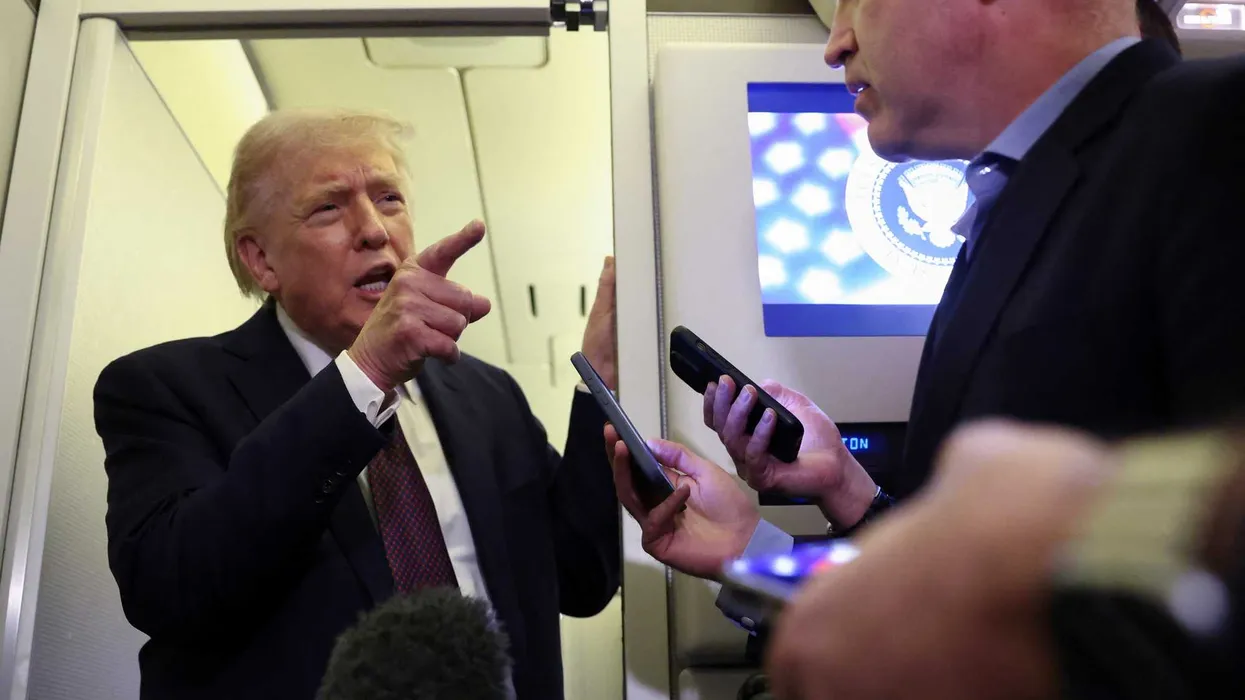
CNN has warned President Donald Trump's administration that it will pursue further legal action unless the White House lifts its ban on the network's news crews covering the president, escalating an ongoing dispute over media access.
Ted Boutrous, an attorney representing CNN in its effort to restore full media access, sent a letter to the Justice Department on Monday detailing the network's intentions if the demand is not met.
"These efforts to retaliate and discriminate against CNN based on the content of its news coverage are mistaken, counterproductive, and unlawful," Boutrous wrote. The demand letter adds that CNN "will be forced to pursue additional judicial relief" if the action continues.
The warning comes as legal matters have escalated since Trump banned CNN, MS NOW and Politico from the White House one month ago. All of the banned outlets sued, citing violations of the First Amendment, which protects freedom of speech and of the press, and the Fifth Amendment, which guarantees due process. Other media organizations, including longtime Trump ally Fox, joined the protest, and U.S. television networks suspended coverage of the president and removed standard audio equipment, leaving viewers unable to hear his press conferences.
A federal judge later ordered access restored, first temporarily and then for a longer period, as the legal battle over the ban continues. The longer-term ruling found that Trump's ban likely violated the First Amendment by unconstitutionally discriminating against a particular viewpoint. The White restored access to the banned outlets under the court orders but has continued to penalize journalists from media organizations it considers adversarial.
Among the measures isolating CNN, the administration has blocked the network's news crews from traveling on Air Force One, which was previously a regular occurrence for the outlet. The administration appears to be relying on an ongoing lawsuit filed by The Associated Press last year after Trump barred its reporters from Air Force One, the Oval Office, and other space-limited areas reserved for the press pool. Trump retaliated against The AP after the news wire did not immediately adopt his new name for the Gulf of Mexico.
According to CNN's report, Trump has answered more than 4,700 questions from reporters in the Oval Office, aboard Air Force One and on airport tarmacs during his second term. By comparison, he has answered only about 150 questions in the White House press briefing room since returning to office in January 2025.
From January through September of this year, Trump appeared in the White House briefing room just four times, compared with 43 press events in the Oval Office and 51 instances of answering questions aboard or near Air Force One. Those figures cut to the heart of the dispute: the overwhelming share of the president's on-record exchanges with reporters now takes place outside the briefing room, in settings where the White House decides which news organizations' crews may be present.
Attention now turns to whether the Justice Department responds to the letter and whether CNN follows through with new court filings, while the ongoing AP case on which the administration's position appears to rest remains another development to watch as the access fight unfolds.

