Why the Clarity Act Could Decide America’s Financial Future: John Deaton Explains the Senate Vote
Key Takeaways
- •The Senate vote concerns advancing debate on the Clarity Act, not final approval of the legislation.
- •The 53 Republican senators reportedly lack enough votes to meet the procedural threshold.
- •The bill may require support from eight to 10 Democratic senators to move forward.
- •The discussion addresses positions attributed to Josh Hawley and Rand Paul.
- •John Deaton says U.S. blockchain regulation still relies on laws dating to the 1930s.
Why the Clarity Act Could Decide America’s Financial Future
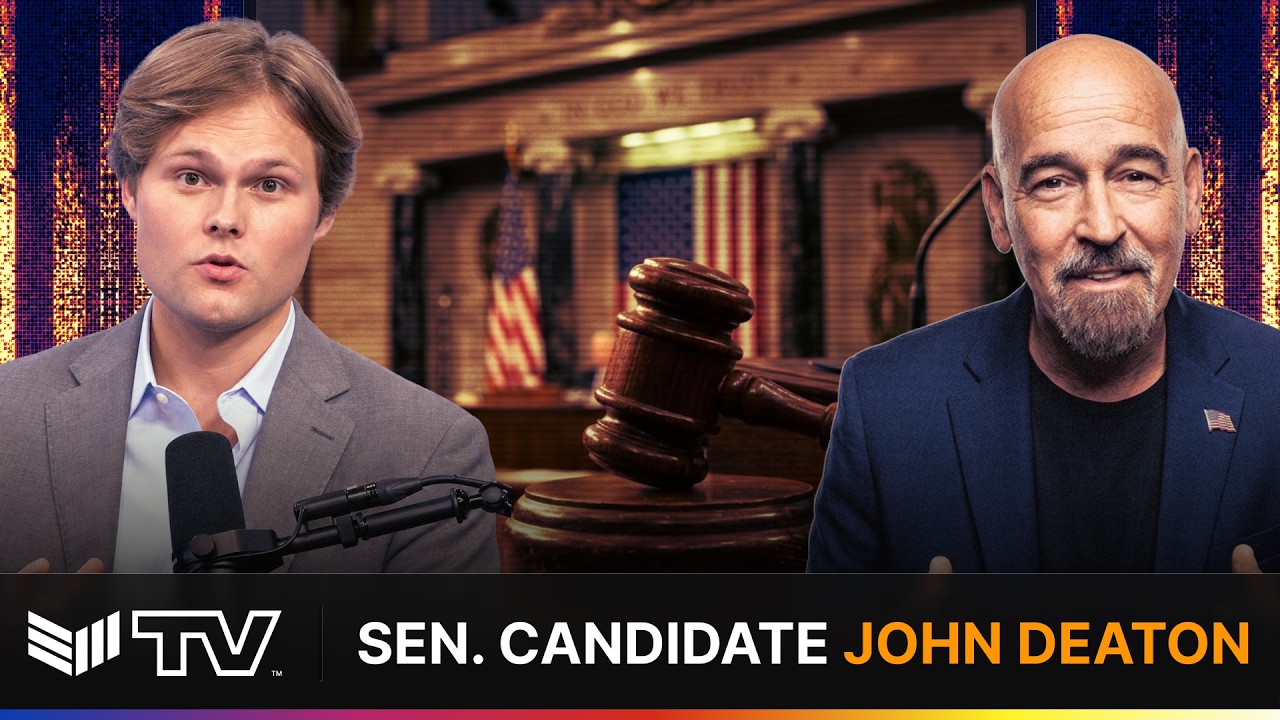
The U.S. Senate is voting today on a procedural step that could determine whether lawmakers even debate the Clarity Act, according to a Bitcoin Magazine video featuring John Deaton, Grace Remington, and Sean Hagan.
Deaton explains that the cloture vote is not a vote to pass the bill itself. Instead, it concerns whether the Senate will move forward with debate. He also discusses why the 53 Republican senators are not enough to reach the required threshold and why the bill may need support from eight to 10 Democrats.
The discussion examines the positions of Josh Hawley and Rand Paul, as well as the potential consequences for American digital asset companies if Congress fails to advance the legislation again. Deaton argues that the United States is still regulating blockchain technology under statutes dating from the 1930s.
The full discussion is available in Bitcoin Magazine’s video. The post first appeared on Bitcoin Magazine and was written by Patrick Green.
Disclaimer: The views and opinions expressed in this show are those of the participants and do not necessarily reflect the official policy or position of BTC Inc., Bitcoin Magazine, or any affiliated entities. This content is provided for informational and educational purposes only and should not be construed as investment, legal, tax, or accounting advice. Nothing contained in this show constitutes a solicitation, recommendation, endorsement, or offer to buy or sell any securities or financial instruments. Viewers should consult their own advisors before making financial or business decisions.

