CIA Director Ratcliffe Quietly Presses Moscow as Midterms Near, Sources Say
Key Takeaways
- •CIA Director John Ratcliffe met with senior Russian intelligence officials in Moscow on Tuesday to discuss the war in Ukraine and the U.S. conflict with Iran.
- •Ratcliffe urged Russia not to attack NATO countries, to end its invasion of Ukraine, and to stop supplying military weapons and aid to Iran.
- •Ratcliffe reaffirmed U.S. commitment to NATO's Article 5, which has been invoked only once, after the September 11, 2001 attacks.
- •Putin did not attend the meeting, leaving Ratcliffe to deliver his appeal to senior Russian intelligence officials instead.
- •Retired Gen. Jack Keane said Iranian leaders may escalate pressure on U.S. fuel and food prices closer to the midterms, believing they hold an upper hand.
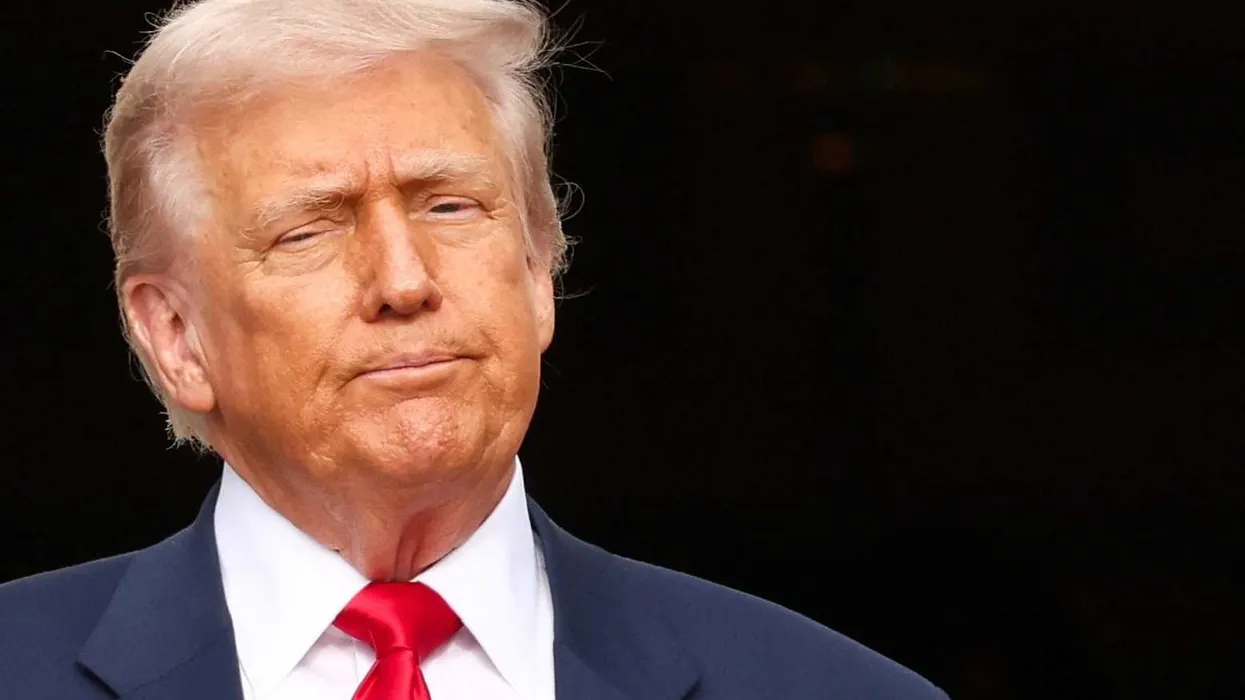
With 70 days to go before the November midterms, President Donald Trump appears to be adopting a quieter approach toward Russia, sources tell MS NOW.
Russian leader Vladimir Putin is making an already difficult midterm race for Trump and Republicans even harder. By escalating his war with Ukraine, Putin is making Trump look weak, according to the report. Putin is also supplying weapons to Iran to help the Iranian military kill U.S. soldiers in Trump's unilateral war on that nation, and Russia is threatening to ratchet up tension with NATO nations.
Trump is known for fiery threats and speeches against his perceived enemies, but CIA Director John Ratcliffe traveled to Moscow on Tuesday to pursue a more low-key tack. The trip reflects a longstanding practice in U.S.-Russia relations: intelligence channels have historically been used for discreet back-channel communication when formal diplomatic talks are stalled or politically sensitive. According to two sources familiar with the matter, Ratcliffe urged Russian officials to do three things: not attack NATO countries, end the invasion of Ukraine, and stop sending military weapons and aid to Iran.
"The sources, who spoke on the condition of anonymity to speak freely about sensitive national security issues, said the meeting was primarily about the war in Ukraine. But they said the U.S. war with Iran was also discussed," MS NOW reports.
One source said Ratcliffe told Russian officials that the United States remains committed to Article 5 of the North Atlantic Treaty, which states that an attack on one member of the North Atlantic Treaty Organization will be considered an attack on all. Article 5 has been invoked only once in the alliance's history, after the September 11, 2001 attacks on the United States, underscoring the weight the pledge carries in deterrence messaging.
However, those same sources say Ratcliffe had to settle for delivering his appeal to senior Russian intelligence officials rather than to Putin himself, who ducked the meeting.
Trump may be raging against the inevitable as the midterms approach. Republicans have previously expressed extreme nervousness about their prospects in the 2026 midterm elections. Midterm cycles historically pose a stiff test for the party holding the White House, and control of Congress in November will shape Trump's ability to advance his agenda in the second half of his term. From Trump's unpopular tariffs and lack of coordination with local candidates to what critics call the failure of his invasion of Iran, the prevailing view is that Trump is so unpopular and difficult to work with that it might hurt Republicans already struggling politically due to the poor economy.
Meanwhile, Trump may be catching on that Iranian leaders are saving their most devastating move for the midterm season by dialing up U.S. fuel and food prices through their hold on several Middle East oil and fertilizer bottlenecks.
"And the reason for that is because [Iranian leaders] believe in their head now that they have something of an upper hand here," retired Gen. Jack Keane told Fox Business Network's Stuart Varney. "I think as we get closer to the midterms, it's likely they will."

