China's Solar Capacity Poised to Surpass Coal This Quarter
Key Takeaways
- •China's installed solar capacity reached 1,274 GW by mid-2026, falling just 1 GW short of coal-fired capacity at 1,275 GW, and is projected to surpass coal within the current quarter.
- •Coal's share of China's electricity output fell below 50% for the first time on record, averaging 49.7% during the first half of 2026.
- •Non-fossil energy generation grew 8.5% year-on-year and accounted for 70.7% of all incremental power generation nationwide in the first six months of 2026.
- •Renewable energy supplied 41.2% of China's total electricity generation in the first half of 2026, with wind and solar together contributing nearly 25%.
- •Despite the declining share of coal in electricity output, China still relies on it for industrial activity and grid reliability, as solar's intermittency means equal installed capacity does not yet yield equivalent electricity delivered.
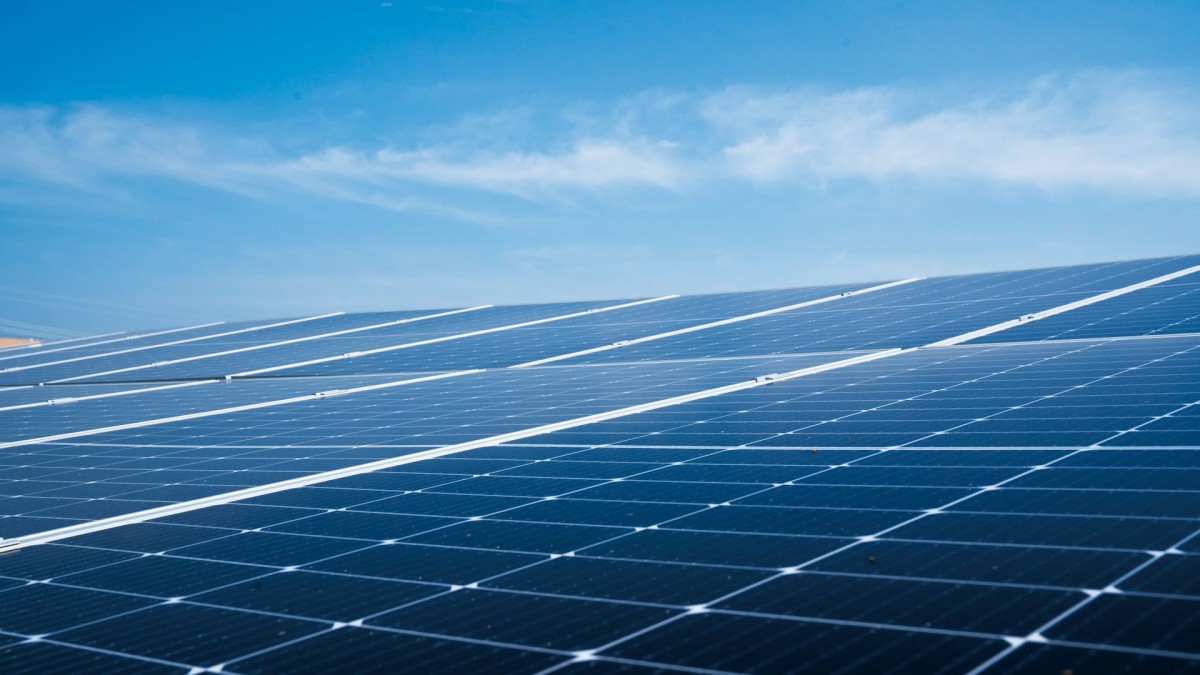
China is on track to have more installed solar power capacity than coal-fired generation capacity as early as the current quarter, according to Chinese authorities.
As of the end of June, China's installed solar power capacity stood at 1,274 gigawatts (GW), narrowly trailing coal-fired installed capacity of 1,275 GW, based on a mid-year report by the China Electricity Council (CEC), as reported by China Daily.
"By the end of June, total solar power capacity had caught up with coal, effectively tying it as the country's largest primary power source," the CEC report stated.
Renewable energy sources have become the leading driver of new power capacity additions in China, the CEC report added. The country is the world's largest producer and consumer of coal and its largest emitter of greenhouse gases, making the pace of its energy transition a critical factor in global climate outcomes. China has pledged to peak carbon emissions before 2030 and achieve carbon neutrality before 2060.
In the first half of 2026, China's total non-fossil energy power generation grew by 8.5% compared with the same period a year earlier, according to Hou Wenjie, director of the statistics and data intelligence department at the CEC. "The incremental growth of non-fossil energy power generation accounted for 70.7 percent of the total incremental power generation nationwide," Hou said.
Separately, official Chinese data released earlier in the week showed that coal's share of China's electricity output fell below 50% for the first time on record during the first half of 2026 — a milestone in the country's policy drive to expand non-fossil power sources. Coal averaged 49.7% of total electricity output in the first half of the year, the data showed on Thursday.
As coal's share declined, electricity generation from renewable energy sources rose by approximately 9% year-on-year, according to figures from China's National Energy Administration (NEA). Renewable energy accounted for 41.2% of China's total electricity generation in the first half of 2026, with wind and solar combined contributing nearly 25% of total power output. The gap between capacity and generation reflects solar's intermittency — solar plants typically generate electricity for fewer hours per year than coal plants operating around the clock — meaning equal installed capacity does not yet translate into equal electricity delivered.
Despite the achievement of reducing coal's share of total generation below 50% for the first time, China continues to rely on coal to power industrial activity and to maintain power grid reliability.
Source: OilPrice.com, reporting on data from the China Electricity Council and China's National Energy Administration, via China Daily.

