China's Detention of Panama-Flagged Ships Eases After Diplomatic Talks
Key Takeaways
- •Chinese port detentions of Panama-flagged vessels fell from 140 in May to 16 in July following bilateral negotiations between Beijing and Panama City.
- •The dispute originated after Panama's Supreme Court ruled CK Hutchison's terminal concessions unconstitutional, leading APM Terminals and MSC's Terminal Investment Limited to be appointed as interim operators.
- •CK Hutchison has launched arbitration proceedings seeking more than $2 billion in damages over the removal of its operating rights at the Balboa and Cristóbal terminals.
- •The United States Federal Maritime Commission accused China of weaponizing port state control inspections, warning of potential disruption to American trade flows.
- •Officials from both nations reached consensus on renewing a maritime transport agreement that provides Panama-registered vessels with port advantages and streamlined procedures in Chinese waters.
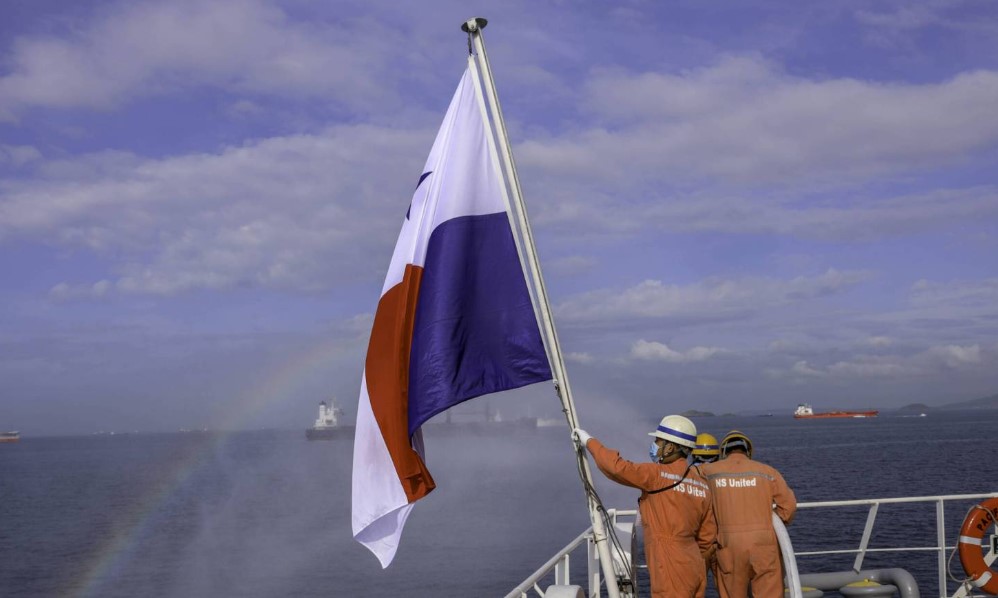
China's detention of Panama-flagged vessels has dropped significantly following diplomatic negotiations between Beijing and Panama City, offering relief to shipowners ensnared in an unusual maritime dispute that connected vessel inspections to the control of two strategic Panama Canal terminals.
According to Panama, Chinese ports detained 16 vessels flying the Panamanian flag in July, a sharp decline from 140 detentions recorded in May. Only 10% of inspections resulted in detention this month, compared with 37% at the peak of the campaign.
The thaw comes after a punishing first half of the year. Asia-Pacific inspection data shows that nearly 500 Panama-flagged ships have been detained in Chinese ports since January. Between March and June alone, there were 431 detentions — more than four times the figure from the same period a year earlier.
The crackdown began after Panama removed Panama Ports Company, a subsidiary of Hong Kong-based CK Hutchison, from operating the Balboa and Cristóbal terminals situated at the Pacific and Atlantic entrances to the Panama Canal respectively. CK Hutchison had held these concessions since 1997, making the removal a significant rupture in a long-standing commercial arrangement at one of the world's most critical trade chokepoints. Panama's Supreme Court ruled the concessions unconstitutional. APM Terminals and MSC's Terminal Investment Limited were subsequently appointed as interim operators. CK Hutchison has initiated arbitration proceedings seeking damages in excess of $2 billion.
China has consistently maintained that the detentions were carried out on the basis of legitimate safety deficiencies identified during port state control inspections — the routine safety checks that coastal states are empowered to conduct on foreign-flagged vessels under international maritime conventions. The United States, however, has offered a starkly different interpretation. The Federal Maritime Commission described the inspections as the "weaponisation" of port state control, warning that they could disrupt American trade flows and establish a dangerous precedent for the maritime industry.
The commercial fallout has extended well beyond delayed port calls. The Panama Registry is the world's largest ship registry by vessel count, meaning that even a partial exodus of vessels carries broad implications for global shipping capacity and flag-state oversight. Hundreds of vessels are believed to have departed the Panama ship registry amid the dispute, while owners whose fleets frequently call at Chinese ports have faced a difficult calculus: absorb the cost of reflagging to another jurisdiction or accept the ongoing risk of repeated, stringent inspections.
Officials from both nations have now reached a consensus on renewing their maritime transport agreement, which grants Panamanian-registered vessels port advantages and streamlined procedural treatment in Chinese waters.

