Charles Edwards: Why Quantum Risk Could Be a Massive Bitcoin Upside Catalyst
Key Takeaways
- •Charles Edwards, founder of Capriole Investments, identified quantum computing progress, Federal Reserve policy changes, U.S. government Bitcoin purchases, or a stimulus event as potential catalysts needed for Bitcoin to set new all-time highs.
- •Edwards believes institutional purchases through exchange-traded funds are keeping Bitcoin's market backdrop strong.
- •He argued that a credible quantum computing development roadmap could serve as an upside catalyst, even though sufficiently advanced quantum machines could theoretically break the elliptic-curve signatures securing bitcoin holdings.
- •The interview revisited Edwards' valuation frameworks—production cost, the Bitcoin Energy Value model, and MVRV—along with the Hash Ribbons hash rate signal and whether the current hash rate cycle behaves differently in the AI era.
- •U.S. spot Bitcoin ETFs began trading in January 2024 after regulatory approval, creating a regulated channel through which institutional capital can gain direct exposure to bitcoin.
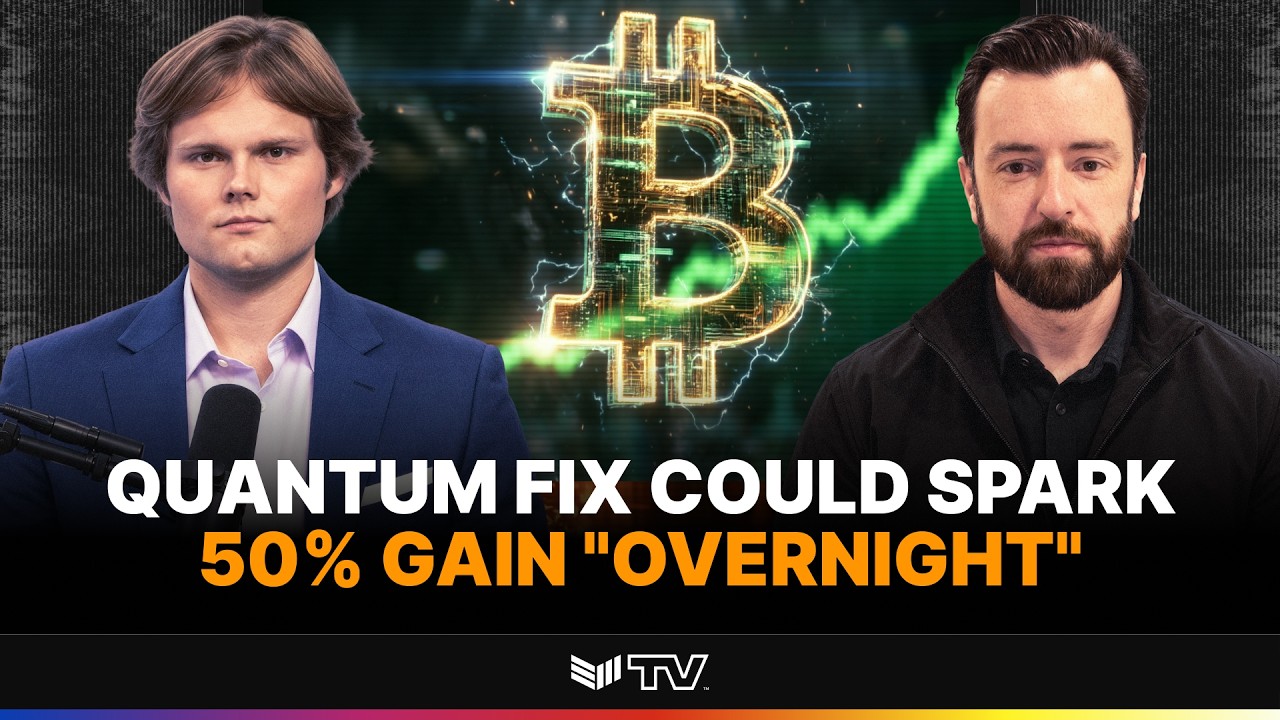
Bitcoin needs something substantial to happen before it can break to new all-time highs, according to Charles Edwards — whether that is real progress on quantum computing, a shift in Federal Reserve policy, the U.S. government buying Bitcoin, or a stimulus event. At the same time, Edwards sees institutional buying through exchange-traded funds (ETFs) as a force keeping the market backdrop strong.
Edwards, the founder of digital asset fund Capriole Investments and the creator of widely followed on-chain metrics such as Hash Ribbons and the Bitcoin Energy Value model, laid out the assessment in a new Bitcoin Magazine interview: Charles Edwards: Why Quantum Risk Could Be MASSIVE BTC Upside Catalyst, published October 15, 2026.
The conversation opens with rates, liquidity and Bitcoin's broader market outlook before moving through the following segments:
- 0:00 – Charles Edwards on rates, liquidity and Bitcoin's market outlook
- 1:36 – ETFs vs. treasury companies: Who's driving Bitcoin buying?
- 2:54 – How AI-driven unemployment could change the Fed and Bitcoin
- 4:01 – Hash Ribbons: Why rising hash rate is a bullish signal
- 6:13 – Is this hash rate cycle different with AI?
- 8:14 – Is Bitcoin still undervalued? Production cost, energy value and MVRV
- 10:37 – Global liquidity, 5% rates and Bitcoin's uncharted territory
- 14:50 – Quantum computing: Why a roadmap could be an upside catalyst
- 17:21 – Can AI break Bitcoin? Superintelligence and encryption risk
- 19:15 – What could trigger Bitcoin's next all-time high
The ETF segment contrasts fund flows with purchases by bitcoin treasury companies — firms that hold bitcoin on their corporate balance sheets — weighing which cohort is currently driving accumulation. U.S. spot Bitcoin ETFs began trading in January 2024 after regulatory approval, opening a regulated channel through which institutional capital can gain direct exposure to bitcoin.
On quantum computing, Edwards argues a credible development roadmap could function as an upside catalyst for bitcoin. Quantum risk has become a recurring topic in the industry because sufficiently advanced quantum machines could in theory break the cryptographic signatures that secure bitcoin holdings. Those signatures currently rely on elliptic-curve cryptography, and a shift to quantum-resistant alternatives would involve coordinated changes across the network — context that helps explain why credible development timelines draw attention across the industry.
The interview also revisits Edwards' valuation frameworks — production cost, the Bitcoin Energy Value model, which ties valuation to the energy that goes into bitcoin mining, and MVRV, a metric that compares bitcoin's market value to the value of coins at the price they last moved on-chain — along with the Hash Ribbons hash rate signal, which tracks bitcoin's mining hash rate, and whether the current hash rate cycle behaves differently in the AI era. Later segments examine global liquidity and 5% interest rates, the question of whether superintelligence could break encryption, and what might ultimately trigger Bitcoin's next all-time high.
DISCLAIMER: The views and opinions expressed in this show are those of the participants and do not necessarily reflect the official policy or position of BTC Inc., Bitcoin Magazine, or any affiliated entities. This content is provided for informational and educational purposes only and should not be construed as investment, legal, tax, or accounting advice. Nothing contained in this show constitutes a solicitation, recommendation, endorsement, or offer to buy or sell any securities or financial instruments. Viewers should consult their own advisors before making financial or business decisions.
This post, Charles Edwards: Why Quantum Risk Could Be MASSIVE BTC Upside Catalyst, first appeared on Bitcoin Magazine and is written by Patrick Green.

