CFTC's New Innovation Advisory Committee Opens With Debate Over Prediction Market Rules
Key Takeaways
- •The CFTC's newly established Innovation Advisory Committee held its first meeting with prediction markets as its top agenda item, debating whether current rules sufficiently guard against manipulation and insider trading.
- •More than 30 members participated in the session, including executives from CME Group, Nasdaq, and Robinhood, as well as Polymarket founder Shayne Coplan and Kalshi co-founder Luana Lopes Lara.
- •The self-certification process divided participants, with CME's Terry Duffy warning it has let thousands of contracts reach markets with insufficient scrutiny while Lara argued prediction markets require speed for fast-moving events.
- •Robinhood CEO Vlad Tenev said the CFTC should closely examine 'mention markets,' which speculate on whether public figures will say particular words, rather than imposing an outright ban.
- •Selig presented a three-step agenda covering which event contracts can be prohibited, updated reporting requirements, and stronger listing and consumer protection rules, with any changes subject to the CFTC's public rulemaking process.
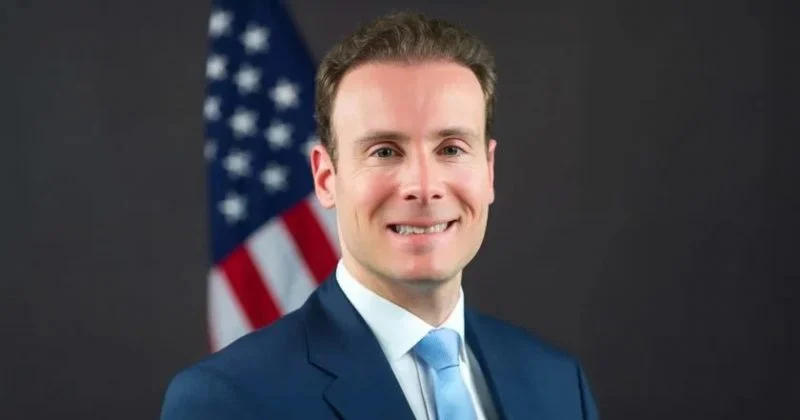
The Commodity Futures Trading Commission's newly established Innovation Advisory Committee held its first meeting with prediction markets at the top of the agenda, as regulators and industry executives debated whether existing rules adequately protect the markets against manipulation and insider trading.
The CFTC is the primary US federal regulator of derivatives markets, and event contracts offered by prediction market platforms fall under its jurisdiction. The contracts allow traders to take positions on the outcomes of real-world events, a sector that has expanded rapidly as retail platforms have added them. Election markets drew heavy trading volumes during the 2024 US presidential race, and offerings have since broadened to sports, economics, and pop-culture outcomes — growth that helps explain why the committee's first agenda centered on whether rules written for conventional derivatives fit contracts that settle on real-world events.
More than 30 members took part in the session, including executives from CME Group, Nasdaq, and Robinhood, along with Polymarket founder Shayne Coplan and Kalshi co-founder Luana Lopes Lara.
A central point of contention was the self-certification process, which allows platforms to propose and list event contracts without obtaining advance approval from the CFTC. Self-certification has long been a standard pathway for CFTC-regulated exchanges to roll out new futures and options products quickly, but its application to event contracts tied to real-world outcomes has drawn sharper scrutiny. CME's Terry Duffy said the process has enabled thousands of contracts to reach markets without sufficient regulatory scrutiny and could expose platforms to manipulation. Lara defended self-certification, arguing that prediction markets need to move quickly when contracts relate to fast-moving events.
Members also examined "mention markets," which allow traders to speculate on whether particular words or statements will be made by public figures. Such contracts drew wide attention in 2025 as platforms listed markets tied to whether specific words would be spoken in settings such as presidential addresses. Robinhood CEO Vlad Tenev said the CFTC should examine those markets closely rather than pursue an outright ban.
Selig laid out a three-step regulatory agenda that includes clarifying which event contracts can be prohibited, updating reporting requirements, and strengthening rules around contract listings and consumer protections. Advisory committees inform the commission but do not bind it, and any resulting rule changes would still move through the CFTC's public rulemaking process.
