Cascador Selects 10 Nigerian Startups for 2026 ScaleUp Programme
Key Takeaways
- •Cascador chose 10 Nigerian growth-stage companies for its 2026 ScaleUp Programme from a record applicant pool exceeding 1,000 applications.
- •The 12-week programme offers mentorship, leadership training, and eligibility for follow-on funding through a Catalytic Fund deploying up to $5 million annually in local-currency debt, equity and guarantees with Sterling Bank.
- •Women lead 60% of the 2026 cohort, and the founders span five of Nigeria's six regions.
- •The cohort's sector spread — including clean energy, cold-chain logistics, healthcare and food production — signals Nigerian entrepreneurship expanding beyond the fintech focus that has historically dominated venture funding.
- •Since 2019, Cascador has supported more than 70 ventures that have collectively raised over $125 million in capital.
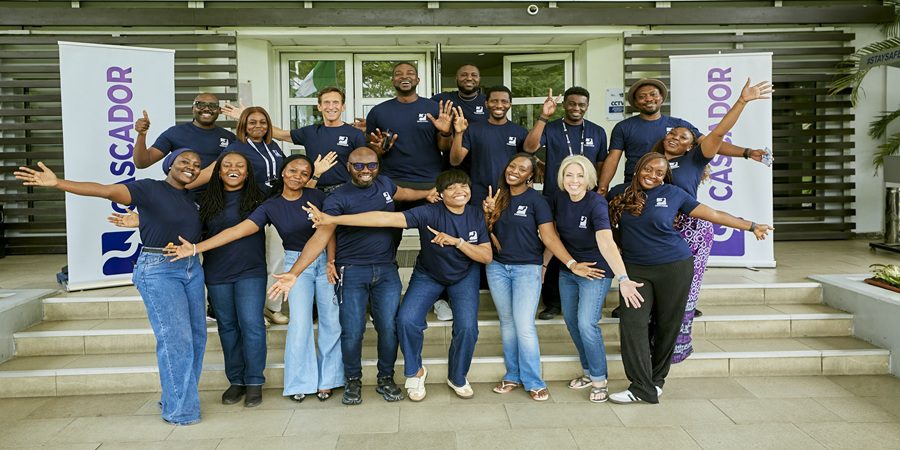
Cascador has picked 10 Nigerian growth-stage companies for its 2026 ScaleUp Programme, drawing them from a pool of more than 1,000 applications for the 12-week accelerator, which kicked off this week.
The selected companies are Venco, SunFi, ColdHubs, EHA Clinics, Beauty Hut Africa, BEYOND Fitness, Ziba Beach Resort, Tulay Africa, Maanj Agric and Finger Chops. Together they span proptech, clean energy, healthcare, beauty, wellness, tourism, minerals and food production.
The cohort's sector mix points to where Nigerian entrepreneurship is expanding beyond fintech, which has historically drawn the bulk of venture funding on the continent, toward infrastructure-linked sectors such as energy access, cold-chain logistics and food production. Local-currency financing tools like Cascador's fund also address a persistent challenge for African founders, who often raise in dollars while earning revenue in naira.
What Cascador offers the 2026 cohort
Founders in the programme will receive one-on-one support from investors and international experts, together with leadership and strategy training. They will also be eligible for follow-on funding through Cascador's Catalytic Fund, which deploys up to $5 million annually in growth capital via local-currency debt, equity and guarantees, in partnership with Sterling Bank.
The 12-week programme combines two weeks of in-person sessions — including a kickoff and pitch week — with 10 weeks of virtual sessions for founders and their leadership teams. It concludes with a Live Pitch Day, where founders will compete for a share of $50,000 in prizes.
Women lead 60% of this year's cohort, and the founders come from five of Nigeria's six regions, according to Cascador — a geographic and gender spread that stands out in a startup ecosystem where funding has typically concentrated in Lagos and among male-led ventures.
For Venco, the backing is about extending reach beyond Nigeria's borders. "We're incredibly proud to be part of Cascador's 2026 ScaleUp Program," said Chude Osiegbu, chief executive and co-founder of the proptech platform. "Our goal is to bring our secure and efficient technology platform to more communities across new cities and countries."
Cascador frames the cohort as evidence of Nigeria's real economy maturing. "The founders in our 2026 ScaleUp program reflect the ambition, resilience and entrepreneurial talent driving Nigeria's economy forward," said chief executive Trish Thomas. Their businesses, she said, are "already creating jobs, generating value and spurring growth across some of the country's most important sectors."
Finger Chops' inclusion traces a longer arc, from a catering business to a bakery supplying households, retailers and institutions.
"Being selected for Cascador's 2026 ScaleUp Program brings us closer to making that vision a reality," said chief executive Adenike (Oyebola) Fetuga, referring to plans to build "a leading African food manufacturing company rooted in quality, locally sourced products and operational excellence."
Since 2019, Cascador has supported more than 70 ventures, which have collectively raised over $125 million in capital. In 2025 alone, the platform's alumni delivered products and services to more than 1.7 million customers. The coming months will show whether this year's cohort — selected from a record applicant pool of more than 1,000 — can convert that support into comparable outcomes.

