Canada Suspends Trade Talks With US, Sets September 8 Retaliatory Measures in Response to 50% Tariff
Key Takeaways
- •The United States imposed a 50% tariff on roughly $28 billion of Canadian exports, which helped trigger the breakdown in talks.
- •Canada will introduce retaliatory tariffs on US goods starting September 8 and will also provide targeted financial support to affected industries.
- •Ottawa’s support package includes a $5 billion fund for businesses hit by the tariffs and $80 million for Atlantic Canada.
- •The trade dispute comes after a year of escalating US tariff actions, including earlier 25% duties and higher steel and aluminum tariffs.
- •The negotiations were intended to reset the USMCA trade relationship ahead of the agreement’s scheduled 2026 joint review.
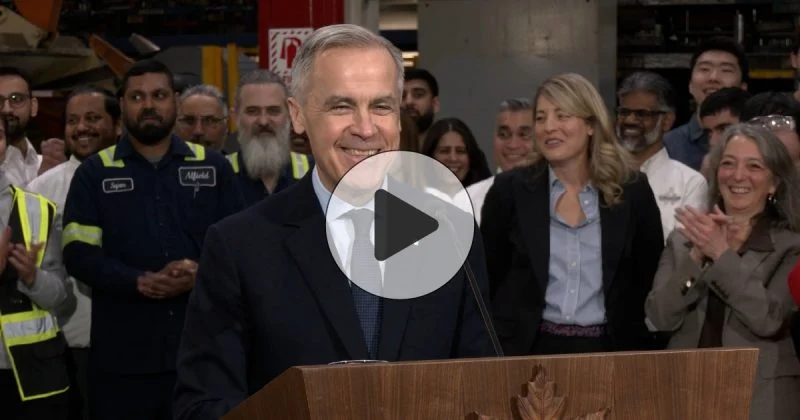
Canada and the United States are locked in their most contentious trade dispute in recent memory, and it escalated further this week. Prime Minister Mark Carney has suspended trade negotiations with Washington and unveiled a package of retaliatory measures that will take effect on September 8.
The trigger was a 50% US tariff on roughly $28 billion worth of Canadian exports, which went into effect around August 21. Carney described the last-minute demands from US negotiators as unfair, and rather than continuing to talk, Canada walked away from the table.
The talks had been aimed at resetting a relationship governed by the United States-Mexico-Canada Agreement, the pact that replaced NAFTA in 2020 and is scheduled for a joint review in 2026. The breakdown follows a year of layered US tariff actions, including broad 25% duties on Canadian imports in March - later exempted for USMCA-compliant goods - and steel and aluminum tariffs that were doubled to 50% in June.
What Canada Is Doing
The September 8 package is a two-pronged response. On the offensive side, Canada plans to impose equivalent tariffs on US goods, matching the impact dollar for dollar. On the defensive side, Ottawa is rolling out targeted support for industries caught in the crossfire.
That support includes a $5 billion fund aimed at businesses directly impacted by the tariffs. Sectors such as dairy, alcohol, and automotive are expected to be the primary beneficiaries, given their heavy exposure to cross-border trade.
Atlantic Canada is set to receive $80 million in dedicated regional funding.
Canada had rolled back some of its existing 25% retaliatory tariffs on US goods effective September 1, a move that appeared conciliatory at the time. One week later, the new measures kick in.
How Negotiations Fell Apart
Carney placed the blame squarely on Washington's negotiating posture. According to the Prime Minister, the US introduced demands at the last minute that were fundamentally unacceptable. Rather than capitulate, Canada chose confrontation.
For Carney, who took office in March 2025 after serving as governor of both the Bank of Canada and the Bank of England, renegotiating the trading relationship with Washington had been a defining priority of his premiership.
US-Canada trade relations have been marked by periodic flare-ups for years, with tariffs on steel and aluminum serving as recurring friction points. Dairy has been another chronic irritant, with Washington long critical of Canada's supply-managed system of production quotas and high tariff walls.
Market Implications and What to Watch
The immediate concern is volatility in sectors with heavy cross-border exposure. Canadian dairy producers, automakers, and alcohol exporters face direct margin pressure from the US tariffs. Their American counterparts selling into Canada will feel the same squeeze once retaliatory duties land on September 8. The exposure is outsized on Canada's side: the United States takes roughly three-quarters of Canadian goods exports, and two-way goods trade topped $700 billion last year.
Automotive supply chains are particularly vulnerable. Parts cross the US-Canada border multiple times during assembly, and each crossing now potentially triggers tariff costs.
The next markers are the detailed tariff lists that will define the scope of September 8's countermeasures, and whether either side returns to the table ahead of USMCA's scheduled 2026 review, a fixed deadline that now frames any resumption of talks.
