Government Faces Pressure to Withhold Nearly £1bn British Steel Debt Repayment to Jingye
Key Takeaways
- •British Steel owed nearly £1bn to entities connected to its former owner Jingye Steel prior to nationalisation, according to the company's 2024 accounts.
- •The UK government has already provided £555m in funding to British Steel since taking it into public ownership through emergency legislation passed in July.
- •Reform UK business spokesman Richard Tice is calling on ministers to compel Jingye to accept a full write-down of its debt rather than receive repayment.
- •No compensation has been paid to Jingye to date, with an independent valuer tasked with determining any payout and a governing framework expected later this year.
- •British Steel's Scunthorpe plant, which employs over 2,700 people, is home to Britain's last remaining operational blast furnace for primary steel production.
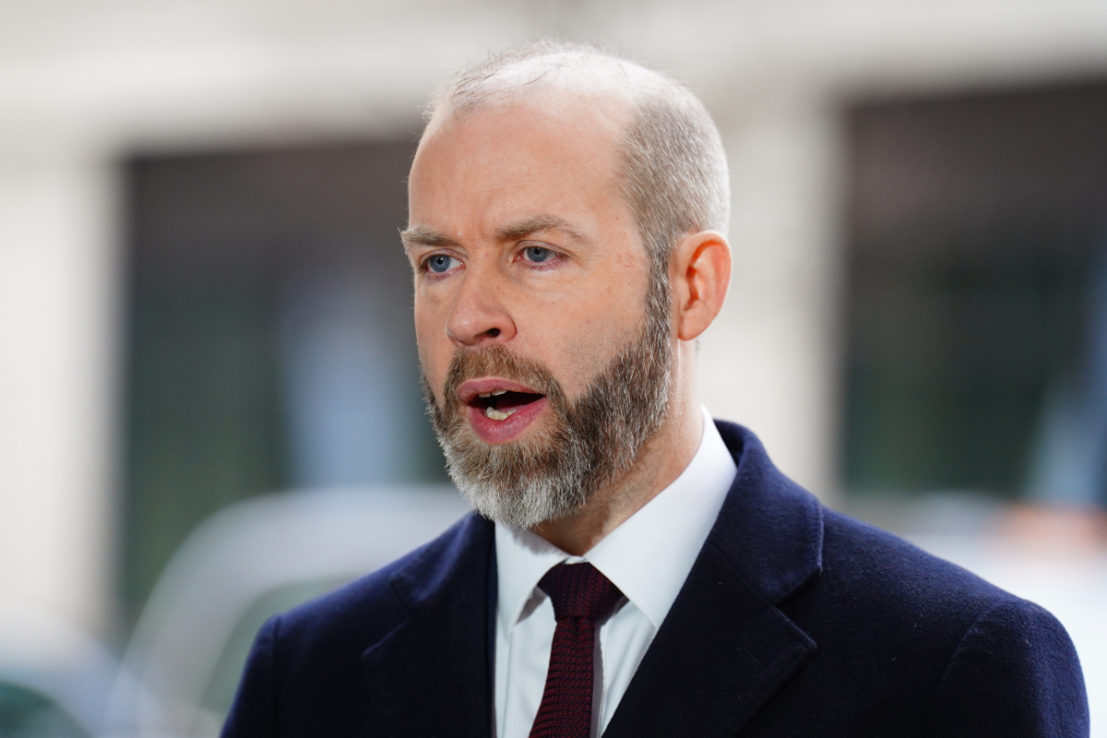
Business Secretary Jonathan Reynolds is facing calls to refuse repayment of nearly £1bn in loans owed to the Chinese former owners of British Steel following the company's nationalisation earlier this year. The decision carries weight for a sector that underpins UK construction, automotive manufacturing, and defence supply chains.
According to British Steel's 2024 accounts filed last week, the company owed just under £1bn to entities connected to its former owner, Jingye Steel, before being brought into public ownership through an emergency deal. Jingye had acquired British Steel in 2020 after the company collapsed under its previous owner, Greybull Capital, and pledged substantial investment in the years that followed.
Reform UK business spokesman Richard Tice, who supported the government's decision to take over operations at the Scunthorpe-based steelmaker, urged ministers to hold firm. "Taxpayers should not be rewarding Jingye for their failed ownership of British Steel," Tice said. "They will already be saddled with billions of pounds worth of investment that will be needed to rebuild the blast furnaces."
Breakdown of the debt
The near-£1bn figure comprises approximately £500m owed to Jingye, the overall parent group that previously owned British Steel. Two further Chinese companies — Power Rich Resources and Hebei Jingye Cut Deal Co., both subsidiaries of Jingye — were owed an additional $410m in 2024. A separate £50m was owed to Secure Trust Bank.
The company's accounts indicated that British Steel required hundreds of millions of pounds in additional funding. The government has already provided £555m to the business. City AM reported in June last year, citing the Office for National Statistics, that British Steel would cost the taxpayer approximately £900m per year.
Nationalisation and jobs at stake
The government's intervention occurred within the first year of Labour being in power. The move followed prolonged negotiations that raised concerns the plant's closure — home to Britain's last remaining blast furnace — would threaten more than 2,700 jobs. The closure of Tata Steel's blast furnaces at Port Talbot in 2024 had already removed a major domestic source of primary steelmaking, intensifying concerns about Britain's capacity to produce steel from raw materials. Parliament passed legislation enabling the full nationalisation of British Steel in July.
Steel 'compensation' framework being drafted
Tice, who is currently facing a parliamentary investigation, argued that Jingye should be compelled to accept a full write-down of its debt and "be grateful to get away so lightly" for leaving taxpayers with the resulting liabilities.
It is understood that no compensation has been paid to date, and a framework governing any potential payout is expected to be drafted later this year. The outcome comes as the UK steel industry faces pressure from high domestic energy costs, cheap international imports, and the multibillion-pound investment required to transition blast furnace operations to lower-carbon electric arc furnaces.
A government spokesperson said: "After assessing the impact on our economy, critical national infrastructure, and national security, we concluded that public ownership was the best way to secure British Steel's future and protect the future of UK steel production."
"An independent valuer would determine what, if any, is payable to Jingye, and our focus is now on stabilising the business, backing the communities that rely on it and building a sustainable, competitive and decarbonised steel sector for the years ahead."
