Blanche Attorney General Confirmation in Jeopardy as GOP Senator Murkowski Announces Opposition
Key Takeaways
- •Lisa Murkowski became the second Republican senator to announce opposition to Todd Blanche’s attorney general nomination.
- •Murkowski cited concerns about Epstein-related files, Trump’s tax immunity arrangement, and the proposed $1.8 billion fund.
- •Blanche’s confirmation depends on a single undecided Republican senator because the GOP can afford no more than two defections if Democrats vote no.
- •Blanche previously served as Trump’s criminal defense lawyer and is currently leading the Justice Department in an acting capacity.
- •The Senate Judiciary Committee advanced the nomination only after Blanche rescinded the proposed "Anti-Weaponization Fund" and the Justice Department narrowed the tax agreement in writing.
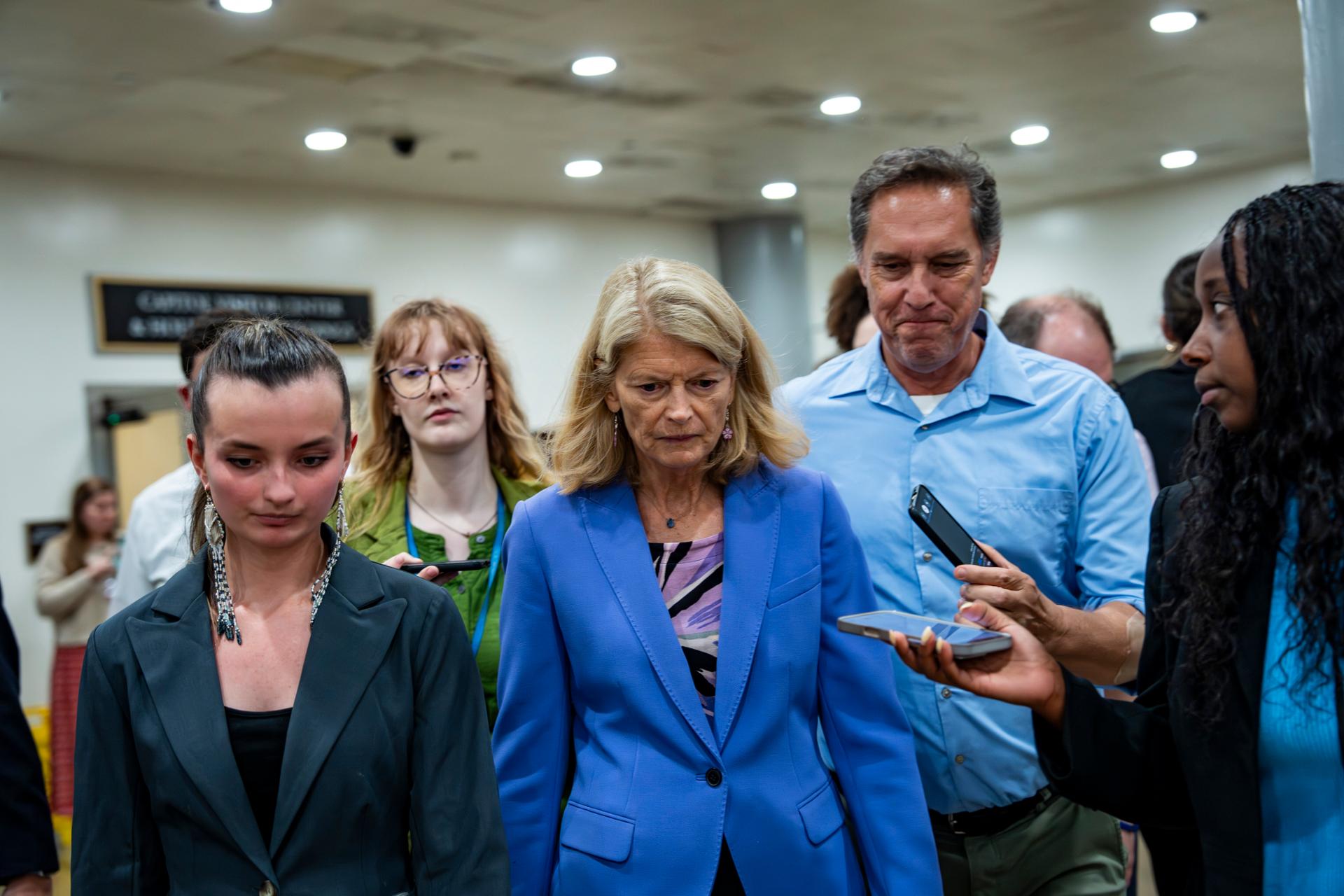
Republican Senator Lisa Murkowski announced Friday that she will oppose Todd Blanche's nomination as attorney general, further narrowing the confirmation path for U.S. President Donald Trump's choice to lead the Justice Department.
The Alaska senator joins GOP Senator Susan Collins of Maine in voting against Blanche. Murkowski cited several concerns, including the Justice Department's handling of files tied to disgraced financier Jeffrey Epstein, a broad tax audit immunity arrangement benefiting Trump, and a proposed $1.8 billion fund intended to compensate the Republican president's allies.
"The country needs an Attorney General who will check the worst impulses of this administration," Murkowski said in a statement. "I hope Mr. Blanche is able to achieve that, if confirmed, but I simply do not have confidence that will be the case."
Murkowski's decision adds new uncertainty to a nomination already strained by a settlement in Trump's lawsuit against the Internal Revenue Service over his leaked tax returns. With Senator Mitch McConnell of Kentucky absent from Senate sessions, Blanche can lose no more than two Republican votes if all Democrats oppose him. Another pivotal Republican — Senator Bill Cassidy of Louisiana, who lost his primary after Trump backed his opponent — has not disclosed how he intends to vote. The nomination therefore hinges on a single undecided senator, underscoring how narrowly divided the Senate remains and how even one defection can determine the leadership of a department central to federal law enforcement.
Blanche, who formerly served as Trump's criminal defense attorney, joined the department last year as deputy attorney general and was elevated to the top role in an acting capacity following Pam Bondi's dismissal in April. The transition from personal counsel to attorney general has drawn scrutiny from legal ethics observers, who note the tension between the Justice Department's traditional independence and a nominee's prior loyalty to the president as a client. Although he could continue leading the department as either acting attorney general or deputy attorney general, a failed nomination would represent a significant political setback for the Trump administration and would leave the department's permanent leadership unresolved.
Lawmakers from both parties have voiced serious reservations about the settlement, which envisioned establishing a $1.8 billion fund to compensate individuals who believe they were mistreated by the criminal justice system. The agreement also granted Trump and his family members immunity from tax audits.
Murkowski expressed concern that the administration could still move forward with the proposed "Anti-Weaponization Fund" despite assurances that it has been abandoned. She noted that the Senate's leverage over the fund exists solely because Blanche's nomination remains pending.
"Once we vote, that will end, and there is no telling what the future holds," she said.
The Senate Judiciary Committee advanced Blanche's nomination only after a deal was struck last weekend with two other Republican senators — John Cornyn of Texas and Thom Tillis of North Carolina — who had threatened to block the confirmation over elements of the settlement.
Under that agreement, Blanche formally rescinded the "Anti-Weaponization Fund," writing in an order that "there is no Fund." The Justice Department also clarified in writing that the tax audit immunity provision applies only to claims open at the time of the settlement and does not shield Trump from scrutiny of future tax filings. Additionally, the clarification affirmed that only the parties to the lawsuit — Trump, two of his sons, and the Trump Organization — are covered by the tax agreement.
Democrats contend that Blanche's order does not prevent the administration from reinstating the fund after his confirmation and have pushed for legislation to permanently prohibit it. Trump has repeatedly defended the fund and warned that he will advance it if Republicans decline to support Blanche's nomination.
Members of Congress and legal experts have also questioned the legality of the tax protections afforded to Trump. A federal judge who presided over the IRS case characterized Trump's lawsuit as an improper exercise in self-dealing. On Thursday, the union representing IRS workers asked another judge to block the immunity agreement. The pending court challenge, along with Democratic legislative efforts, means the settlement's fate may ultimately be decided outside the confirmation process even after the Senate votes.

