Bolt launches Bolt Plus in Kenya with KES 899 annual plan that undercuts Uber One and Glovo Prime
Key Takeaways
- •Bolt introduced its Bolt Plus membership in Kenya on 15 October, charging KES 280 ($2.16) monthly, with a free first month, an introductory KES 119 ($0.92) rate for the first six months, and an annual option of KES 899 ($7).
- •The annual figure, which Bolt confirmed as accurate, costs less than a third of Uber One's KES 2,800 ($22) yearly fee and works out to roughly KES 75 ($0.58) per month.
- •Subscribers receive ride cashback, complimentary delivery on qualifying food and retail orders, priority driver matching, quicker food delivery, and three cost-free ride cancellations each month.
- •The announcement leaves key details unclear, citing 10% cashback in one place and 5-10% elsewhere, and does not explain what happens to accumulated credit on cancellation, how priority matching affects drivers, or what renewals will cost.
- •Bolt Plus competes with Uber One, available in Kenya since March 2025 at KES 280 ($2) monthly, and Glovo Prime, which charges KES 400 ($3) monthly for delivery-only benefits.
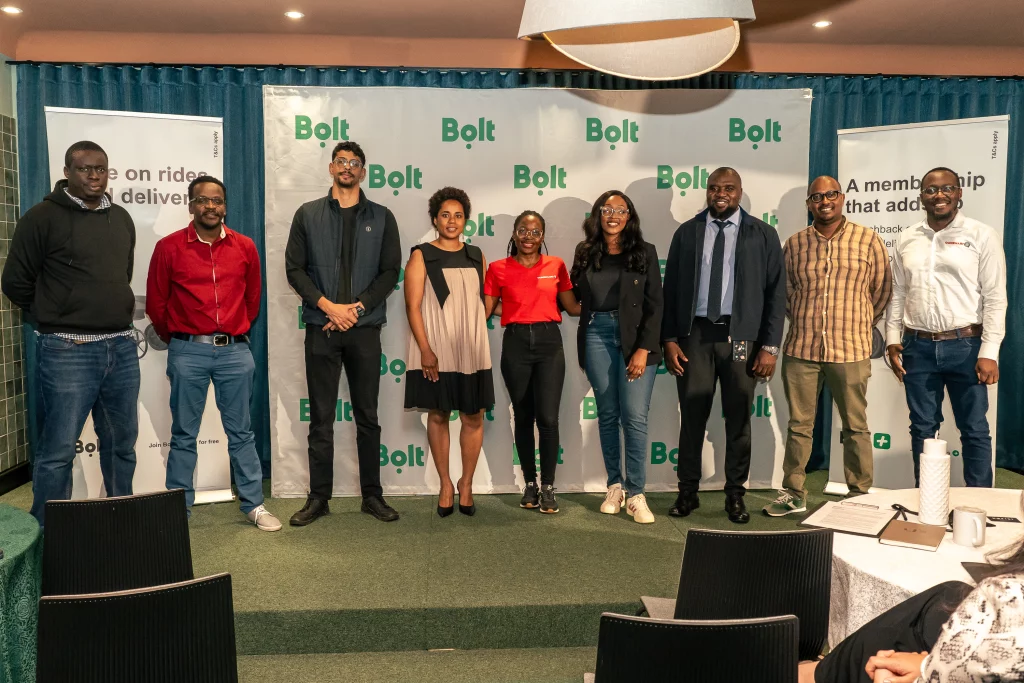
Bolt, the global ride-hailing and food delivery company, launched a paid membership called Bolt Plus in Kenya on 15 October. Aimed at frequent users, the service offers cashback on rides, free delivery on eligible food and retail orders, priority driver matching, faster food delivery and three free ride cancellations a month, priced at KES 280 ($2.16) per month with the first month free. Bolt operates in nine Kenyan cities.
The more unusual figure is the yearly price of KES 899 ($7), which works out to roughly KES 75 ($0.58) per month and sits well below the monthly rate, even under the KES 119 ($0.92) introductory price on offer for the first six months. The discount is steep enough to look like a mistake. Asked to confirm it, Bolt said the figure was correct and offered no explanation beyond wanting people “to consider the yearly subscription for better value”.
Bolt Plus enters a market where two rivals already sell memberships. Uber One, which Uber launched in Kenya in March 2025 after a pilot the previous November, covers rides, food and groceries and costs KES 280 ($2) a month or KES 2,800 ($22) a year, while Glovo Prime connects customers with restaurants, supermarkets and shops for KES 400 ($3) a month, delivery only.
Read alongside the free first month and the introductory rate, the pricing suggests Bolt cares more about securing a long-term commitment than about the fee itself. The strategy clearly appeals to customers, but it also creates trade-offs that the company’s announcement does not address.
Why the annual price makes sense
Annual plans generally favour the seller because the money arrives up front. A customer who has already paid for the year has little reason to try rival apps, so a discount deep enough to win that commitment can pay for itself in loyalty — and at KES 899 ($6.92), Bolt’s yearly plan costs less than a third of Uber One’s.
The bundle adds a second layer to the logic. Glovo Prime must recoup its fee on food and grocery orders alone: it offers unlimited free delivery at participating outlets, with an average saving Glovo puts at KES 150 ($1.15) per order. By contrast, Bolt Plus and Uber One combine rides and delivery, giving members two reasons to open the same app and the company two chances to recoup the cost of the discount. A customer who takes a ride to work and orders lunch through the same app is plausibly worth more than one who uses it for only one of the two.
Bolt also competes on service as well as price, adding priority driver matching, faster food delivery and free ride cancellations — extras that do not appear among the benefits Uber lists on its Kenya page.
The entry price also keeps risk low for riders. At about KES 75 ($0.58) a month, a regular user would not need to spend much on trips for the cashback to cover the fee. A single food order earning the maximum free-delivery saving of KES 200 ($1.54) would repay nearly three months of it.
Where the benefits get harder to value
The size of the cashback is the first thing to down. Bolt’s announcement promises 10% on every ride in its opening paragraph and in a company statement, yet lists “5-10%” in its benefits section. Uber’s scheme is tiered, with 10% in credits on premium rides and 5% on economy rides. If Bolt follows a similar pattern, riders who stick to cheaper trips would earn about half as much as the headline suggests, making it harder to recoup the annual fee. The announcement does not say which rate applies.
Bolt Plus cashback stays in the app for future trips, tying its value to continued use — much like Uber’s credits, which are limited to eligible rides and orders. Bolt’s announcement does not say what happens to a balance a member cancels, a key detail for anyone who builds up credit and then wants out.
Priority matching carries its own trade-off: faster matching for members during busy periods means other riders wait longer, and the announcement says nothing about how the scheme affects drivers’ earnings.
Free delivery is also more conditional than the headline suggests. It applies only at outlets marked with a “+” and to orders within qualifying value ranges, with savings of “up to” KES 200 ($1.54) per order. Uber One, for its part, imposes a KES 600 ($4.62) minimum at participating restaurants and non-grocery stores. Each scheme’s practical value therefore depends on what a customer orders and how often.
A subscription of this kind rewards habits more than it creates them. The customers most likely to benefit are those who already use Bolt several times a month for both rides and food. At this price, the plan may end up subsidising customers who would have stayed anyway. A rider who checks several apps before booking, or orders from whichever platform has the better offer, will rarely spend enough with Bolt for the cashback to matter — and Bolt is betting its price is low enough to change that habit.
Bolt has not said whether KES 899 ($7) is a launch price or a standing price, or what a renewal will cost. At roughly KES 75 ($0.58) a month, customers risk little by signing up. What remains unexplained is Bolt’s economics, which leaves the annual plan looking more like a bet on habit than on margin.

