BOK Expected to Raise Korea's 2026 Growth Outlook Above 3% on Chip Export Strength: Analysts
Key Takeaways
- •Analysts expect the Bank of Korea to raise its 2026 growth forecast from 2.6 percent to as much as 3.4 percent.
- •Forecasts for South Korea’s economic growth this year were mostly between 3.1 percent and 3.2 percent, with one estimate at 3.4 percent.
- •Most respondents said the semiconductor supercycle is likely to keep supporting exports and overall economic momentum.
- •Several experts said the BOK may sharply increase its current account surplus estimate because the first-half 2026 surplus already exceeded last year’s record annual total.
- •Most analysts expected the central bank to keep its inflation forecast at 2.7 percent because of oil-price pressures and a weak won against the dollar.
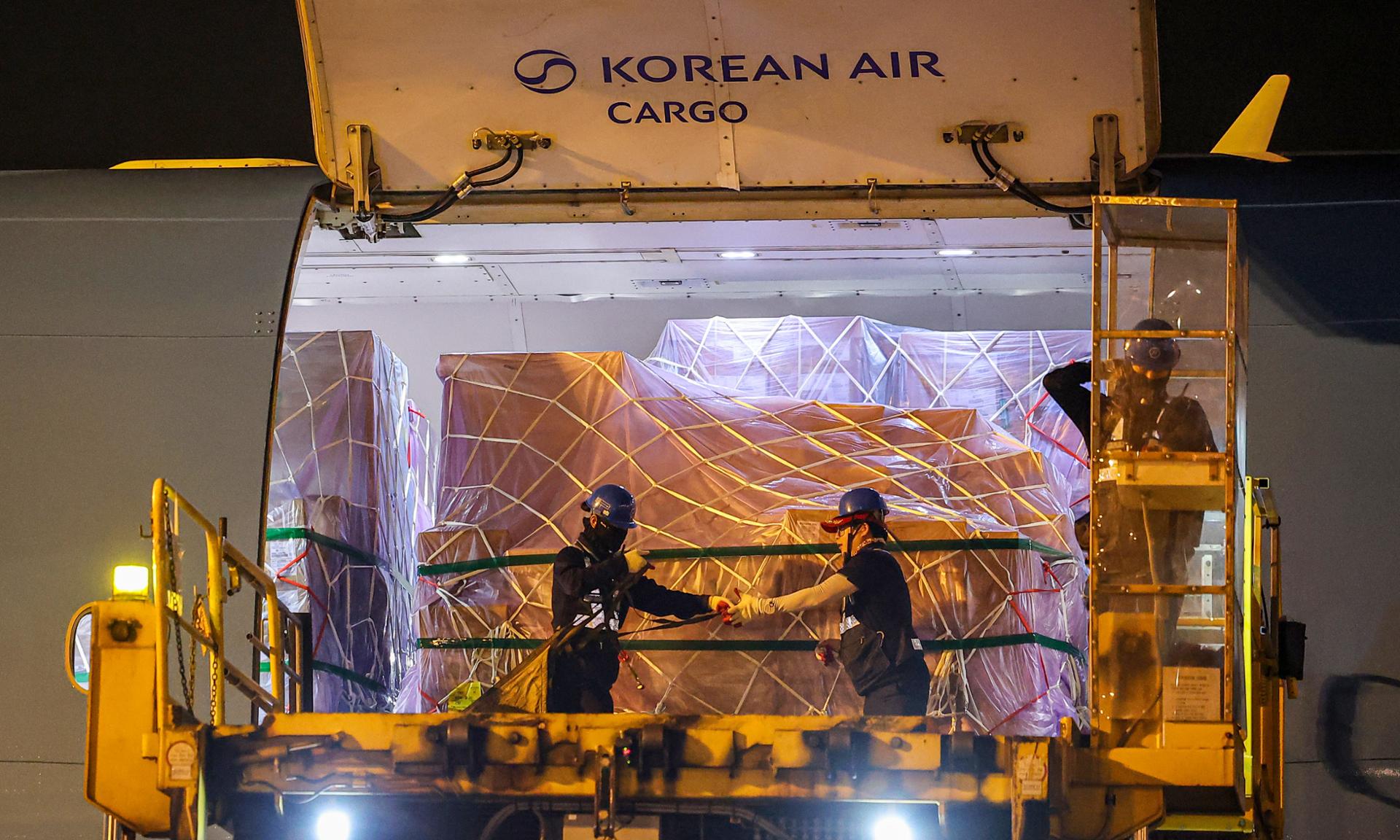
The Bank of Korea (BOK) is expected to raise its growth outlook for the Korean economy this year to above 3 percent, economic experts in South Korea said Sunday, citing stronger-than-expected semiconductor exports and recovering domestic demand.
According to a recent survey of six economic analysts conducted by Yonhap News Agency, respondents expect the central bank to revise its 2026 growth outlook upward from the current 2.6 percent to as high as 3.4 percent. The BOK periodically updates its growth, inflation and current account estimates as part of its regular economic outlook releases, which typically accompany the Monetary Policy Committee's rate decisions and are widely used as a reference point in the government's budget and policy discussions.
"Given the stronger-than-expected exports led by semiconductors, increased government expenditure driven by higher tax revenues and a rebound in domestic demand, the country is likely to achieve economic growth of around 3 percent this year," said Ahn Jae-kyun, an analyst at Korea Investment & Securities, putting this year's economic growth outlook at 3.2 percent.
Other respondents in the survey gave similar estimates of around 3.1 to 3.2 percent, with the highest projection coming from Nomura Securities, which forecast 3.4 percent annual economic growth.
"The BOK could take into consideration the semiconductor boom and the government's expansionary fiscal policy. We expect the central bank to sharply raise the growth forecasts for this year and next year," said Park Jeong-woo, an economist at Nomura.
The analysts' growth outlooks for next year ranged between 2.2 percent and 2.8 percent, according to the survey.
Semiconductor supercycle seen continuing
Most of the respondents were positive that the semiconductor supercycle will likely continue providing upward momentum to Korea's economy, pointing to a supply-and-demand mismatch in the global semiconductor market. Semiconductors are South Korea's largest export item, and the country's chip shipments are dominated by memory products from Samsung Electronics Co. and SK hynix Inc., the world's two largest memory chipmakers, which ties headline export performance to the AI-driven demand cited by analysts in the survey.
"While the demand for artificial intelligence (AI) inference is growing exponentially, the pace of semiconductor supply is relatively slow. A supply crunch is likely to continue longer, beyond 2027," Park of Nomura said.
Joo Won, deputy director of economic research at Hyundai Research Institute, offered a more cautionary outlook, saying the semiconductor supercycle could peak out sooner than expected, noting that August chip exports dropped from a month earlier.
"The semiconductor market will remain strong until around the end of this year to the early half of next year," the analyst said.
Current account and inflation outlook
Beyond growth, most of the experts agreed that the central bank could sharply raise its estimate of Korea's current account surplus from the $250 billion announced in May. They noted that the country's account surplus for the first half of 2026 has already topped last year's annual tally of $191 billion, which stood as the highest figure on record.
On consumer prices, experts widely expected the BOK to maintain its inflation rate estimate of 2.7 percent announced in May, citing continued inflationary pressures from rising oil prices and the high won-dollar exchange rate. How far the central bank ultimately moves its own numbers — on growth, the current account or inflation — will indicate how closely its assessment aligns with the more upbeat picture drawn by the surveyed analysts.
Source: The Korea Times
