US Attorney Who Threatened Sen. Blumenthal With Investigation Faces Document Preservation Demand of His Own
Key Takeaways
- •Texas federal prosecutor Aaron F. Reitz sent Sen. Richard Blumenthal a letter on Wednesday demanding he preserve documents over alleged threats to Americans.
- •The alleged threats relate to the Senate Homeland Security Committee's plans to hold oversight hearings into Department of Homeland Security spending.
- •The committee's scrutiny followed revelations that former DHS Secretary Kristi Noem purchased a fleet of jets from a campaign donor and used a political ally to produce commercials for the department.
- •Blumenthal responded with his own demand requiring Reitz to preserve all records, including communications with the White House and Justice Department, and to confirm by 6 p.m. on Nov. 12, 2026 that the materials are being retained.
- •The Speech or Debate Clause in Article I, Section 6 of the Constitution protects congressional oversight from executive or judicial interference, and preservation demands are typically the first formal step before subpoenas or litigation.
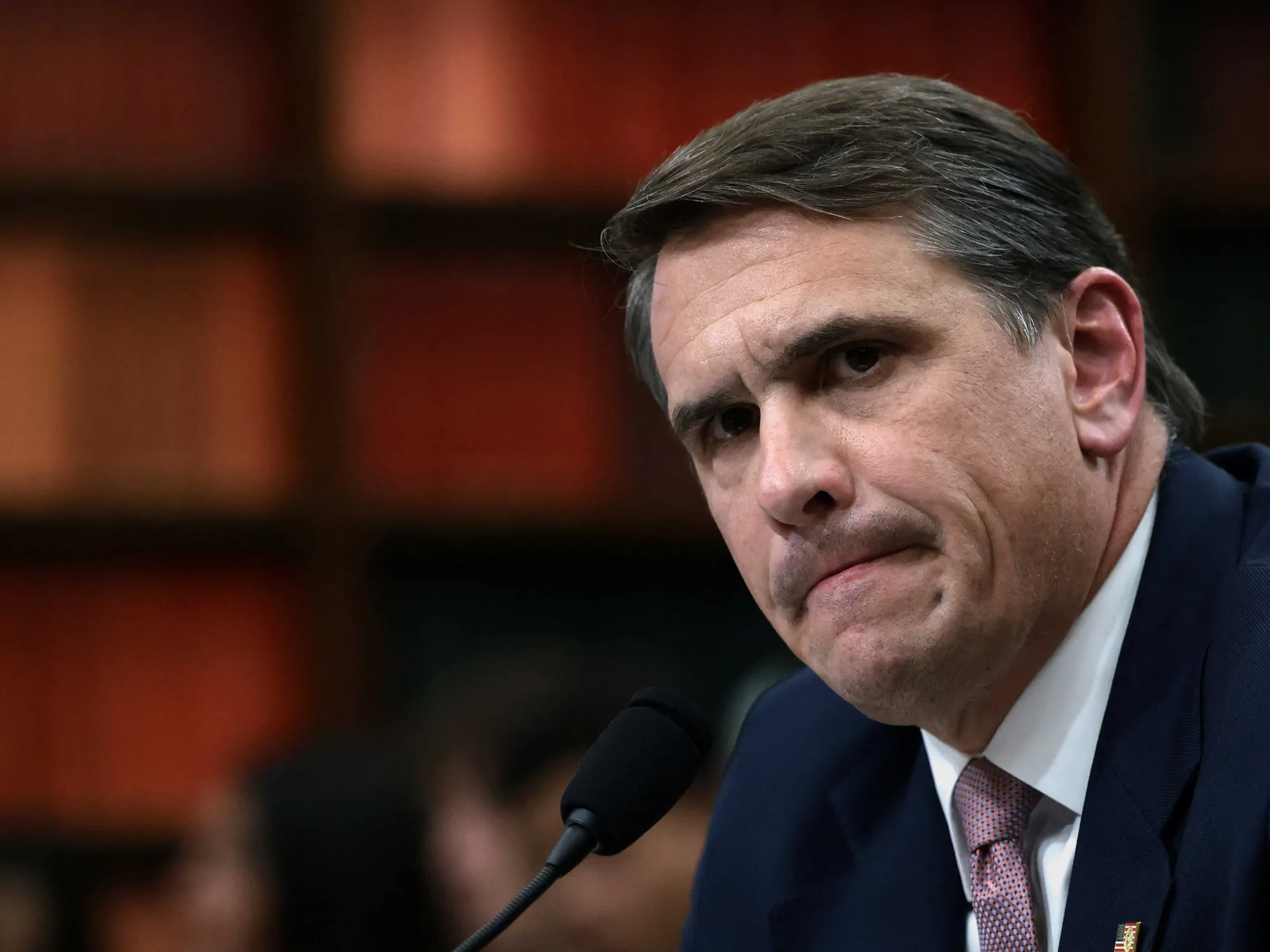
A Texas federal prosecutor is facing a document preservation demand from a US senator, delivered Thursday, one day after he threatened to investigate a lawmaker who does not live in his state.
The dispute began Wednesday, when Aaron F. Reitz sent Sen. Richard Blumenthal (D-Conn.) a letter demanding that he preserve all documents after making threats to Americans, according to posts by Anna Bower of Lawfare on Bluesky.
The referenced threats concern plans by the Senate Committee on Homeland Security and Governmental Affairs to hold oversight hearings into spending at the Department of Homeland Security. That scrutiny followed the discovery that former Secretary Kristi Noem purchased a fleet of jets from a campaign donor and used a political ally to produce commercials for the department.
While Blumenthal and other Democrats intend to investigate numerous other issues in the coming 120th Congress, Attorney General Todd Blanche has taken the pledge of oversight and turned it into claims that Democrats are threatening average Americans.
The exchange inverts the usual accountability relationship, in which Congress investigates government conduct to determine whether laws, funding, or other corrective action are necessary. Congress's power to investigate is long recognized as an essential adjunct to its legislative function, which is why committee inquiries into executive-branch agencies typically precede any legislative or funding response. Reitz's decision to threaten the investigator appears to have drawn more attention to himself and to his own relationship with President Donald Trump's administration.
Blumenthal responded with a letter of his own directing Reitz to preserve all documents. Such preservation demands are commonly the first formal step before subpoenas or litigation, intended to ensure records are not destroyed before they can be obtained.
"I am aware of your letter, post on X today, which purports to initiate an investigation into me for conducting a congressional inquiry. This is just the latest in a series of unlawful actions on the part of the Trump Administration attempting to intimidate Members of Congress for engaging in constitutionally protected Activity," Blumenthal wrote, according to another post from Bower.
"Since you appear to have evidence of the Trump administration's efforts to protect corporate donors and administration officials from legitimate oversight, I accordingly direct you to preserve all records and correspondence, including all communication with the White House or senior officials at the Department of Justice, related to the decision to draft and post your letter. Please confirm no later than 6 p.m. on Nov. 12, 2026 that you have received my letter and have taken steps to preserve the materials described above," the letter closes.
The immediate markers to watch are procedural: whether Reitz confirms by Blumenthal's Nov. 12, 2026 deadline that the requested records are being preserved, and whether the Homeland Security Committee proceeds with its planned hearings into DHS spending.
For Reitz, the danger is that making accountability and oversight personally costly enough for elected officials can amount to attempted intimidation by the White House or Justice Department — conduct that in turn prompts a legitimate inquiry by Congress.
The Speech or Debate Clause, found in Article I, Section 6 of the US Constitution, protects legislative activity from executive or judicial interference. Its purpose is to prevent lawmakers from having to choose between performing their constitutional duties and facing retaliation from the officials they scrutinize.

