BitMEX Formally Ceases Operations: Withdrawals Remain Open as Fees Hit Leftover Balances
Key Takeaways
- •BitMEX ended all exchange operations at 04:00 UTC on Wednesday, closing out a wind-down process announced in July by owner HDR Global Trading after a strategic review.
- •Users can still log in and withdraw funds, but trading, deposits, and new positions are no longer available, and customers have been told not to send money to BitMEX addresses.
- •KYC-verified users face dormant account fees of 1% per year or $50 equivalent—whichever is greater—charged monthly and set to rise over time, making small balances disproportionately costly to leave on the platform.
- •Staged security measures, including KYC refreshes and cooldown periods, may delay withdrawals, and BitMEX has warned customers about phishing scams promising faster access to funds.
- •Founded in 2014 as the inventor of the perpetual swap with up to 100x leverage, BitMEX pleaded guilty in 2024 to Bank Secrecy Act violations and paid $100 million in penalties before President Trump pardoned co-founders Arthur Hayes, Ben Delo, and Samuel Reed in March 2025.
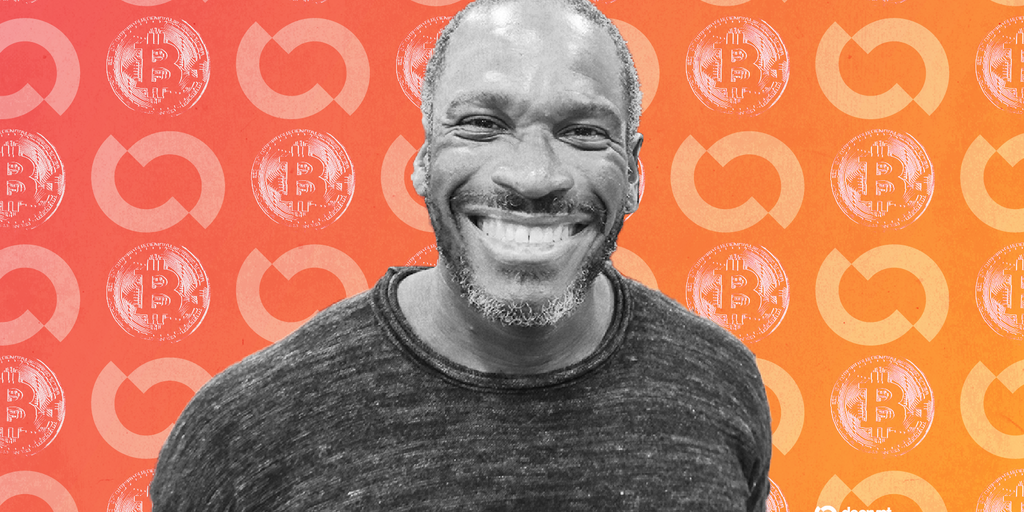
BitMEX, the crypto exchange that introduced the perpetual swap to the market, has officially ceased operations, closing out a wind-down process announced in July. The closure ends the run of the venue behind what the company calls crypto's most traded product.
The company said on X that all exchange operations ended at 04:00 UTC on Wednesday, capping a two-month shutdown. Trading, deposits and the opening of new positions are no longer available, though users can still log in and withdraw funds. The exchange also detailed the closure on its official blog.
"Your funds remain completely safe," BitMEX wrote, urging customers to withdraw remaining balances as soon as possible. Deposits are no longer being credited, and users have been told not to send funds to BitMEX addresses.
Lingering balances will now carry a cost. Users who completed KYC identity verification face an account fee of 1% per year or $50 equivalent — whichever is greater — charged monthly. BitMEX has said the fee will rise over time, so the longer money sits on the platform, the more of it the fee consumes. For balances below $5,000 equivalent, the $50 floor — not the percentage — is the larger charge, making small, forgotten accounts disproportionately expensive to leave open.
Security measures, including KYC refreshes and cooldown periods, are rolling out in stages, meaning withdrawals may involve waiting through those checks rather than moving instantly. The company has also warned customers about phishing scams promising faster withdrawals — a reminder to treat any offer to speed up access as a red flag.
The closure was set in motion in July, when owner HDR Global Trading attributed the decision to a strategic review of the business and the broader industry. BitMEX halted new sign-ups immediately, barred new positions from Aug. 26 and began force-closing open trades.
Founded in 2014, BitMEX invented the perpetual swap, or perp — a futures contract with no expiry date that offered leverage of up to 100x. The company describes it as crypto's most traded product and says it never lost user funds to a hack, a track record that made the exchange a fixture of crypto's derivatives era.
The exchange's later history was rockier. BitMEX pleaded guilty in 2024 to Bank Secrecy Act violations and paid $100 million in penalties. In March 2025, President Donald Trump pardoned co-founders Arthur Hayes, Ben Delo and Samuel Reed.
Delo has since turned to British politics, donating £8 million to Nigel Farage's Reform UK this year, according to Electoral Commission records.
"Thank you to everyone who traded with us. It's been an honour," BitMEX wrote. With trading and deposits closed, the remaining task for users is straightforward: withdraw balances before the escalating account fee takes a bigger bite, expect staged security checks along the way, and treat the exchange's blog and X posts as the reference point for verified updates amid the phishing warnings.

