BitMEX Faces 622 BTC Class Action Lawsuit Ahead of September Exchange Shutdown
Key Takeaways
- •BKX Services Inc. and trader David Namdar filed a proposed class action on July 23 seeking the return of 622.66 BTC plus compensatory and punitive damages from BitMEX.
- •The plaintiffs allege BitMEX closed leveraged positions before traders exhausted their collateral and transferred excess Bitcoin into its insurance fund instead of returning it to customers.
- •The complaint accuses BitMEX's internal trading desk of exploiting private customer data and continuing to trade during server outages when customers were unable to manage their positions.
- •The proposed class action aims to represent eligible U.S. customers who traded Bitcoin perpetual swaps on BitMEX dating back to July 23, 2018.
- •BitMEX announced it will shut down its exchange operations on September 23, following leadership restructuring and after previously exploring a potential sale.
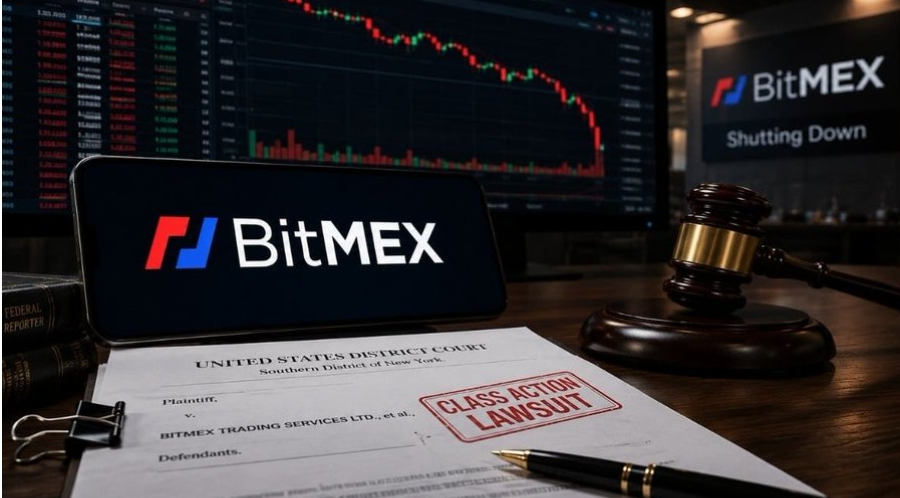
A proposed U.S. class action lawsuit filed against BitMEX alleges that the cryptocurrency exchange's liquidation system caused two traders to lose a combined 622.66 Bitcoin (BTC), with plaintiffs seeking the return of those funds along with compensatory and punitive damages. The case arrives as BitMEX — once the world's largest crypto derivatives exchange and the pioneer of the perpetual swap contract that became an industry standard — prepares to exit the exchange business entirely.
BKX Services Inc. and trader David Namdar filed the complaint on July 23 in the U.S. District Court for the Southern District of New York. The plaintiffs accuse BitMEX and its founders of closing leveraged positions before traders exhausted their available collateral and then retaining excess Bitcoin through the exchange's insurance fund. The claims remain unproven, and BitMEX had not publicly responded at the time reports surfaced.
Plaintiffs Detail Alleged Losses
BKX Services claims it lost at least 305.81 BTC through forced liquidations on the platform. Namdar alleges that BitMEX liquidated positions holding more than 316.85 BTC. Together, the plaintiffs are seeking the return of 622.66 BTC in addition to compensatory and punitive damages.
The complaint asserts that BitMEX closed customer positions while remaining collateral still exceeded the losses tied to those trades. According to the filing, the exchange transferred the excess Bitcoin into its insurance fund rather than returning it to affected customers. The plaintiffs contend this mechanism allowed BitMEX to retain Bitcoin left over after forced liquidations.
Insurance funds of this type are common across crypto derivatives exchanges, typically funded by liquidation surpluses to cover counterparty losses. The BitMEX lawsuit, however, targets the specific question of whether excess collateral should have been returned to liquidated traders rather than absorbed by the fund.
BitMEX permitted traders to open leveraged positions worth up to 100 times their posted collateral — positions that carried substantial liquidation risk when markets moved unfavorably. The lawsuit does not challenge leveraged trading itself but instead focuses on how BitMEX handled collateral after closing customer positions.
The proposed class action seeks to represent eligible U.S. customers who traded Bitcoin perpetual swaps dating back to July 23, 2018. The complaint also references an earlier case filed in 2020 by Brett Messieh and other traders, which raised similar claims but was dismissed without prejudice in June 2025, preserving the possibility of related actions.
Allegations Regarding Internal Trading Desk
The plaintiffs further accuse BitMEX of granting its internal trading desk access to private customer data, allegedly allowing the desk to view information unavailable to ordinary users. The complaint claims the desk exploited this data advantage while trading against customers during volatile market conditions.
Court filings also allege that BitMEX's internal desk continued trading during server outages, a period when customers reportedly could not close positions, reduce exposure, or add collateral. The plaintiffs argue these conditions compounded liquidation risks for users unable to manage their open trades.
Additionally, the complaint characterizes BitMEX's system as one designed to generate revenue from customer liquidations, with the exchange benefiting financially when liquidated collateral flowed into its insurance fund.
BitMEX Announces September Shutdown
The legal filing coincided with BitMEX's announcement that it will close its exchange business. HDR Global Trading, the company behind the platform, stated that exchange operations will cease at 04:00 UTC on September 23. The exchange has already halted new customer registrations.
Beginning August 26, traders will no longer be able to open new positions and may only reduce or close existing trades. BitMEX plans to wind down outstanding positions gradually before the final deadline and will automatically liquidate any positions that remain open when services end.
Customers will retain account access after the shutdown for withdrawals, transaction records, and wallet balances. Verified users who leave funds on the platform will incur a monthly charge of $50 or an annual rate of 1%, whichever is greater.
BitMEX confirmed the closure plans on social media.
Leadership Overhaul Precedes Closure
The closure announcement follows a series of leadership changes at the company. BitMEX replaced former CEO Stephan Lutz earlier in July. Chief Financial Officer Ina Steiner and Chief Growth Officer Raphael Polansky also departed during the restructuring. Former Chief Operating Officer and Global General Counsel Peter Wilkinson assumed the role of chief executive.
The management shakeup followed reports that BitMEX had explored a potential sale.
BitMEX has navigated regulatory and leadership challenges since 2020, when founders Arthur Hayes, Ben Delo, and Samuel Reed stepped down after U.S. authorities accused the exchange of failing to maintain adequate anti-money laundering controls. The company subsequently pleaded guilty to related charges and agreed to pay $100 million to resolve parallel civil investigations by the CFTC and FinCEN. President Trump later pardoned Hayes, Delo, and Reed. The platform's market share among crypto derivatives exchanges had declined materially since its peak years, with competitors such as Binance and Bybit capturing the bulk of trading volume in the sector.

