Bitget Wallet’s Direct Bank Transfer in Nigeria, Explained
Key Takeaways
- •Bitget Wallet launched direct bank transfers in Nigeria on 25 November 2025, enabling users to convert USDT and USDC into naira inside the app.
- •The service supports multiple blockchains and more than 45 Nigerian banks, and it launched with zero fees.
- •By July 2026, Bitget Wallet said it had more than 100 million global users and had processed $177 billion in stablecoin settlement.
- •The company said payment volume surpassed trading volume for the first time, while its card program expanded to more than 150,000 cards across 50+ markets.
- •Nigeria has become a major center for stablecoin activity in sub-Saharan Africa, with the IMF estimating it accounts for about 60% of the region’s inflows.
For Nigerians holding dollar-denominated stablecoins, the hard part has rarely been acquiring them. The challenge is the final step: converting a USDT or USDC balance into naira in a bank account without a chain of intermediaries taking a cut at every stage.
Bitget Wallet, the self-custodial crypto wallet that surpassed 100 million users globally in July, has offered a direct bank transfer feature in Nigeria since November 2025. Nine months after launch, the market it entered has changed.
Direct bank transfers went live on 25 November 2025 across Nigeria and Mexico, covering more than 45 Nigerian banks and 35 Mexican banks. The feature supports USDT and USDC on BNB Chain, Ethereum, Solana, Tron and Base, and launched with zero fees. At the time, Nigeria was sized at $90 billion in annual onchain transaction value.
By July 2026, Bitget Wallet said it had more than 100 million users globally, up from 80 million at the time of the November launch. The company also said payment volume overtook trading volume for the first time, and that it had processed $177 billion in stablecoin settlement across more than 80 rails and 100+ currencies.
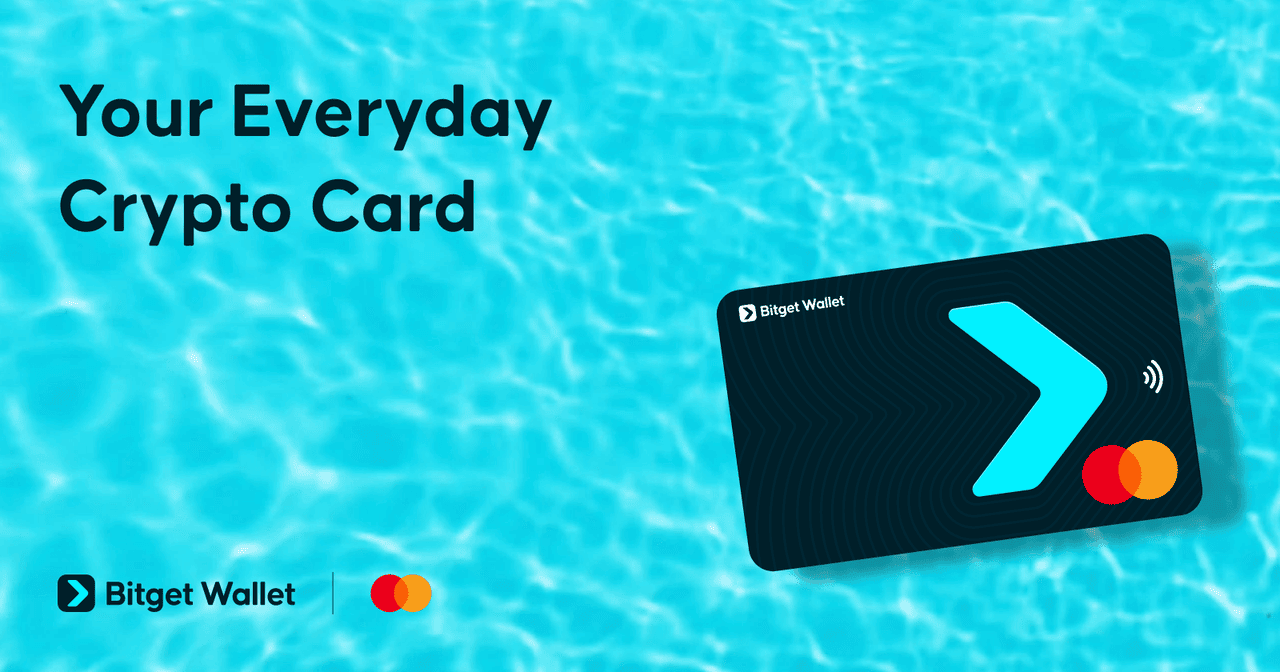
The wallet’s card program has also expanded. Bitget Wallet said it has issued more than 150,000 cards across 50+ markets. In its materials for the first half of 2026, the company reported card spend of either $31 million or $33 million, depending on the version of the release, up 191% from the second half of 2025. It also said card spend in emerging markets rose 416%, more than double the global rate. Average cardholders make about 10 payments a month, at roughly $28 per transaction.
The direct bank transfer feature allows a user to convert a stablecoin balance held inside the wallet and receive naira in a Nigerian bank account without first moving funds to a separate exchange. For users who already hold crypto balances, that can reduce the number of steps between earning or receiving funds and spending them locally, which is the main practical appeal of the feature.
By contrast, the conventional route usually has three steps: send the stablecoin to an exchange, sell it, and withdraw naira to a bank account. Each stage can add a fee, a delay, and another point of failure. The direct transfer compresses that process into a single action inside the app.
Bitget Wallet has not disclosed the full mechanics behind the service, which is typical for off-ramp infrastructure and common across much of the sector. Even so, the basic structure is clear. A counterparty must have enough naira liquidity to swap for the user’s assets at a specific price, then move the local currency through Nigerian settlement systems into the recipient’s bank account. The app handles the trade by sourcing liquidity, setting the conversion rate and triggering the final transfer.
The quality of the service depends on liquidity depth, spread tightness against market benchmarks and settlement reliability during periods of local network congestion.
Because Bitget Wallet is self-custodial, the user’s balance remains under the user’s own keys until conversion, and the company does not hold customer funds on its own books. That difference may not materially affect speed, but it matters if a platform fails, which is a real risk in this market.
Traditional remittance platforms are designed around the needs of senders outside the country. In that model, a user in Toronto or London funds a digital wallet with local fiat and directs money to a recipient in Lagos. The transfer starts in a foreign market, and the sender is the primary customer.
The direct bank transfer model begins elsewhere: with a stablecoin balance the user already holds. In this market, that balance is often earned rather than received, from freelance income, an invoice paid by a client abroad, or revenue from a cross-border contract.
That difference affects everything else. A sender is usually comparing rates and looking for the cheapest route. A holder already has the asset and wants control over when and how much of it becomes naira. It also explains why self-custody matters more in this use case than it would in a standard remittance product, where funds may be in transit for only a short period.
Nigeria has become the center of gravity for stablecoin activity in sub-Saharan Africa. The IMF estimates the country accounts for roughly 60% of the region’s inflows, based on third-party blockchain data using USDT and USDC as proxies rather than an official balance-of-payments measure.
Formal remittance data has moved in the same direction. Inflows through licensed money transfer operators reached $1.29 billion in the first quarter of 2026, up 45% year on year. Central Bank of Nigeria Governor Olayemi Cardoso has said the bank is targeting $1 billion a month by year-end, from a run rate of above $600 million. Total remittances in the same quarter fell to $5.30 billion from $5.72 billion, suggesting the growth is concentrated within the formal channel rather than the broader pool.
Bitget Wallet’s usage data points to a specific pattern. Cardholders average about 10 transactions a month at roughly $28 each, and the company says card spend in emerging markets increased 416% in the first half of 2026, compared with 191% globally. Those figures describe spending behavior, not trading activity.
The corridor itself has also repriced. London-to-Lagos transfer costs have fallen from an average of 7.8% in 2023 to between 2% and 3% on modern diaspora applications.
The broader point is reflected in the national numbers. When a freelancer in Lagos is paid in USDT by a client in Berlin and converts it to naira inside a wallet, no money transfer operator touches the transaction, and it does not appear in the quarterly inflow figures reported by the CBN. The scale of that flow is large enough that the IMF has used blockchain data to estimate it.
While much of the category has spent the past three years competing to move a sender’s money more cheaply, Bitget Wallet has been building on the other side of the market since November 2025.
Also read: Bitget Wallet exceeds 100 million users; direct bank transfers in Nigeria now connected
Also read: Bitget announces Panda Farm (BBO) token sale on its re-launched launchpad platform
