Bitcoin Pulls Back From $87,000 High as Spot ETF Inflows Slow Amid Bitget Hack
Key Takeaways
- •Bitcoin slipped from a Monday peak of $87,430 to trade near $84,700 on Sept. 25, avoiding a fourth consecutive daily decline.
- •Daily U.S. spot Bitcoin ETF inflows slowed from over $998 million on Monday to $346 million on Wednesday, even as cumulative inflows surpassed $57.4 billion.
- •The U.S. 10-year Treasury yield climbed to a 20-year high of 5.12%, strengthening the appeal of yield-bearing government debt relative to non-yielding Bitcoin.
- •Bitget halted withdrawals after reporting an estimated $351.6 million in unauthorized transfers, with CEO Gracy Chen stating customer funds are covered by a protection fund holding more than $464 million.
- •Technical analysis identifies $82,525 as critical support, with a potential recovery toward $87,500 that would be invalidated by a drop below $80,000.
Bitcoin traded near $84,700 on Sept. 25 after pulling back from a weekly high above $87,000 reached on Monday, as rising U.S. Treasury yields, slowing spot Bitcoin ETF inflows, and a $351.6 million security breach at major crypto exchange Bitget combined to add fresh risk factors for traders. Data from CoinMarketCap showed BTC recovering slightly from its Sept. 24 close near $84,379, leaving the asset below this week's peak but avoiding a fourth consecutive session of declines. Based on the chart referenced in the analysis, $82,525 stands out as the next major technical area to watch.
Spot Bitcoin ETF Inflows Are Losing Momentum
American investors have continued buying Bitcoin through spot exchange-traded funds this week. Spot Bitcoin ETFs, which debuted in the U.S. in January 2024, hold the asset directly and let traditional brokerage customers gain exposure without holding crypto on an exchange. According to the data, these funds added more than $190 million on Thursday, bringing cumulative inflows above $57.4 billion. Thursday marked the fourth straight day of net inflows this week.
Momentum, however, is showing clear signs of slowing. Daily inflows totaled more than $998 million on Monday, fell to $714 million on Tuesday, and slowed further to $346 million on Wednesday.
The same deceleration is visible on a monthly basis. The funds have added $2.5 billion in assets so far this month, down from $3.5 billion last month. On the positive side, inflows have kept the full-year total positive, even though the funds suffered substantial outflows earlier in the year, including $4.5 billion in June and $2.43 billion in May.
The cooling ETF momentum has coincided with ongoing woes in the bond market. Data shows the U.S. 10-year Treasury yield jumped to a 20-year high of 5.12%, while the 30-year yield rose to 5.4%. Higher yields raise the return on government debt, a comparison point investors weigh against non-yielding assets such as Bitcoin. Bond yields in other countries, including Germany and France, have continued rising this week.
Crude Oil Prices Are Soaring
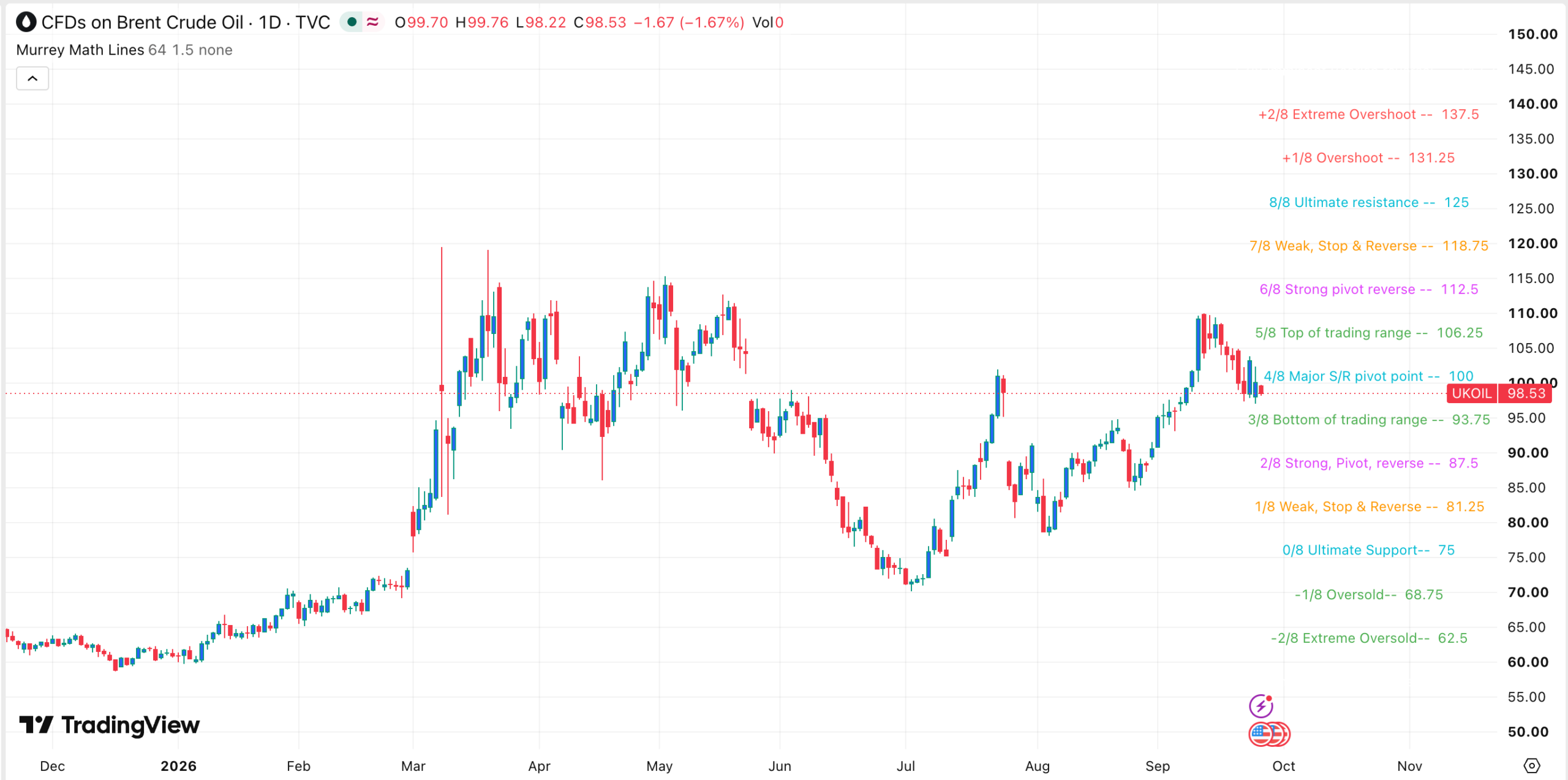
Crude oil prices have remained at elevated levels, with Brent and West Texas Intermediate (WTI) rising to $106 and $93, respectively. Prices have continued climbing because of rising odds that the U.S.-Iran war will persist for the foreseeable future.
The surge in oil has pushed gasoline and diesel costs to their highest levels in years. Diesel has jumped to a record high of $6.5, and the rally may continue because of refining challenges in key countries. As a result, there is a likelihood that the Federal Reserve and other central banks will decide to raise interest rates by 0.25% later this year. Energy prices feed directly into the inflation readings central banks weigh when setting rates, making oil's path a variable to monitor alongside Bitcoin's own chart.
Bitget Reports $351 Million Breach, Suspends Withdrawals
Concerns about the security of crypto tokens intensified following a major hack at Bitget, a leading cryptocurrency exchange. The company reported an estimated $351 million in unauthorized transfers from its wallets and then temporarily suspended withdrawals. In a statement, Chief Executive Gracy Chen said user funds were safe and were covered by the Bitget User Protection Fund, which holds more than $464 million. With withdrawals still paused, updates on the investigation and the restoration of services will be the key developments to watch.
Over the longer term, however, the hack is unlikely to have a major impact on Bitcoin and other cryptocurrencies, as the industry has endured worse incidents. Companies including Bybit, Poly Network, LuBian, and FTX have all been hacked before, and Bitcoin also survived the collapses of FTX, Mt. Gox, and Terra.
Bitcoin Price Technical Analysis
The daily chart shows Bitcoin has pulled back over the past few days, retreating from a high of $87,430 on Monday to the current level of about $84,180.
The price is approaching the crucial support level of $82,525, which marked the highest levels of May and September this year. A break-and-retest of that level is one of the most common bullish continuation patterns in technical analysis.
Bitcoin has also remained above the strong pivot reversal level of the Murrey Math Lines tool and continues to trade above the Supertrend indicator. Under this setup, the analysis points to a likelihood that the price will bounce back, possibly toward the ultimate resistance level of $87,500. A drop below the $80,000 support would invalidate the bullish outlook.
This article is for informational purposes only and does not constitute financial or investment advice. Technical projections may not materialize.

