Bitcoin and the U.S. Dollar Are Rising Together: Is the Inverse Correlation Finally Breaking?
Key Takeaways
- •Bitcoin rose from about $63,000 at the start of August to a recent high near $87,000 before trading around $84,600.
- •The U.S. dollar index (DXY) rebounded from lows near 98.40 in early September to above 101.00 after sliding for most of the summer.
- •Bitcoin and the dollar historically exhibit an inverse relationship, with Bitcoin frequently positioned as a hedge against dollar weakness.
- •The simultaneous rally may stem from risk-on positioning, institutional allocation flows, or Bitcoin-specific catalysts, and appears more likely a temporary decoupling than a lasting regime shift.
- •Traders will focus on Federal Reserve commentary, inflation data, and risk sentiment to judge whether Bitcoin's rally can continue independent of dollar dynamics.
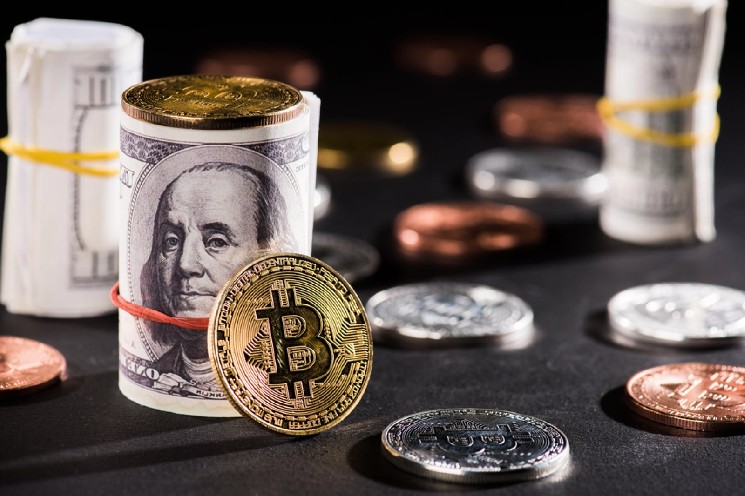
Bitcoin and the U.S. Dollar Are Rising Together: Is the Inverse Correlation Finally Breaking?
Bitcoin has staged a significant rally since the beginning of August, climbing from roughly $63,000 to a recent high of about $87,000 before easing slightly to trade near $84,600. The advance has been steady and largely uninterrupted, carrying the asset well above both its short-term and long-term moving averages.
A Stabilizing Dollar
Over a comparable period, the U.S. dollar index has also improved, rising from lows around 98.40 in early September to above 101.00 at present. The recovery marks a reversal for the index, which spent most of the summer sliding from its July highs near 101.6.
The dollar index — tracked under the ticker DXY — measures the dollar's value against a basket of major foreign currencies and is one of the most widely referenced gauges of dollar strength in global finance. Because Bitcoin is priced in dollars, the index's direction is a routine reference point for traders assessing how currency conditions feed into crypto pricing.
Over the last few sessions, the dollar has been gaining ground, and that move has coincided with Bitcoin's ongoing push to its own local highs. The concurrent strength is noteworthy, because Bitcoin and gold have frequently been positioned as hedges against dollar weakness, particularly during periods of expectations for monetary easing or concerns about fiscal policy.
Risk Positioning and Correlation
When both assets rise simultaneously, the dollar's conventional influence on cryptocurrency pricing may be outweighed by other factors, such as risk-on positioning, institutional allocation flows, or catalysts unique to Bitcoin. Nevertheless, a single overlapping rally does not always indicate a structural break in correlation.
Throughout multi-year cycles, the relationship between BTC and the DXY dollar index has historically fluctuated between weakening and reasserting itself. Brief of positive correlation have also appeared in the past, but these have not interrupted the larger inverse pattern.
The episode also speaks to a long-running debate over how to categorize the asset — dollar hedge, risk asset, or a hybrid that has shifted between those roles across different phases of the cycle — which is precisely why the correlation data draws so much attention each time the two move in tandem.
A more telling sign would emerge if this alignment holds over the next few weeks — particularly if the dollar keeps rising while Bitcoin either holds its gains or corrects. As of now, the concurrent strength in both the DXY and BTC appears to be more of a transient decoupling than a long-term regime shift.
To determine whether Bitcoin's rally can continue independent of dollar dynamics, or whether the historical inverse relationship eventually reasserts itself as it has in previous cycles, traders watching this dynamic will likely concentrate on upcoming macro catalysts, such as Federal Reserve commentary, inflation data, and shifts in risk sentiment.

