Bitcoin Core Developer Antoine Poinsot Responds to AI and Quantum Risk Claims
Key Takeaways
- •Bitcoin Core contributor Antoine Poinsot, affiliated with Chaincode Labs, said security researchers need evidence before asserting that artificial intelligence has changed the security of Bitcoin addresses.
- •His remarks came in an October 9, 2026 video discussion published by Bitcoin Magazine, responding to a viral post by Ethereum Foundation researcher Justin Drake about Bitcoin address security in connection with AI and quantum computing.
- •Poinsot compared quantum-preparedness proposals including BIP 360, BIP 361, and P2TR v2, and argued that hiding public keys behind hashes is a red herring.
- •He also presented BIP 54, a consensus cleanup proposal bundling four fixes into a single soft fork, noting that activation depends on broad community buy-in rather than any single team's timetable.
- •The discussion additionally covered lessons from the failed summer soft fork and the Coldcard incident, including reducing single points of failure through multisig setups and the Liana wallet.
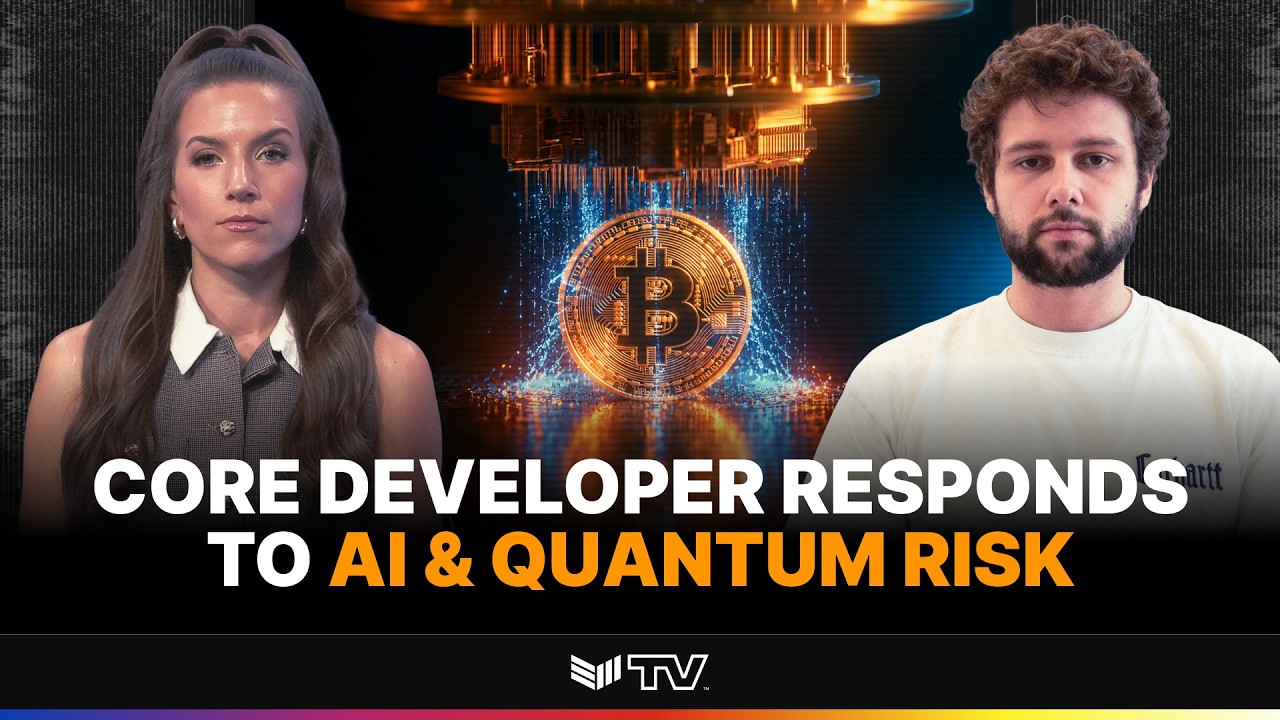
Bitcoin Core contributor Antoine Poinsot has responded to claims that artificial intelligence has changed the security of Bitcoin's addresses, arguing that security researchers need evidence before making such assertions. Poinsot, a contributor affiliated with Chaincode Labs, a New York-based Bitcoin research and development group, made the remarks in a video discussion published on October 9, 2026, by Bitcoin Magazine, where he joined hosts Grace Remington and Sean Hagan.
The conversation responds to a viral post by Justin Drake, a researcher at the Ethereum Foundation, raising concerns about Bitcoin address security in connection with AI and quantum computing. The exchange spans two of the industry's most prominent blockchain ecosystems, underscoring that post-quantum questions reach beyond any single project. Poinsot addresses whether those concerns reflect a genuine change in Bitcoin's security model or amount to fear-mongering, explains what is actually at stake with quantum computing risk, and argues that preparing early matters more than reacting out of fear.
Quantum computing has long been debated among Bitcoin developers because sufficiently powerful quantum machines could, in theory, undermine the cryptographic signatures that secure transactions, potentially exposing coins whose public keys have been revealed on-chain. Against that backdrop, Poinsot discusses how quantum theft or frozen coins could break trust in Bitcoin, compares proposals including BIP 360, BIP 361, and P2TR v2 — BIP stands for Bitcoin Improvement Proposal, the formal channel through which developers put forward changes to Bitcoin's rules, while P2TR refers to Pay-to-Taproot, the output type introduced by Bitcoin's 2021 Taproot upgrade — and that hiding public keys behind hashes is a red herring. How developers ultimately weigh these competing approaches is one thread to watch as the quantum-preparedness debate continues.
Beyond quantum risk, Poinsot reflects on the lessons Bitcoin learned from the failed summer soft fork, presents BIP 54 — a consensus cleanup proposal aimed at fixing long-standing bugs in Bitcoin's consensus rules — explains the rationale for bundling four fixes into a single soft fork, and describes the work of building consensus to activate BIP 54, a process that, as the failed fork showed, depends on broad community buy-in rather than any single team's timetable. The discussion closes with lessons from the Coldcard incident involving the widely used Bitcoin hardware wallet, and on reducing single points of failure through multisig setups, which require multiple keys to approve a transaction, and the Liana wallet.
Chapters:
- 0:00 – Antoine Poinsot Responds to Justin Drake's Bitcoin Address Security Claims
- 1:05 – What the Failed Summer Soft Fork Taught Bitcoin
- 2:35 – BIP 54 Consensus Cleanup: Fixing Long-Standing Bitcoin Bugs
- 3:44 – Why Bundle Four Fixes Into One Soft Fork
- 4:53 – Building Consensus to Activate BIP 54
- 6:53 – How Quantum Theft or Frozen Coins Could Break Trust in Bitcoin
- 9:08 – BIP 360 vs. BIP 361 vs. P2TR v2
- 10:38 – Why Hiding Public Keys Behind Hashes Is a Red Herring
- 11:52 – Lessons From the Coldcard Incident
- 12:29 – Reducing Single Points of Failure With Multisig and Liana
The post, written by Patrick Green, first appeared on Bitcoin Magazine.
DISCLAIMER: The views and opinions expressed in this show are those of the participants and do not necessarily reflect the official policy or position of BTC Inc., Bitcoin Magazine, or any affiliated entities. This content is provided for informational and educational purposes only and should not be construed as investment, legal, tax, or accounting advice. Nothing contained in this show constitutes a solicitation, recommendation, endorsement, or offer to buy or sell any securities or financial instruments. Viewers should consult their own advisors before making financial or business decisions.

