Treasury Secretary Scott Bessent Urges Federal Reserve to Avoid Major Interest Rate Hike Amid Energy Supply Shock
Key Takeaways
- •Treasury Secretary Scott Bessent has called on the Federal Reserve to avoid implementing a substantial interest rate increase.
- •Bessent cited an energy supply shock and falling crude delivery prices as developments that should be weighed in monetary policy assessments.
- •He argued that inflation driven by supply disruptions should be separated from price pressures fueled by broader economic demand when setting policy.
- •The remarks are notable because the Fed sets rates independently of the administration, while higher borrowing costs raise the federal government's expense of financing its debt.
- •Bessent's comments established no specific rate target and signaled no commitment from the Federal Reserve, with future decisions remaining in the hands of the FOMC.
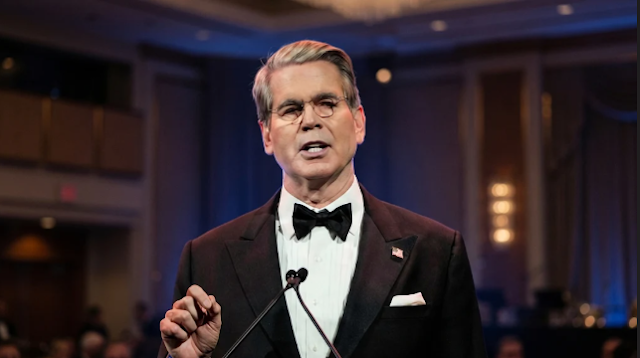
U.S. Treasury Secretary Scott Bessent has called on the Federal Reserve to steer clear of a substantial interest rate increase, arguing that an energy supply shock and falling crude delivery prices deserve weight in the assessment of monetary policy.
The Treasury secretary's remarks underscore the importance of separating inflationary pressures generated by supply disruptions from those fueled by broader economic demand. They arrive as energy market conditions remain a significant consideration for officials weighing the appropriate direction of interest rates.
The Federal Reserve sets interest rates independently of the administration, and public recommendations from a sitting Treasury secretary draw attention in part because of that institutional separation. Borrowing costs also fall within the Treasury's own orbit, since higher rates raise the federal government's expense of financing its debt.
Bessent Questions the Case for a Large Rate Increase
According to information shared by CoinMarketCap, Bessent believes the Federal Reserve should move cautiously before implementing a sizeable rate hike. He specifically pointed to the energy supply shock and a decline in crude delivery prices as grounds to avoid an aggressive rise in borrowing costs.
Supply disruptions in energy can shape inflation by affecting both the availability and the cost of essential commodities. Crude delivery prices, however, can signal something different about market conditions, which makes the relationship between energy costs and overall inflation a key consideration for central bank officials.
In Bessent's view, monetary policymakers should take developments in energy markets into account rather than reacting to inflationary pressures without examining their underlying sources. His comments do not establish a specific interest rate target, nor do they indicate that the Federal Reserve has committed to any particular policy decision.
Energy Prices Sit at the Center of the Rate Debate
The connection between energy prices and monetary policy is especially pertinent because swings in oil and other energy costs feed into transportation, manufacturing, and other areas of economic activity. Supply-side disruptions can lift costs even when underlying consumer demand is not rising at a comparable pace.
Central banks confront a policy dilemma when inflation is driven by supply-related factors. Higher interest rates can help temper demand and broader price pressures, but they do not directly fix disruptions in energy production, transportation, or distribution.
Meanwhile, declining crude delivery prices may point to easing pressure in parts of the energy market. Those movements matter for the inflation outlook, although they do not by themselves determine the Federal Reserve's next decision.
Bessent's comments accordingly place the energy supply shock and falling crude delivery prices at the heart of his argument against a major rate increase. The remarks reflect his view on the appropriate policy response rather than an announced shift in the Federal Reserve's interest rate strategy.
How the Fed weighs these arguments will become visible through official channels: the Federal Open Market Committee, the central bank's rate-setting body, meets on a regularly scheduled calendar with a statutory mandate covering maximum employment and price stability. Readers tracking the issue can follow published inflation readings, crude price trends, and the statements issued after each policy meeting.
CoinMarketCap reported the Treasury secretary's position, with Bessent stressing that the Federal Reserve should avoid a significant rate hike amid changing conditions in energy markets.
Source: Hokanews

