Ron Insana Questions Scott Bessent's Financial Track Record as Bond Proposals Show Little Impact
Key Takeaways
- •Ron Insana said Treasury Secretary Scott Bessent’s bond-market strategy has not produced a meaningful market response.
- •Insana cited Bessent’s solo hedge fund, Key Square Group, as having fallen from $5 billion in assets to $577 million between 2017 and 2023.
- •Bessent’s prior Wall Street background included senior roles at Soros Fund Management and Duquesne Capital Management, and he was confirmed by the Senate on a bipartisan vote.
- •The 10-year Treasury yield remained at 4.71 percent even after last week’s bond buyback effort.
- •Treasury’s next signals will come from auction results, quarterly refunding announcements, and subsequent changes in yields.
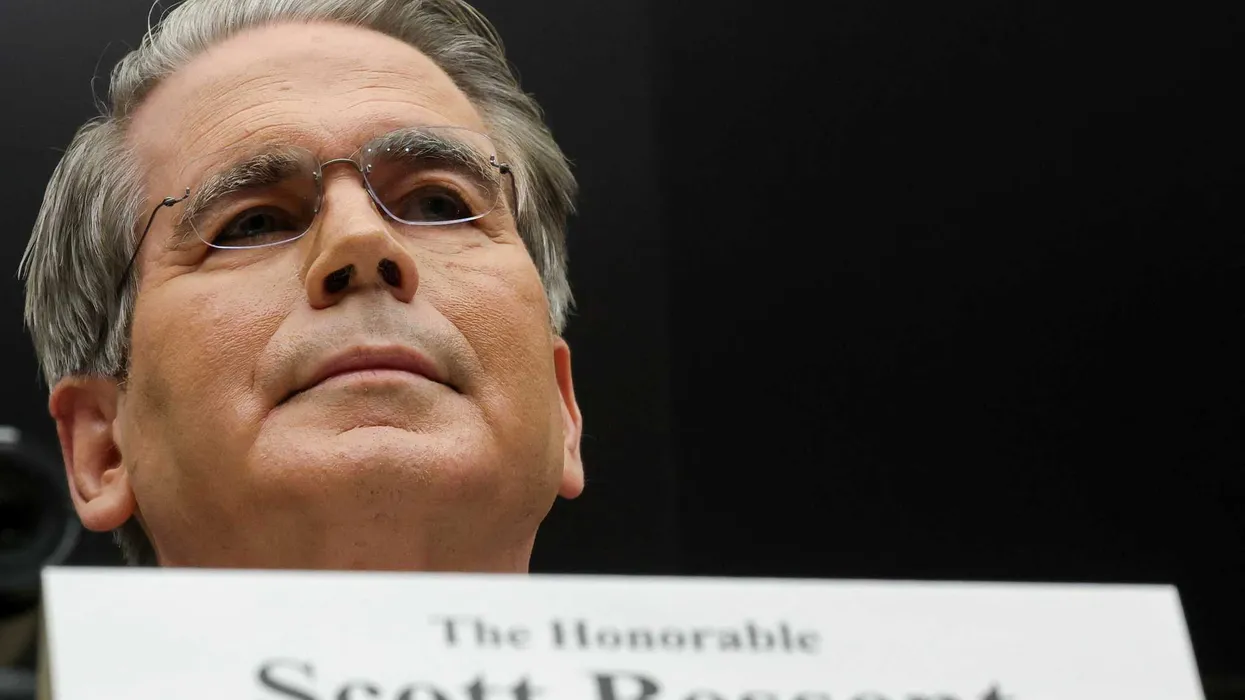
Treasury Secretary Scott Bessent's latest maneuvering to influence the bond market has led an MS NOW financial analyst to revisit the former hedge fund manager's spotty history as a financier.
As the economy continues to struggle in the second year of President Donald Trump's second term, Bessent has maintained a constant media presence, attempting to calm investors while at the same time dismissing their anxieties.
According to analyst Ron Insana — a senior analyst and commentator at CNBC who managed hedge fund money himself before turning to television — faith in Bessent is likely misplaced, as indicated by the market's failure to respond to his latest proposal.
Speaking on “Money Power Politics” with host Stephanie Ruhle, a former hedge fund salesperson herself who spent more than a decade on Wall Street before moving into broadcast journalism, Insana said Bessent's moves should be viewed with skepticism.
“I think, you know, he is still considered more grown up than other people in the room,” Ruhle prompted her guest. “But I mean there aren't a lot of people with economic experience of the kind that the markets want in the Trump administration. So I think he is still seen as the least worst option, right?”
“I'm not sure, Steph,” the financial analyst replied. “I mean, look, he ran a hedge fund on his own from 2017 to 2023 that went from $5 billion in assets to $577 million, lost 18 of his 20 investors during that period. He did well when he was with George Soros and Stan Druckenmiller, two very well-known hedge fund managers.”
The solo venture Insana referenced is Key Square Group, launched after Bessent's years at Soros Fund Management — where he rose to chief investment officer and, early in his career, took part in the firm's famous 1992 bet against the British pound — and after a stint alongside Druckenmiller at Duquesne Capital Management. That Wall Street résumé underpinned his Senate confirmation at the start of Trump's second term, approved on a bipartisan vote.
“I'm not sure he is as qualified as people originally thought,” he observed. “And certainly the execution of the bond buyback last week, which pushed bond yields down by, you know, just a very small fraction — and even this morning, the yield on the 10-year notes at 4.71 percent. Now he's saying he's going to use the Treasury's general fund to buy bonds; here's $1 trillion there, he can't use it all. And it's not having any impact this morning.”
The 10-year Treasury yield is a benchmark that feeds into borrowing costs across the economy, from mortgage rates to corporate debt, which is why a market shrug carries weight beyond the bond desk. Treasury has run a standing program of buying back older, off-the-run securities since 2024 — its first such repurchases since 2002 — as a liquidity-management tool, and the Treasury General Account at the Federal Reserve that Bessent now points to serves as the government's day-to-day cash balance; using it to buy bonds would go beyond those routine operations. The next evidence on whether the approach is working will arrive through the market's own machinery — auction results, the quarterly refunding announcements that set Treasury's issuance plans, and how yields move as any purchases proceed.
The full interview is available on YouTube.

