Mortgage Holders Brace for 'Painful Rise' After Bank of England Raises Rates to 4%
Key Takeaways
- •The Bank of England raised its base rate by 0.25 percentage points to four per cent, marking its first monetary tightening since mid-2023 in response to inflation risks linked to the Middle East conflict.
- •Approximately 2.3 million households are due to come off fixed-rate deals by the end of 2027 and could see monthly repayments rise by hundreds of pounds when they remortgage.
- •Tracker mortgage holders face an immediate average monthly repayment increase of £30.72, while around 470,000 standard variable rate borrowers could see repayments climb by £14.28 per month if lenders pass on the increase in full.
- •Average two-year fixed mortgage rates stood at 5.87 per cent and five-year fixes at six per cent at the beginning of November, and the unanimous hawkish vote may push fixed rates higher as lenders price in a tougher rate regime.
- •A City AM / Freshwater Strategy poll found that 29 per cent of people believed they would be unable to afford the rise in bills that would follow an increase in mortgage costs.
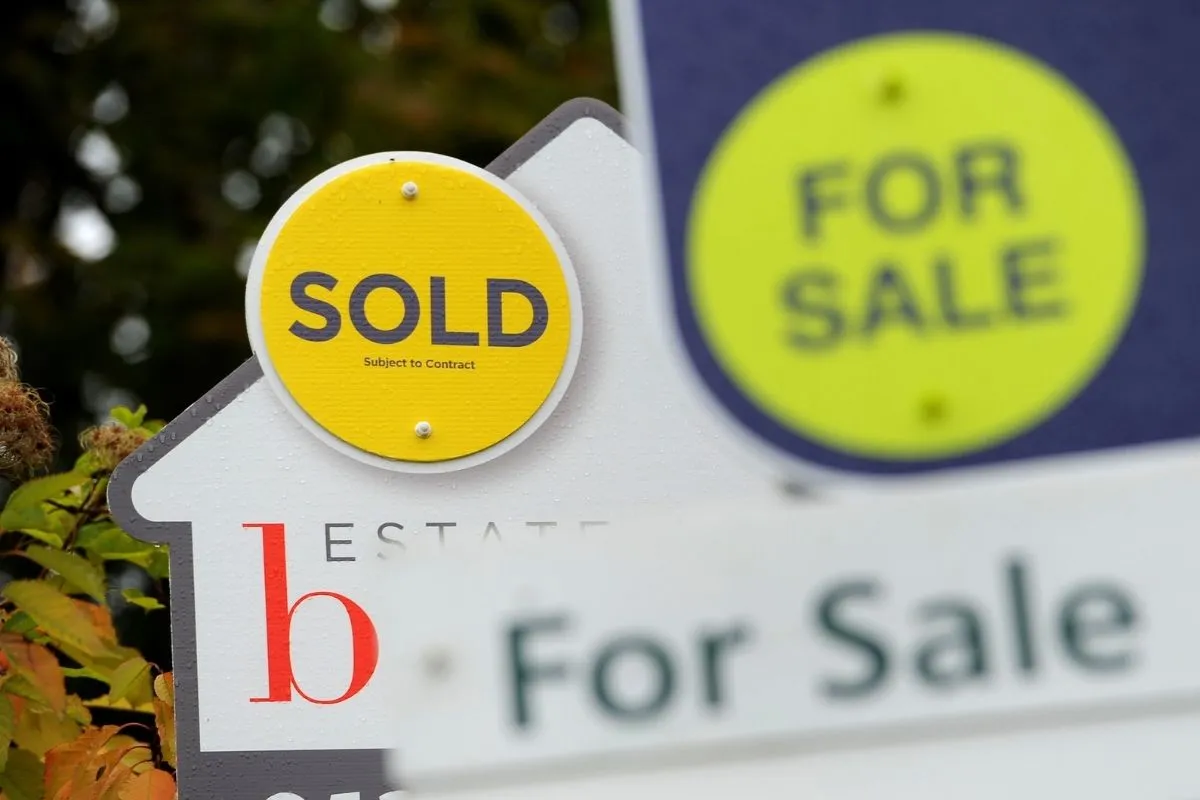
Mortgage holders are bracing for a “painful rise” in their repayments after the Bank of England tightened monetary policy for the first time since mid-2023.
The Bank’s Monetary Policy Committee raised interest rates by 0.25 percentage points, from 3.75 per cent to four per cent, in a bid to stop inflation spiralling out of control amid the ongoing conflict in the Middle East. The base rate — the rate at which the Bank lends to commercial banks, and the benchmark that tracker mortgages follow by design — is one of the most direct levers on borrowing costs across the economy. The decision will deepen the squeeze on homeowners already struggling with rising bills, as higher borrowing costs feed through to mortgage payments.
Around 2.3 million households are due to come off fixed-rate deals by the end of 2027 and could face higher bills when they come to remortgage. The majority of those borrowers secured their deals during periods of low rates, meaning monthly repayments could rise by hundreds of pounds. For that group, the vote matters less as an overnight payment shock than as a sign of what their next deal will cost — a calculation that repeats with every fix expiring between now and the end of 2027.
Polling by City AM / Freshwater Strategy found 29 per cent of people believed they would be unable to afford the rise in bills that would follow an increase in mortgage costs.
According to Moneyfacts, the average two-year fixed mortgage rate stood at 5.87 per cent at the beginning of November, while the average five-year fix was at six per cent. Fixed mortgage rates are largely shaped by financial markets’ expectations of future interest rates and do not reflect immediate shifts in the base rate. However, with all members of the Monetary Policy Committee voting for a hike, the hawkish outcome may push fixed rates up as lenders price in the prospect of a higher rate regime.
“For mortgage holders, today’s decision will add to the pressure on household finances, particularly…those approaching the end of a fixed rate deal,” said Alexandra Loydon, group advice director at St James’s Place. “With household budgets already stretched, even a small increase in monthly repayments could add to financial pressures.”
Tracker mortgage woes
The small number of households on tracker mortgages can expect a near-immediate rise in repayments, as the products follow fluctuations in the Bank’s central rate. Tracker mortgage holders face a £30.72 monthly increase to their repayments, according to UK Finance.
Financial advisers said that while the sharp rise can be painful in the short term, borrowers willing to hold on until rates come down again could secure a better deal in the long run.
Samuel Mather Holgate, managing director of advice firm Mather & Murray Financial, said: “For borrowers who can tolerate some uncertainty, a tracker mortgage could prove considerably better value, particularly if inflation pressures ease.”
But David Hollingworth, associate director of L&C Mortgages, said there is “no guarantee that rates don’t keep on climbing”, warning borrowers to take on a tracker mortgage only if they can handle the financial uncertainty. Both advisers pointed to the same variable for the months ahead — the path of inflation — as the swing factor in whether a tracker taken today ultimately proves better value.
Variable deals
Meanwhile, those on a standard variable rate (SVR) deal, where the rate is set at the lender’s discretion, could also face higher repayments.
John Fraser-Tucker, head of mortgages at Mojo Mortgages, warned that letting a mortgage roll onto an SVR could “easily be the most expensive mistake a borrower could make right now”.
Roughly 470,000 deals sit on SVR, and if lenders pass on the 0.25 percentage point increase in full, the average homeowner will see monthly repayments climb by £14.28.
“The rate rise is likely to mean people with variable rate mortgages see another painful rise in their outgoings, so will need to find savings elsewhere,” said Sarah Coles, head of personal finance at AJ Bell. “This is easier said than done, because prices have already been climbing, particularly at the pumps, and life is set to get harder in January, when a horrible hike in energy prices turns the screw on people’s budgets.”

