FTSE 100 Hits Record High as Bank of England Holds Rates at 3.75% Amid Middle East Tensions
Key Takeaways
- •The Bank of England maintained its benchmark interest rate at 3.75 percent following a 6-3 vote by the Monetary Policy Committee.
- •Three MPC members — Megan Greene, Catherine Mann, and Huw Pill — voted in favour of raising the base rate by 0.25 percentage points.
- •The think tank NIESR cautioned that inflation is likely to persist above the Bank's two percent target until 2029, even if hostilities subside and oil prices stabilise at $74 per barrel.
- •The FTSE 100 reached a new all-time record of 10,971, supported by strength in energy and financial stocks and a four per cent rise in Rolls-Royce shares.
- •Shell announced a substantial share buyback programme after its earnings were boosted by conditions tied to the Middle East conflict.
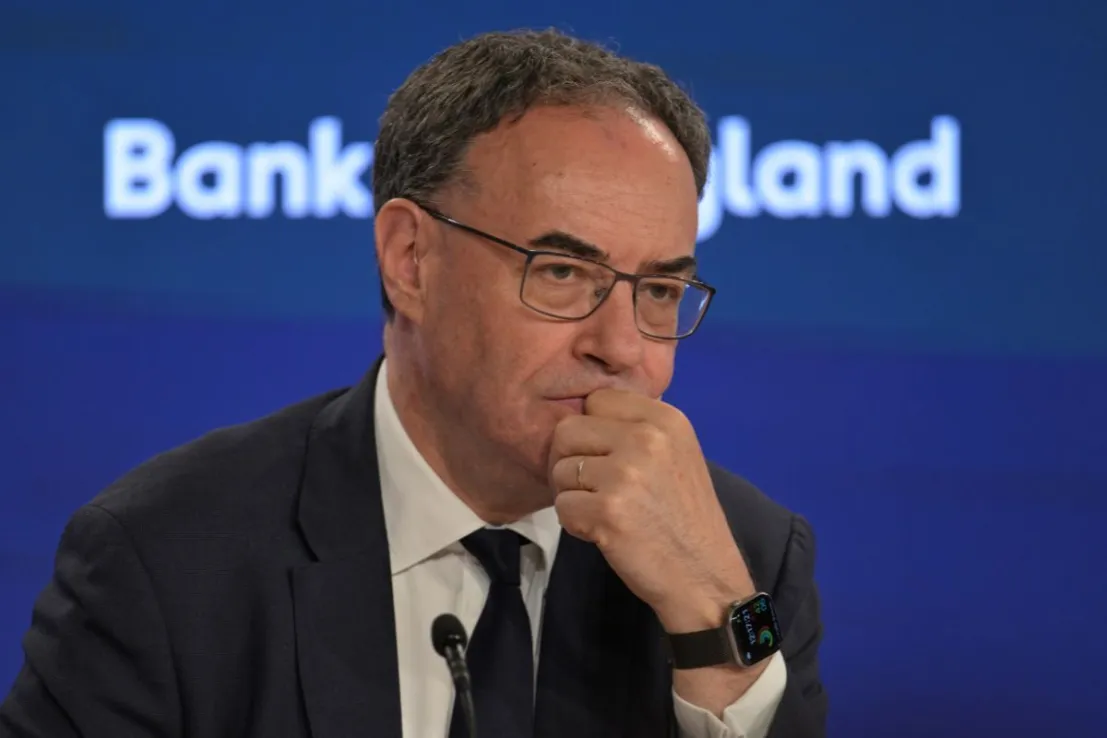
The Bank of England has held its benchmark interest rate at 3.75 per cent following a 6-3 vote by the Monetary Policy Committee (MPC), a decision widely expected by City analysts amid renewed inflationary pressures stemming from the latest escalation of hostilities in the Middle East. The split vote, with a sizeable minority of the nine-member committee pressing for tighter policy, reflects the delicate balance policymakers face between anchoring inflation expectations and avoiding excessive drag on an already sluggish UK economy.
Three MPC members — Megan Greene, Catherine Mann, and Huw Pill — voted in favour of a 0.25 percentage point increase to the base rate.
The Bank continues to grapple with elevated and persistent inflation, driven largely by a surge in energy prices linked to the ongoing conflict involving Iran. In a report released this week, the independent think tank NIESR warned that inflation would likely remain above the Bank's two per cent target until 2029, even under a benign scenario in which hostilities subside and oil prices stabilise at $74 per barrel.
Despite the geopolitical uncertainty, the FTSE 100 extended its gains, trading up 0.1 per cent after reaching a new all-time record of 10,971 on Wednesday. The index's heavy weighting in energy majors and financial stocks — segments that tend to benefit directly from higher commodity prices and elevated interest rates — has historically given it a degree of insulation from the very price shocks that weigh on consumer-facing sectors. The blue-chip index was lifted by a four per cent rise in Rolls-Royce shares, after the engineering group raised its targets following a near-50-per-cent jump in operating profit.
UK investors appeared to shrug off the latest flare-up in Middle East tensions. Overnight, the United States launched a series of strikes against Iran after President Donald Trump told Fox News that he would give Tehran "a beating" in response to what he described as "surprise" attacks on US forces deployed in the region.
In early corporate news, Lloyds Banking Group reported profits that exceeded market expectations and signalled further cost-cutting measures. Meanwhile, Shell announced a substantial share buyback programme following earnings bolstered by conditions tied to the Middle East conflict.
Oil prices continued their upward trajectory as the US resumed heavy military strikes on Iran, reinforcing concerns over energy supply stability. The trajectory of energy costs remains the key variable for both the MPC and markets: sustained upward pressure would keep the Bank's inflation challenge front and centre, while any de-escalation could shift the policy calculus ahead of the next committee meeting.

