Bakari Sellers Ridicules Scott Jennings' Biden Blame as Republicans Scrub Trump From Campaign Websites
Key Takeaways
- •Scott Jennings argued on CNN that former President Biden inherited most of the country's cost-of-living problems and that inflation largely normalized.
- •Bakari Sellers countered that voters prioritize everyday expenses like utilities, prescription drugs, gasoline, and groceries over aggregate economic indicators.
- •Anderson Cooper pointed out that Jennings was making the same argument the Biden administration used, that conditions are better than people feel.
- •Sellers cited competitive races in traditionally Republican states such as Iowa and Kansas, along with Republican pullbacks in North Carolina, as evidence of voter frustration.
- •Republican candidates including Leigh Wambsganss and Rep. Byron Donalds have removed Trump's name from their campaign websites, with Wambsganss also deleting the word 'Republican.'
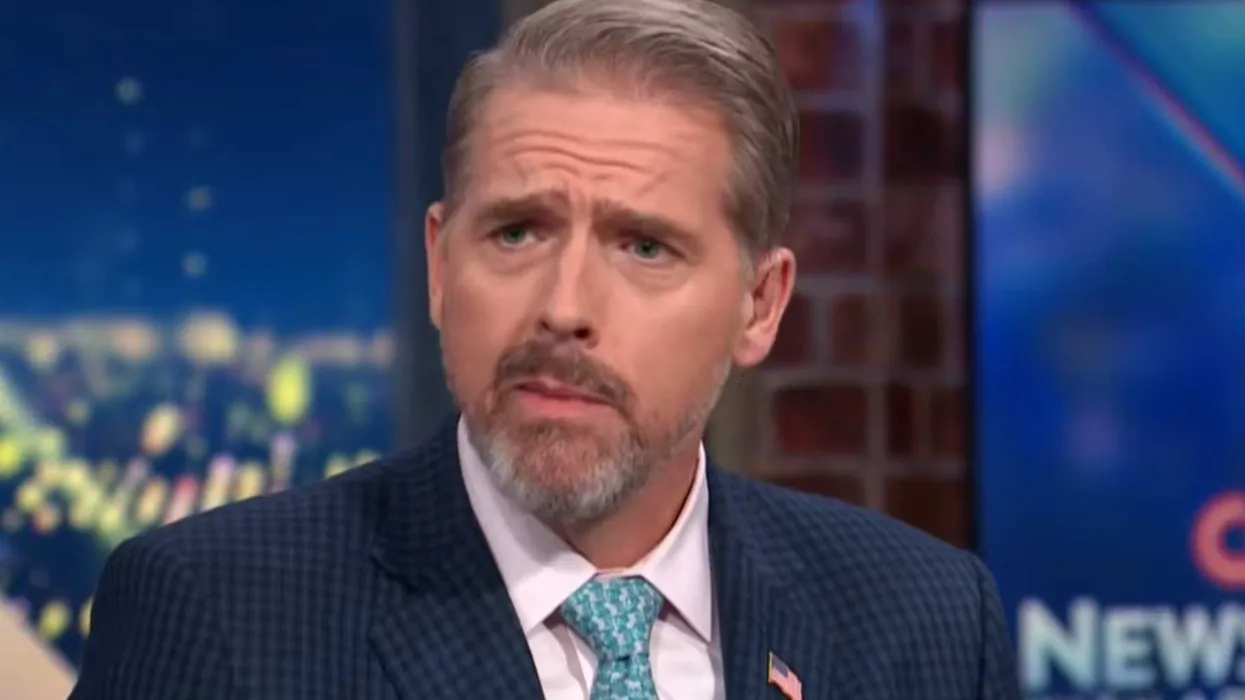
Former South Carolina lawmaker and CNN political commentator Bakari Sellers made little effort to conceal his contempt on CNN anchor Anderson Cooper's Friday night program, as Republican pundit and CNN commentator Scott Jennings attempted to blame sluggish job growth and falling consumer sentiment on former President Joe Biden.
“His main problem is cost of living, and most of the cost-of-living problems that we're dealing with in the country, he inherited,” Jennings said, his remarks punctuated by snorts of derision from Sellers. “We still have a little bit of inflation, but it's largely normalized now. But most of the cost of living, he inherited it.”
Unperturbed, Jennings pressed on with the pivot to Biden, arguing that voters merely perceive the economy as worse than it actually is: “…Certainly to a lot of Americans, you know, when prices spike the way they did during Biden, even going up 2 percent or 3 percent over the last two years, it feels like tacking on even more problems to their lives.”
Cooper pointed out, however, that Trump is deep into the second half of his term, and that Jennings was making “the same one the Biden administration was making: That things are better than people feel” — casting the issue as a matter of messaging rather than substance.
“Scott Jennings sounds like a Democrat from two and a half years ago, to be completely honest with you,” Sellers responded. “…[Y]ou can talk about economic indicators. You can talk about the stock market. You can talk about GDP and these things. However, you have to realize that the average person who is sitting around a kitchen table around this time … [is] having to make the decision of whether or not they pay for their prescription drugs or pay their utility bills. The fact is, when they drive down the street, they see $5 a gallon at the gas station, or they see the price of eggs and milk skyrocketing. And for Republicans to simply sit here and say that the economic indicators are x, y, z, the American public is looking back at them and saying ‘I was born at night, but not last night.’”
“That's why you're having [red states] like Iowa being in contention, and places like Kansas being [in] contention,” Sellers added, referring to competitive races in what are normally Republican strongholds. “And that's why you see Republicans pulling out of places like North Carolina.” Those contests now double as a live test of Sellers' broader argument — that kitchen-table economics, not aggregate indicators, is what moves voters in traditionally safe territory.
The on-air clash came as a slate of Republican candidates, including state Senate hopefuls such as “Ultra-MA” conservative Leigh Wambsganss as well as Rep. Byron Donalds (R-Fla.), have been scrubbing President Donald Trump's name from their campaign websites. Wambsganss has gone a step further, removing the word “Republican” as well. The edits fit a familiar pattern in competitive campaigns, where candidates in both parties have long minimized public ties to national figures when the political climate turns unfavorable.
The full segment is available on YouTube: https://youtu.be/_E7ELssolAw

