aT delivers AI-powered consulting to flower farmers confronting climate challenges
Key Takeaways
- •aT and the Rural Development Administration held an AI-based consulting session for flower farmers at a rose farm in Jincheon, North Chungcheong Province.
- •The consulting used auction prices, shipment volumes, and trading data from aT's flower distribution center to advise on variety selection and shipment timing.
- •This year the program added AI data analysis, expanded from six to 12 participating farms, and extended coverage to major flower-growing regions nationwide.
- •aT plans to continue using AI to identify high-demand varieties and consumption trends while supporting region-specific specialty crops.
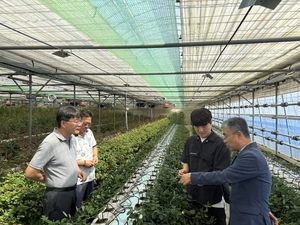
The Korea Agro-Fisheries & Food Trade Corp., better known as aT, said Monday that it held a consulting session combining artificial intelligence-driven analysis of flower auction data with expert cultivation guidance, aiming to help farmers cope with rising costs and unpredictable weather.
The session, held jointly with the Rural Development Administration on Friday at a rose farm in Jincheon, North Chungcheong Province, drew on auction prices, shipment volumes and trading data accumulated at aT's flower distribution center. Jincheon is home to one of South Korea's largest concentrated flower production complexes, making it a fitting site for a program designed to connect farm-level decisions with wholesale market signals. The RDA, the country's national agricultural research body, contributed the cultivation expertise, while aT brought the distribution-side data.
Based on that analysis, the agency advised farmers on selecting varieties and timing shipments to match demand, with the goal of shifting decisions from guesswork to data-backed strategy, aT said. The approach reflects a wider trend in agriculture, where governments and distributors are turning to data analytics to help growers adjust planting and shipment decisions amid volatile weather and shifting consumer demand for specific flower varieties.
One-on-one consulting also covered cultivation techniques such as seedling growth and fertilization, product preparation including sorting and packaging, and business strategy such as financial management and market-specific shipment planning.
aT and the RDA have run field consulting for flower farmers since 2025, focused on cultivation techniques and product quality. This year, the program added AI-based data analysis, expanded participating farms to 12 from six, and extended coverage to major flower-growing regions nationwide.
Going forward, aT plans to continue using AI to identify high-demand varieties and consumption trends while supporting region-specific specialty crops, part of a broader shift toward data-driven farmer support. Whether the program expands further will be one indicator of how quickly such public-sector AI tools move from pilot-stage consulting to routine infrastructure for the flower industry.
"We will keep expanding our AI-based support system so farmers can build strategies grounded in data rather than experience and intuition alone," an aT official said. "We'll keep strengthening the flower industry's competitiveness by connecting data from production through distribution."
