Apple Sues OpenAI and Former Employees Over Alleged Trade Secret Theft
Key Takeaways
- •Apple alleges that former employees Chang Liu and Tang Yew Tan illicitly transferred confidential company information to OpenAI after joining the AI firm.
- •Apple is requesting a preliminary injunction to prevent OpenAI from using the purported trade secrets while the litigation proceeds.
- •OpenAI has responded to the lawsuit by filing a motion to dismiss the case.
- •The legal dispute emerges amid OpenAI's expansion into consumer hardware, including a reported AI device collaboration with former Apple designer Jony Ive.
- •The case reflects a broader industry pattern of escalating legal battles over talent and intellectual property as AI companies compete for specialized hardware expertise.
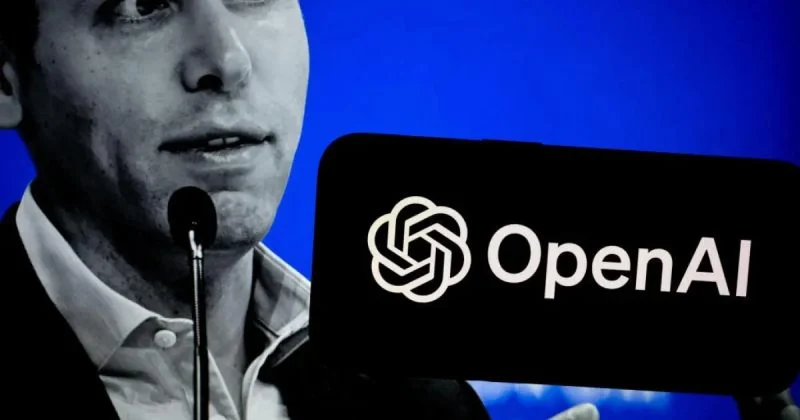
Apple has filed a lawsuit against OpenAI and two former Apple employees, Chang Liu and Tang Yew Tan, alleging the theft of trade secrets related to hardware and product information.
According to the lawsuit, Liu and Tan were involved in illicitly transferring confidential Apple information to OpenAI, where they now work. Apple contends that the transferred material could potentially aid OpenAI's consumer hardware initiatives, an area the AI company has been publicly exploring. OpenAI has reportedly been collaborating with former Apple design chief Jony Ive on a dedicated AI hardware device, adding another layer of sensitivity to allegations that confidential Apple product knowledge may have flowed to a competitor whose hardware ambitions directly intersect with Apple's domain.
Apple is seeking a preliminary injunction to prevent OpenAI from utilizing the alleged stolen secrets while the litigation is ongoing. The iPhone maker has a well-documented history of aggressively pursuing leak-related cases against former employees and other parties, including a high-profile 2012 lawsuit against a former manager for leaking product details.
OpenAI has responded by filing a motion to dismiss the suit.
The legal dispute comes as OpenAI continues to expand beyond its core software offerings into hardware development. The company, best known for its ChatGPT product, has signaled growing interest in building consumer hardware devices, making the allegations particularly significant. The case also reflects a broader pattern of intensifying legal battles over talent and intellectual property in the AI sector, where companies are competing aggressively for engineers and product specialists with specialized hardware expertise.
Apple, headquartered in Cupertino, California, is one of the world's largest technology companies by market capitalization and has long maintained strict confidentiality around its product development pipeline. Trade secret litigation is a tool the company has used repeatedly to protect proprietary information.
The case was reported by CryptoBriefing on August 8, 2026.
The outcome of the lawsuit and any resulting injunction could have implications for OpenAI's hardware ambitions. Market prediction platform Vera has noted that pricing for OpenAI's potential valuation reflects current uncertainty, with odds at approximately 8% for the company reaching a $2.5 trillion valuation by December 31.
Observers will be watching for further legal developments, including court rulings on Apple's injunction request and OpenAI's motion to dismiss, as well as any public statements from either company regarding the litigation.

