Anthropic Seeks Chip Supplies from SK Hynix for In-House Semiconductor Ambitions, Says SK Group Chair
Key Takeaways
- •Anthropic has formally requested memory chip supplies from SK Hynix to support the development of its own semiconductors, as revealed by SK Group Chairman Chey Tae Won at a San Francisco AI event.
- •SK Hynix is a leading global producer of DRAM, NAND flash, and high-bandwidth memory chips that are critical components in advanced AI accelerators sold by companies such as Nvidia.
- •Anthropic currently depends on cloud infrastructure and third-party processors, with Amazon Web Services serving as its primary cloud partner and a major investor.
- •The potential move into custom chip production would place Anthropic alongside Google, Meta, and Microsoft, all of which have invested in purpose-built AI silicon to gain greater control over the compute pipeline.
- •The disclosure occurred during South Korean President Lee Jae Myung's visit to Silicon Valley, where several technology partnerships between Korean firms and U.S. companies were announced.
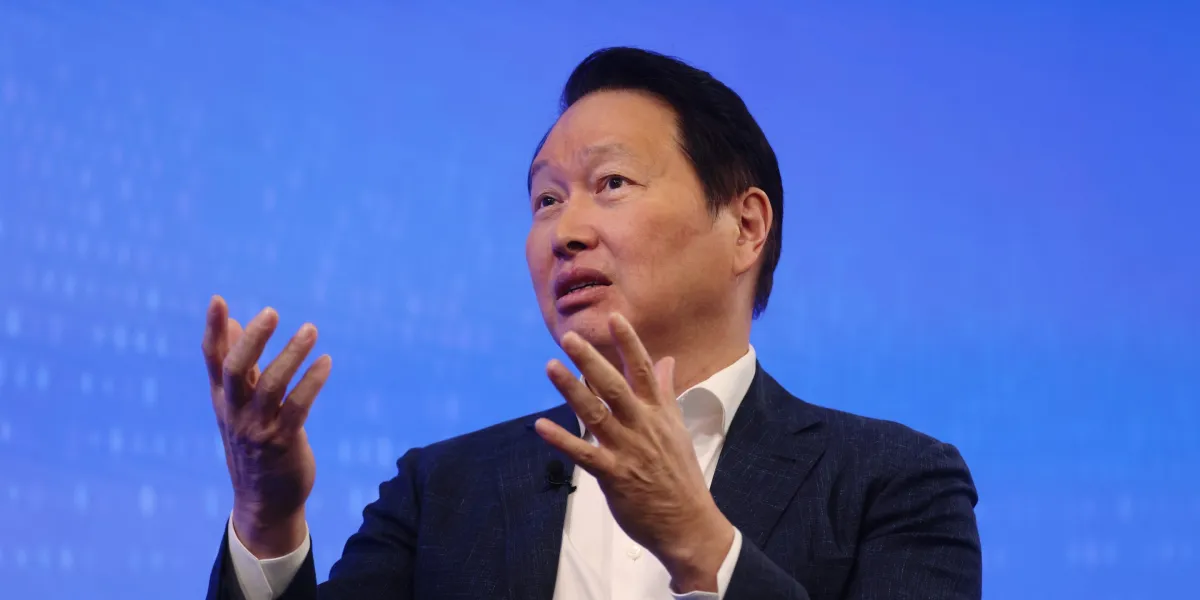
Anthropic PBC has approached SK Hynix Inc. — one of the world's largest memory chip manufacturers — requesting supplies to support the production of its own semiconductors, according to SK Group Chairman Chey Tae Won.
Chey made the disclosure while appearing on stage alongside Anthropic Chief Executive Officer Dario Amodei and other technology executives at an artificial intelligence event in San Francisco. He characterized it as notable that an AI software developer would pursue its own chipmaking ambitions.
SK Group, the South Korean conglomerate chaired by Chey, controls SK Hynix, a leading global producer of dynamic random-access memory (DRAM) and NAND flash memory. SK Hynix has also become a critical supplier of high-bandwidth memory (HBM) chips used in advanced AI accelerators, including those sold by Nvidia Corp., where tight HBM supplies have been a recurring constraint on accelerator availability.
Anthropic, best known for its Claude family of large language models, currently relies on cloud infrastructure and third-party processors to train and run its AI systems. The company's primary cloud partner is Amazon Web Services, whose parent Amazon.com Inc. has invested billions in Anthropic; AWS has itself been developing custom AI silicon under its Trainium and Inferentia lines. Other major AI platform companies — including Alphabet Inc.'s Google, Meta Platforms Inc., and Microsoft Corp. — have similarly invested in purpose-built AI chips, reflecting an industry-wide push by leading AI developers to gain more control over the compute pipeline from silicon through to model training and inference.
Anthropic's apparent interest in sourcing materials for in-house chip development would extend that trend to a company that has so far operated primarily as a software and model developer.
Chey's appearance in San Francisco coincides with a visit by South Korean President Lee Jae Myung to Silicon Valley, where the president convened an AI summit. Several technology partnerships have been announced in connection with Lee's trip, including collaborations between Nvidia and South Korean firms Naver Corp. and SK Group.

