UK planning reforms could blight high streets with empty pubs, property experts warn
Key Takeaways
- •Developers would need to prove a pub has been listed for sale for at least 12 months before converting it to housing or office use under the revised planning rules.
- •Real Estate UK warned the new requirement could leave empty or decaying pubs on high streets and town centres for longer.
- •Property lawyers said the policy could turn struggling pubs into stranded assets and slow regeneration projects where a return to pub use is unlikely.
- •Pubs in England already require planning permission for most conversions, and communities can also nominate them as assets of community value.
- •Hospitality leaders welcomed stronger protection for pubs but said tax rises, including business rates and employer national insurance, remain a bigger burden for the sector.
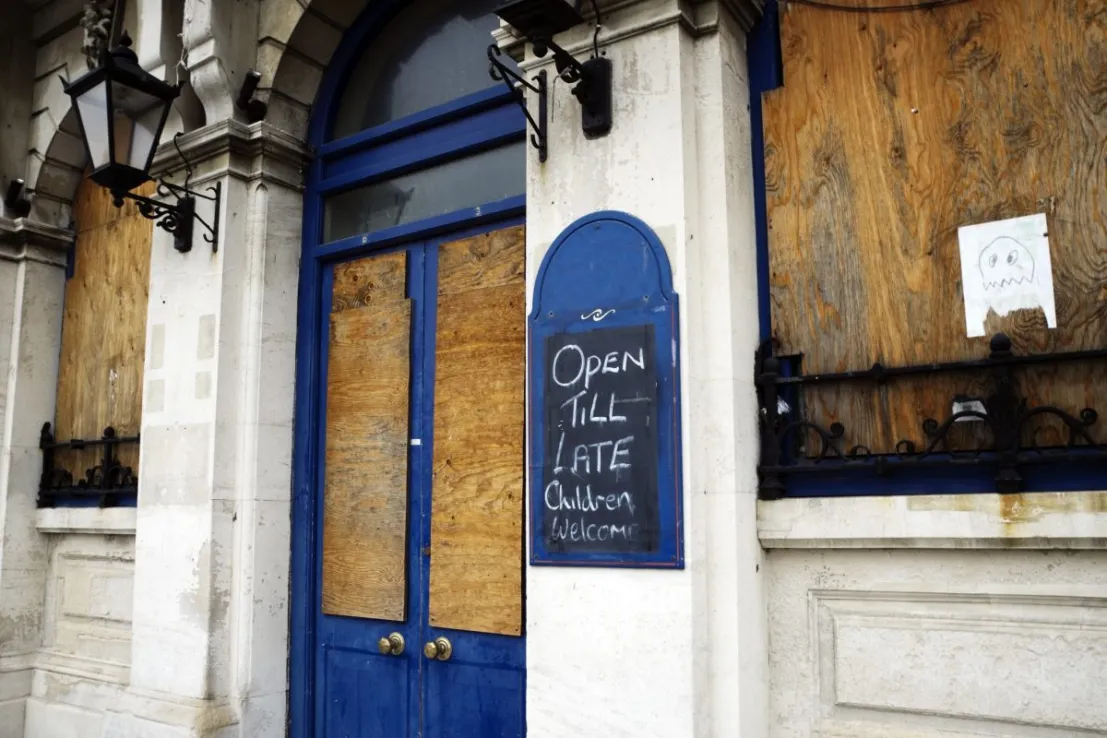
Property experts have warned that Angela Rayner's attempt to stop pubs being redeveloped into offices and housing could "blight high streets" with empty venues.
The housing secretary, who is also deputy prime minister, has unveiled reforms to planning rules under which developers may turn a pub into housing or an office only if there is no reasonable prospect that it can continue running. The new rules, set out in the updated National Planning Policy Framework (NPPF), the government's rulebook for planning decisions in England, also require developers to provide proof that the pub has been listed for sale for at least 12 months.
Real Estate UK, which represents the country's property investors and developers, has warned that the new rules could backfire. Ion Fletcher, the organisation's policy director, cautioned that forcing developers to wait a year for pubs to sit on the market could burden town centres with empty venues.
"A blanket 12-month ban on redevelopment means pubs that have fallen empty or into disrepair could blight high streets and town centres and delay the delivery of homes and the amenities communities need," Fletcher said.
"Developers don't close pubs, unsustainable costs close pubs, even where there is community support."
The warning touches a central goal of government policy: ministers have set a target of 1.5 million new homes over this parliament, and the same planning overhaul is intended to speed up housebuilding.
Other property experts warned that burdening local communities with more signs of closure and decay could undermine Greater Manchester mayor Andy Burnham's efforts to rejuvenate Britain's high streets.
Pubs risk becoming 'stranded assets'
Nick Leavey, a property lawyer at Morr & Co, said: "These proposals could have the unintended consequence of turning struggling pubs into stranded assets.
"If a pub is no longer commercially viable but the owner cannot readily sell or redevelop it for another use, you risk being left with an empty building rather than a thriving community pub."
James Clark, a head of planning at law firm Foot Anstey, said developers may also argue that the 12-month requirement risks "delaying regeneration projects when there is little realistic prospect of a facility returning to its former use".
Pubs in England already sit behind a layer of safeguards: planning permission has been required to convert a pub to most other uses since permitted development rights were withdrawn in 2017, and communities can nominate venues as "assets of community value" under the Localism Act 2011, a status that pauses a sale for up to six months while a local bid is prepared. Campaigners, including the Campaign for Real Ale (Camra), have long argued such measures were too weak to halt the long-term decline in pub numbers.
Hospitality sector welcomes protection but flags tax burden
Hospitality figures welcomed the government's attempt to protect pubs, but warned that recent tax hikes – such as business rates and national insurance – are posing more of a burden to the industry. The rise in employer national insurance contributions announced in the October 2024 budget, which took effect in April 2025, has drawn particular criticism from pub operators.
Allen Simpson, chief executive of UK Hospitality, said: "Anything that makes it harder to take these important assets away from their communities has to be welcomed, but the government should focus on continuing its strong start on fixing the harm done to hospitality over the past two years."
A government spokesperson said: "We're strengthening protections for pubs by making it far tougher to close them or convert them into other uses.
"We're also backing the hospitality sector with a 20% cut to business rates for pubs, a tax break on poured pints and a cap on corporation tax."
How the tests work in practice will become clear as the updated framework is carried into local plans and individual planning decisions, where questions over what counts as "no reasonable prospect" of a pub surviving will be settled.

