Algae research could more than double rare earth concentrations
Key Takeaways
- •China mines about 60% of global rare earth supply and processes roughly 90%, making supply-chain diversification a U.S. national security priority.
- •The SIU team found that algae increased rare earth concentration by more than twofold in a laboratory mini-river setup.
- •Researchers recovered the rare earth elements using a patented process that breaks down the algae after extraction.
- •The remaining algae may have value as agricultural bio-stimulants or as feedstock for biodiesel.
- •The researchers are testing additional algae species and preparing a National Science Foundation proposal to expand the work.
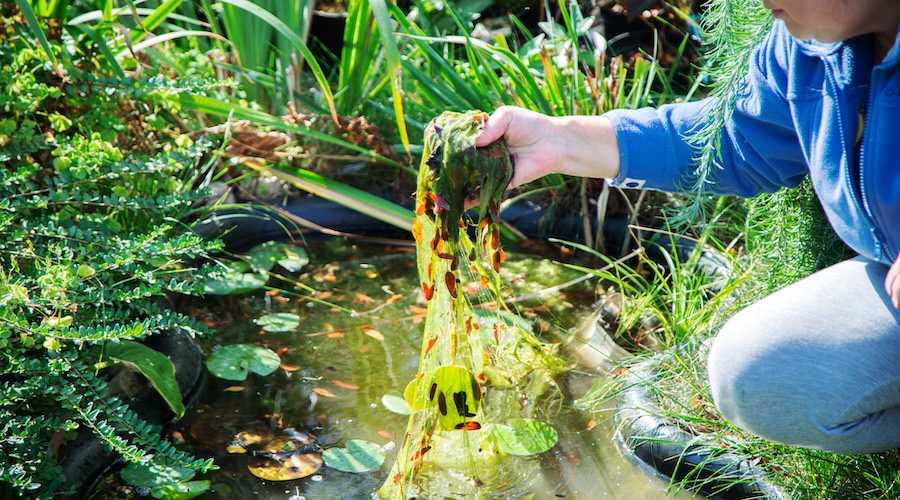
Scientists at Southern Illinois University have found that algae can more than double the concentration of rare earth elements, pointing to a possible alternative to chemical-intensive processing as the United States works to strengthen domestic critical mineral supply chains.
As governments race to secure domestic rare earth supply chains, improving how the metals are concentrated and processed has become as important as finding new deposits. Researchers in Canada have been trying to pull copper from algae. Researching a new copper source in algae is one example of that broader effort.
At the SIU campus in Carbondale, Illinois, graduate geology student Kristina Kohl said many people still associate rare earths with consumer electronics, overlooking their importance in defence technologies.
“A lot of people think of electronics when it comes to rare earth,” Kohl said. “They don’t realize how big of a role they play in producing equipment for our national defence systems.”
China dominates the rare earth industry, mining about 60% of global supply while processing and separating roughly 90%. The U.S. is the second-largest producer, with operations in California and Georgia, and Washington has identified reducing dependence on Chinese supply chains as a national security priority. That makes any method that can improve concentration before refining, or recover metals from lower-grade material and waste streams, especially relevant as new mines often face long development timelines.
Mini-river test
To test the extraction method, microbiologist Scott Hamilton-Brehm and his team built a miniature river system using a 50-gallon (189-litre) trough, circulating pumps and LED lighting to simulate flowing water and sunlight.
Geologists added finely ground rare earth-bearing rock before introducing microalgae into the water.
Laboratory analysis showed that the algae not only absorbed the rare earth elements but increased their concentration by more than twofold through a mechanism the researchers do not yet understand.
Research
“When we received the analysis from the state lab, it became evident that the algae did interact with the rare earth,” Hamilton-Brehm said. “We don’t know how. We don’t know why. We’re going to have to figure it out.”
The team then recovered the rare earth elements using a patented process that breaks down the organic material. The remaining algae could be used as agricultural bio-stimulants or processed into biodiesel, creating additional value while reducing waste.
The technique could also reduce reliance on conventional processing methods that use chemicals such as sulfuric acid to dissolve surrounding minerals. Because rare earth elements are also found in coal ash, mine waste and electronic scrap, the process may eventually provide a cleaner way to recover critical minerals from secondary sources while helping remediate waste streams.
Researchers are now testing additional algae species to determine whether they further increase rare earth concentrations and are preparing a proposal to the National Science Foundation to expand the work. Hummer said the project demonstrates the value of interdisciplinary research, bringing together geology and microbiology to address challenges in critical mineral development.
Crypto volcano
Researchers are also evaluating Hicks Dome in Hardin County, Illinois, as a potential domestic source of rare earth elements.
Associate professor Daniel Hummer said the site is a crypto volcano where magma that failed to reach the surface formed mineral-rich intrusions and deposited additional rare earths in surrounding breccia through hot, mineral-bearing fluids.
The work highlights how previously overlooked deposits could become more attractive if extraction costs and environmental impacts can be reduced.

