Alexis Wilkins loses first legal round in defamation fight over 'honey-pot' claims
Key Takeaways
- •A federal judge in Utah dismissed Alexis Wilkins' $5 million defamation lawsuit against former Republican Senate candidate Sam Parker on personal-jurisdiction grounds, without deciding whether his statements were actually defamatory.
- •The dismissed suit stemmed from a viral X thread, viewed more than 1.6 million times and never deleted, in which Parker alleged Wilkins was an undercover Israeli "honey-pot" assigned to manipulate FBI Director Kash Patel.
- •Wilkins has filed additional defamation suits against former FBI agent turned podcaster Kyle Seraphin, conservative influencer Elijah Schaffer, and MS NOW, with the MS NOW case seeking at least $75,000 over a report about her alleged use of an FBI security detail.
- •As a public figure, Wilkins must meet the Supreme Court's 1964 New York Times v. Sullivan standard, showing that false statements were published knowingly or with reckless disregard for the truth.
- •MS NOW's lawyers have moved to dismiss or transfer her suit by arguing Tennessee courts lack personal jurisdiction over the network, while Patel has separately sued The Atlantic over reporting on his alleged erratic workplace behavior.
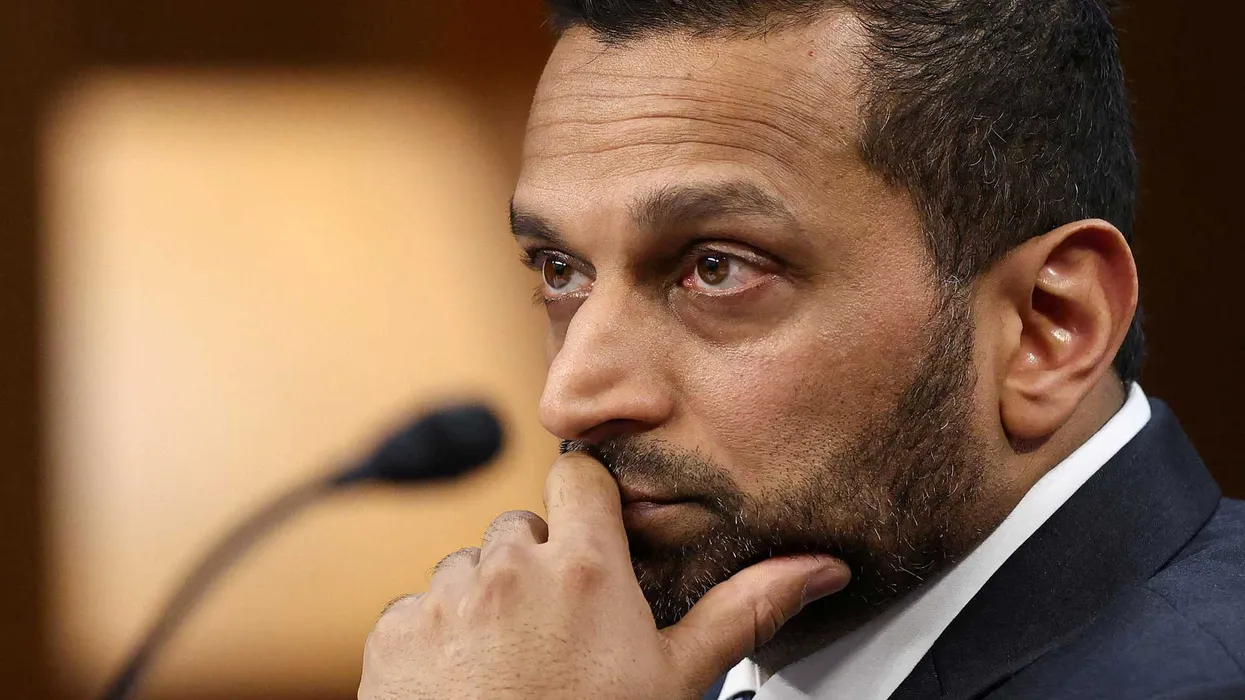
Country singer Alexis Wilkins, the girlfriend of FBI Director Kash Patel, has lost her first legal battle in a wide-ranging defamation campaign against right-wing figures who have accused her of being a foreign agent sent to compromise the nation's law enforcement.
A federal judge in Utah ruled against Wilkins this week in her $5 million lawsuit against former Republican Senate candidate Sam Parker, dismissing the case on jurisdictional grounds rather than deciding whether Parker's claims were actually defamatory, The Daily Beast reported. Rulings on personal jurisdiction address where a defendant can be sued, not the truth of the statements at issue, and dismissals on those grounds generally leave a plaintiff free to pursue the same claims in a court that does have jurisdiction over the defendant.
Wilkins, 27, sued last fall over a viral X thread — viewed more than 1.6 million times and never deleted — in which Parker suggested she was an undercover Israeli "honey-pot" assigned to manipulate Patel. The ruling went largely unnoticed until Court Watch first reported it Friday. Neither Parker nor Wilkins has commented publicly.
The Utah case is just one front in a broader legal offensive. Wilkins has filed similar defamation suits against Kyle Seraphin, a former FBI agent turned podcaster, and conservative influencer Elijah Schaffer over comparable foreign-agent allegations. She is also suing MS NOW over a report claiming she asked her FBI security detail to chauffeur friends home after nights out in Nashville. As a public figure, Wilkins also carries a heavy burden on the merits of any defamation claim: under the Supreme Court's 1964 New York Times v. Sullivan decision, she would need to show that false statements were published knowingly or with reckless disregard for the truth.
That MS NOW lawsuit, which seeks at least $75,000, could face the same jurisdictional hurdle that sank the Utah case. MS NOW's lawyers have already moved to dismiss or transfer the suit, arguing that Tennessee courts lack personal jurisdiction over the network.
Wilkins' attorneys dispute the MS NOW story outright, arguing that she did not have a security detail at the time of the alleged incidents and does not drink alcohol, making the reported "night of partying" impossible. MS NOW reporters Carol Leonnig and Ken Dilanian, both named in the suit, have stood by their anonymous sourcing.
Patel himself has sued The Atlantic over separate reporting that details his alleged erratic workplace behavior and paranoia over losing his job.
