Alaska's Tightening Senate Race Signals Broader Risk to GOP Majority, Analyst Says
Key Takeaways
- •Polls show Alaska's 2026 Senate race is narrowly contested, with Republican Sen. Dan Sullivan leading in some surveys and Democrat Mary Peltola leading in others.
- •Alaska voters approved ranked-choice voting and open top-four primaries in 2020, the system under which Peltola won two House races before losing her seat in 2024 to Republican Nick Begich.
- •Sullivan's central attack argues that electing Peltola would give Senate Democrats hostile to Alaskan oil drilling control of the chamber, while Peltola cites her support for development including the Willow project.
- •More than half of Alaska's voters are unaffiliated despite Republicans outnumbering Democrats two-to-one in registration, enabling unexpected outcomes.
- •Brownstein argues the close Alaska race signals trouble for GOP Senate candidates in other red-leaning states such as Ohio, Iowa, Texas and North Carolina.
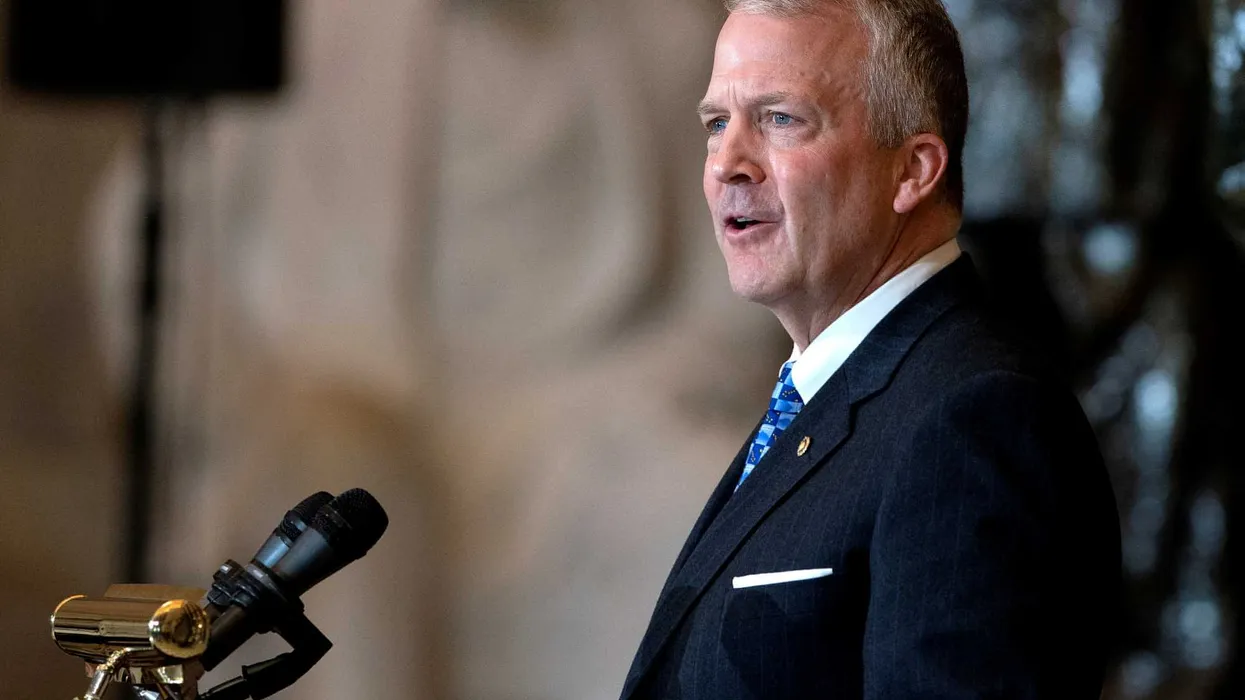
Alaska is so reliably Republican that a Democrat has not carried the state in a presidential election since Lyndon B. Johnson's victory over GOP Sen. Barry Goldwater in 1964. Yet polls show Alaska's 2026 U.S. Senate race is surprisingly close — with incumbent Sen. Dan Sullivan slightly ahead in some surveys and Democratic nominee Mary Peltola slightly ahead in others. According to Bloomberg News' Ronald Brownstein, if a statewide victory is genuinely in play for Democrats in Alaska, that is a bad sign for the GOP in the midterms.
"Democrat Mary Peltola has many things breaking her way in her bid to unseat Republican Sen. Dan S. Sullivan in Alaska," Brownstein writes in a Bloomberg opinion column. "But Sullivan has one big thing working for him. Whether that's enough will likely determine whether he wins reelection — while also offering clues about the fate of other red-state Republican senators this year. Alaska is vast, sparsely populated and reliably Republican in federal races. Since entering the union in 1959, the state has elected only four Democrats to the Senate, and just one since 1980. But Alaska also has a quirky side."
Brownstein adds, "Although twice as many voters are registered as Republicans than as Democrats, more than half are unaffiliated. That can produce unexpected outcomes, as in 2022, when Peltola won a special election to succeed longtime Republican Rep. Don Young, who died in office. Peltola went on to win a full term that November."
That 2022 breakthrough was itself shaped by a quirk of Alaska's electoral system: voters in 2020 approved a ballot measure replacing party primaries with an open top-four primary and ranked-choice general elections, the system under which Peltola, a former state lawmaker and the first Alaska Native elected to Congress, won both of her House races. Peltola later lost her House seat in 2024 to Republican Nick Begich, making her 2026 Senate bid a comeback attempt. Sullivan, first elected to the Senate in 2014, is seeking his third term.
One of the main issues Sullivan is using to attack Peltola, Brownstein notes, is oil — an issue with outsized political weight in a state where petroleum revenues have long been central to the budget and to the dividend paid annually to residents from the Alaska Permanent Fund. Peltola is on the record as a supporter of oil drilling in her state, but in a debate, Sullivan argued, according to Brownstein, that "electing her would tip Senate control to Democrats hostile to Alaskan drilling."
"Peltola emphasized her personal commitment to oil development — including convincing former President Joe Biden to approve a massive ConocoPhillips project in Willow, Alaska," Brownstein observes. "But mostly, she seemed unsure how to respond. She never offered a clear rebuttal to his central claim — that electing her would inexorably 'empower' Senate liberals out of touch with Alaska. Sullivan tethered that argument to oil development. But versions of it, connected to different local concerns, are also available to Republican Senate candidates facing tough races in other red-leaning states, including Ohio, Iowa, Texas and North Carolina."
Brownstein continues, "Raising alarms about a Democratic-controlled Senate probably won't save all those GOP candidates. But inflaming the doubts red-state voters hold about the national Democratic Party may be the best chance for Senate Republicans to avoid the worst in a year that has already chilled their prospects far beyond Alaska."
