Broad Bipartisan Opposition to AI Data Centers Poses Political Risk for Trump, CNN Analyst Warns
Key Takeaways
- •Seventy percent of Americans oppose constructing AI data centers in their local communities, with opposition remaining remarkably steady across partisan, geographic, and demographic groups.
- •President Donald Trump continues to publicly support AI data center construction and has minimized concerns about environmental and community impacts.
- •Major U.S. technology companies such as Microsoft, Google, Amazon, and Meta have pledged hundreds of billions of dollars toward expanding domestic data center infrastructure for generative AI workloads.
- •By a margin of 78 percent to 21 percent, voters prefer building AI infrastructure slowly to address local concerns rather than quickly to maintain a technological edge over countries like China.
- •A majority of Americans across all political affiliations—63 percent of Republicans, 74 percent of Democrats, and 75 percent of independents—consider AI development to be bad for society.
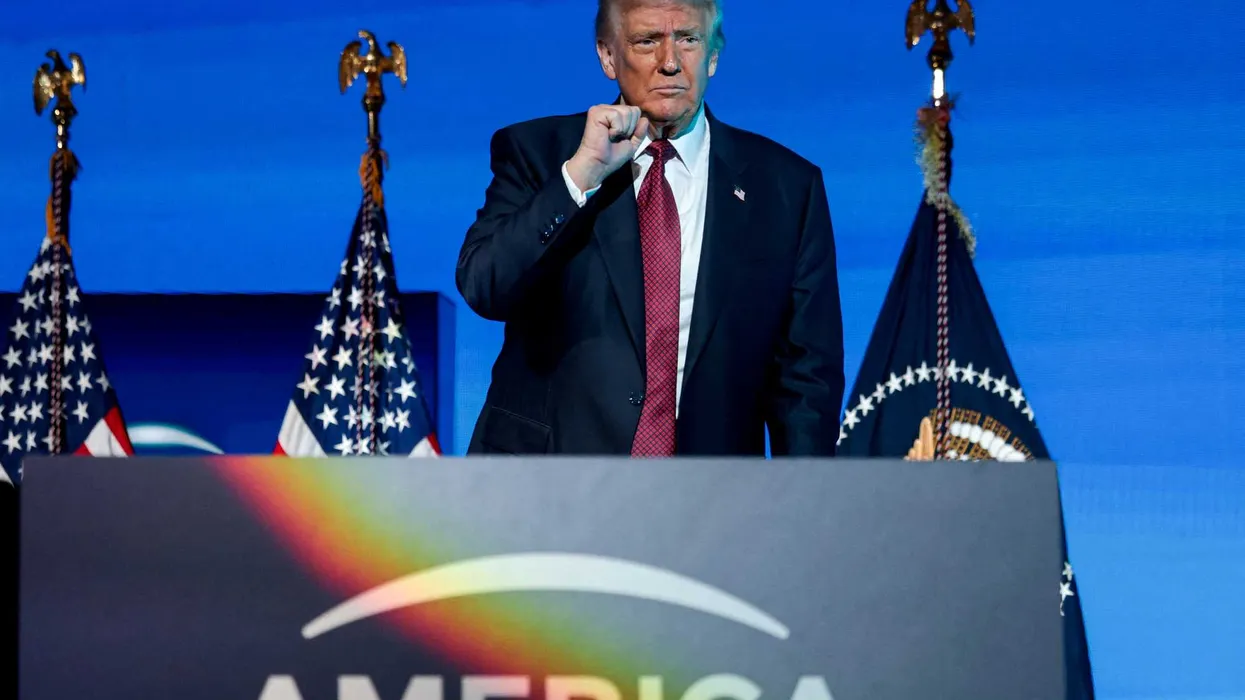
Opposition to AI data centers has emerged as one of the few issues in American politics that unites voters across party lines, geography, and ideology, according to CNN senior data analyst Harry Enten. President Donald Trump, however, continues to publicly back the construction of such facilities and has downplayed concerns about their environmental and community impact.
The political fault line comes as the largest U.S. technology companies — including Microsoft, Google, Amazon, and Meta — have committed hundreds of billions of dollars to expanding domestic data center capacity to support generative AI workloads. These facilities demand far more electricity and water than conventional cloud infrastructure, straining local power grids and drawing scrutiny from utilities, environmental regulators, and community groups in states such as Virginia, Texas, and Georgia where data center construction has clustered.
Voter anxiety over artificial intelligence and the large-scale data centers the technology demands has risen sharply. Enten cited polling showing 70 percent of Americans oppose building AI data centers in their local areas.
"I'm not talking about the facts here, whether it's a good idea or a bad idea," Enten said. "Just this is how people feel about it, and it's pretty clear."
That opposition holds remarkably steady across demographic and political groups that rarely find common ground. Roughly three in five Republicans oppose local data center construction, as do 63 percent of urban residents. Rural Americans and Democrats are even more opposed, at 75 percent and 76 percent, respectively.
"There is no debate when it comes to where people stand on AI and data centers," Enten said. "You rarely see this type of agreement."
When voters were asked whether AI infrastructure should be built "slowly to address local concerns" or "quickly to maintain a tech edge over" countries such as China, they chose the slower approach by a nearly 4-to-1 margin — 78 percent to 21 percent. Enten noted that this preference spans "all of the different political and demographic groups." The result highlights a tension in U.S. AI policy, where federal officials in both the Biden and Trump administrations have framed domestic infrastructure buildout as essential to preserving a competitive advantage against Beijing, even as polls show the public prioritizing local safeguards over speed.
A broader survey question on whether AI development itself is "bad for society" similarly produced unusual cross-partisan consensus. Sixty-three percent of Republicans, 74 percent of Democrats, and 75 percent of independents said yes, alongside 70 percent of Americans overall.
"The electoral politics of this are very, very clear," Enten said. "AI and data centers are, simply put, electoral poison."
Source: Raw Story | Related: The New York Times

