Todd Blanche Faces Potential Sanctions as Federal Judge Orders Hearing Over Epstein Document Compliance
Key Takeaways
- •Todd Blanche was sworn in as Attorney General shortly before a scheduled court appearance before Judge Emmet Sullivan regarding his handling of the Jeffrey Epstein document litigation.
- •Blanche must defend his refusal to produce documentation supporting his assertion that certain redacted names in published documents belong to Epstein victims rather than perpetrators.
- •Judge Sullivan has ordered Blanche to produce underlying FBI interview notes or provide a legal explanation for withholding them.
- •Blanche is expected to address his timeline for complying with an Epstein Act provision requiring written justifications for all redactions to be published in the Federal Register and submitted to Congress.
- •A federal judge in Florida has already referred Blanche to a bar grievance committee, which former U.S. Attorney Joyce Vance cited as evidence of a pattern of disregard for judicial authority.
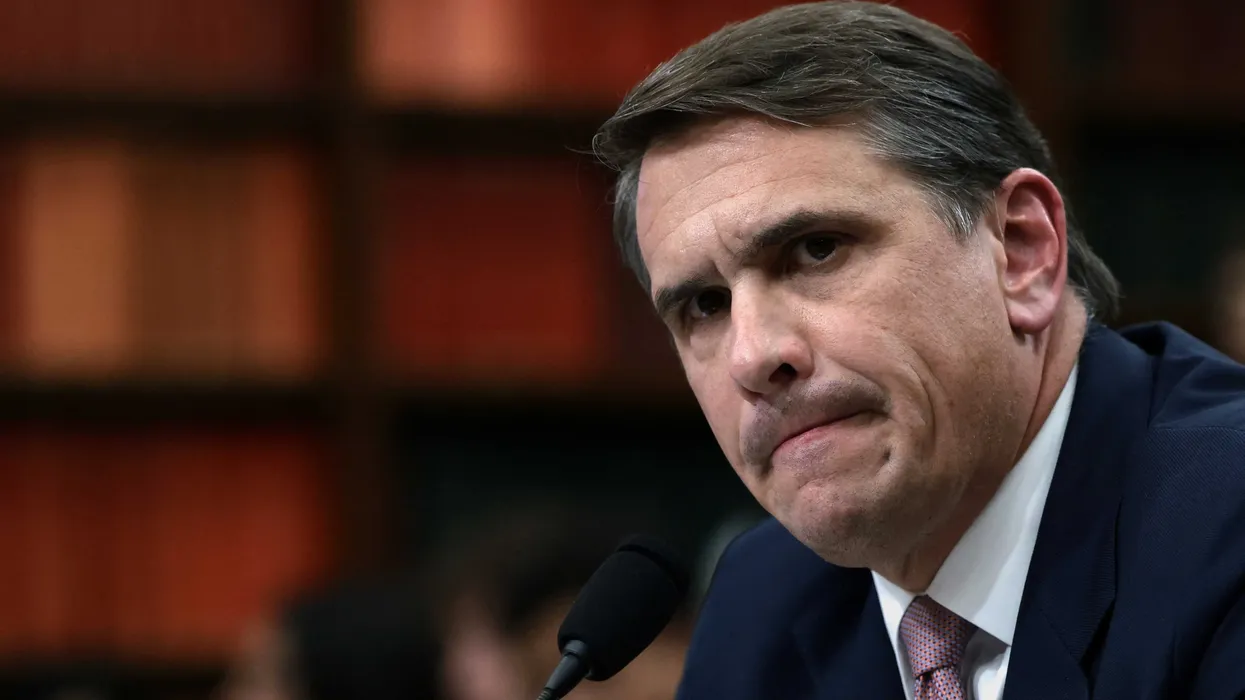
Todd Blanche was sworn in as Attorney General on Monday, just days ahead of a scheduled court appearance before a federal judge who may impose sanctions over his handling of the Jeffrey Epstein document litigation.
The litigation centers on efforts to compel the release of Federal Bureau of Investigation files pertaining to Jeffrey Epstein, the disgraced financier and convicted sex offender who died in federal custody in 2019 while awaiting trial on federal sex-trafficking charges. The case has drawn sustained public scrutiny over how much of the government's Epstein-related records should be made public.
According to former U.S. Attorney Joyce Vance, who served as the top federal prosecutor in the Northern District of Alabama from 2009 to 2017 and now writes on legal affairs, Blanche — a Trump appointee and the president's former personal attorney — is set to appear before Judge Emmet Sullivan at a status hearing addressing delays in the lawsuit over the Epstein files, which was brought by attorney and legal commentator Katie Phang.
Vance, writing on her Substack platform, outlined several matters Blanche must address at the hearing. Chief among them is his refusal to produce documentation supporting his assertion that certain redacted names in published documents belong to Epstein victims rather than victimizers. Blanche will be required to defend that position.
Additionally, Judge Sullivan — a senior judge on the U.S. District Court for the District of Columbia — has ordered Blanche to produce the underlying FBI interview notes that served as the basis for interview reports, with appropriate redactions — or provide a legal explanation for why those notes should not be produced.
Blanche is also expected to discuss his timeline for complying with a provision of the Epstein Act requiring that "all redactions must be accompanied by a written justification published in the Federal Register and submitted to Congress." The parties remain in dispute over whether a specific compliance deadline exists.
Vance noted that Blanche has already been referred to a bar grievance committee by a federal judge in Florida, which she argued gives Judge Sullivan grounds to establish a similar record of noncompliance with court orders — what she characterized as a pattern of disregard for judicial authority. A formal sanctions finding against a sitting Justice Department official would be uncommon and could carry consequences extending to professional licensing review.
The court order details the scope of the disputes between the parties.
"You can get a sense of how great Blanche's sins are," Vance wrote. "Despite the factual tone of the order, make no mistake about it: this is a Judge who is angered by Blanche's flagrant disregard of his orders. What he is prepared to do about it in the hearing is something we'll be following closely later this week."

