Iranian Parliament Advances Bill to Restrict U.S. and Israeli Transit Through Strait of Hormuz
Key Takeaways
- •Iran's parliament has advanced a bill that could restrict transit through the Strait of Hormuz for U.S. and Israeli assets, though it has not yet been enacted into law.
- •The strait carries approximately 20 million barrels of crude oil and condensate per day, accounting for roughly one-fifth of global oil consumption.
- •Vessels found violating the proposed regulations could face fines of up to 20% of their cargo value.
- •Prediction markets now indicate only an 8% likelihood of a U.S.-Iran agreement on Hormuz transit by August 15.
- •Existing overland pipeline alternatives through Saudi Arabia and the UAE lack sufficient capacity to offset a major disruption to strait traffic.
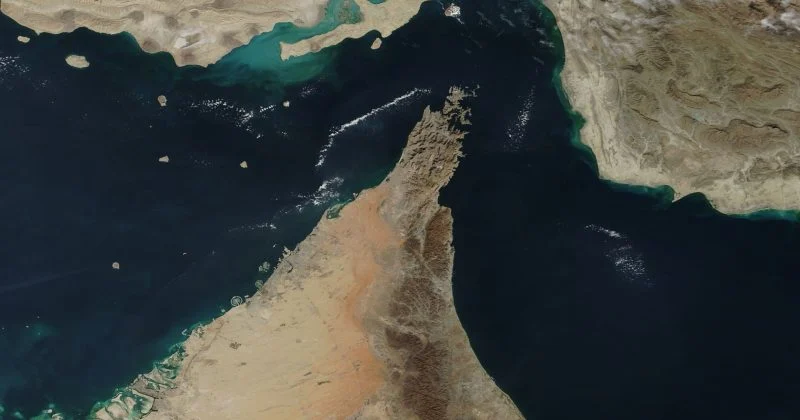
Iran's parliament has advanced a bill designed to assert greater control over the Strait of Hormuz, a critical maritime chokepoint, by potentially restricting transit for U.S. and Israeli assets. The proposed legislation, which remains under review and has not yet been enacted into law, could significantly affect international shipping through the strait. Penalties under the bill reportedly include fines of up to 20% of cargo value for vessels found in violation of the new regulations.
The Strait of Hormuz, situated between Iran and Oman, connects the Persian Gulf to the Gulf of Oman and the Arabian Sea. It is widely recognized as one of the world's most strategically important oil transit routes. According to the U.S. Energy Information Administration, roughly 20 million barrels per day of crude oil and condensate flowed through the strait in 2023, accounting for approximately one-fifth of global oil consumption. China, India, Japan, and South Korea are among the largest importers of crude shipped through the waterway, meaning any disruption would ripple far beyond U.S. and Israeli shipping. The waterway is approximately 21 miles wide at its narrowest point, making it especially vulnerable to disruptions.
The legislative move comes amid persistent geopolitical tensions between Iran and both the United States and Israel. Iran has historically made periodic threats to close or restrict access to the strait, dating back to the Iran-Iraq War in the 1980s, when attacks on commercial tankers drew international naval intervention. This bill suggests a possible escalation beyond conventional political rhetoric, though its practical enforceability remains uncertain. Under the UN Convention on the Law of the Sea (UNCLOS), straits used for international navigation are subject to transit passage rights; Iran has signed but not ratified the convention, and has previously contested the applicability of those provisions to Hormuz.
Alternative overland routes exist but are limited in capacity. Saudi Arabia's East-West pipeline and the UAE's Fujairah pipeline can redirect some crude around the strait, but their combined throughput covers only a fraction of total Hormuz volumes, limiting their ability to offset a major disruption.
The advancement of the legislation has already influenced market expectations. Prediction-market pricing indicates a decreased likelihood of a U.S.-Iran agreement on Hormuz transit by August 15, with the YES probability reportedly standing at 8%.
Markets are expected to monitor statements from Iranian Foreign Minister Abbas Araghchi and U.S. President Donald Trump, as well as any shifts in regional shipping data or military activity, all of which could further influence pricing related to the future of Hormuz transit agreements.

