Activist Group Capytistas Plans to Publish Home Addresses of Elon Musk and Other Billionaires
Key Takeaways
- •An activist collective known as the Capytistas plans to release the home addresses of more than 150 locations allegedly owned by members of the wealthiest 1%.
- •According to Wired, the group has amassed at least 32 addresses tied to Elon Musk and his associates, most of which appear not to have been previously publicly reported.
- •The group claims more than $1 million in funding and says its first data dump will include over 3,500 records that it believes may show criminal exploits and security lapses.
- •The initial release would reportedly reveal addresses connected to Musk, his brother Kimbal, and several members of the Tesla board of directors, with no publication date given.
- •Musk is reportedly not the group's primary target but a means of drawing attention, and his earlier ban of a Twitter account that tracked his plane suggests the information may not remain available on his platform.
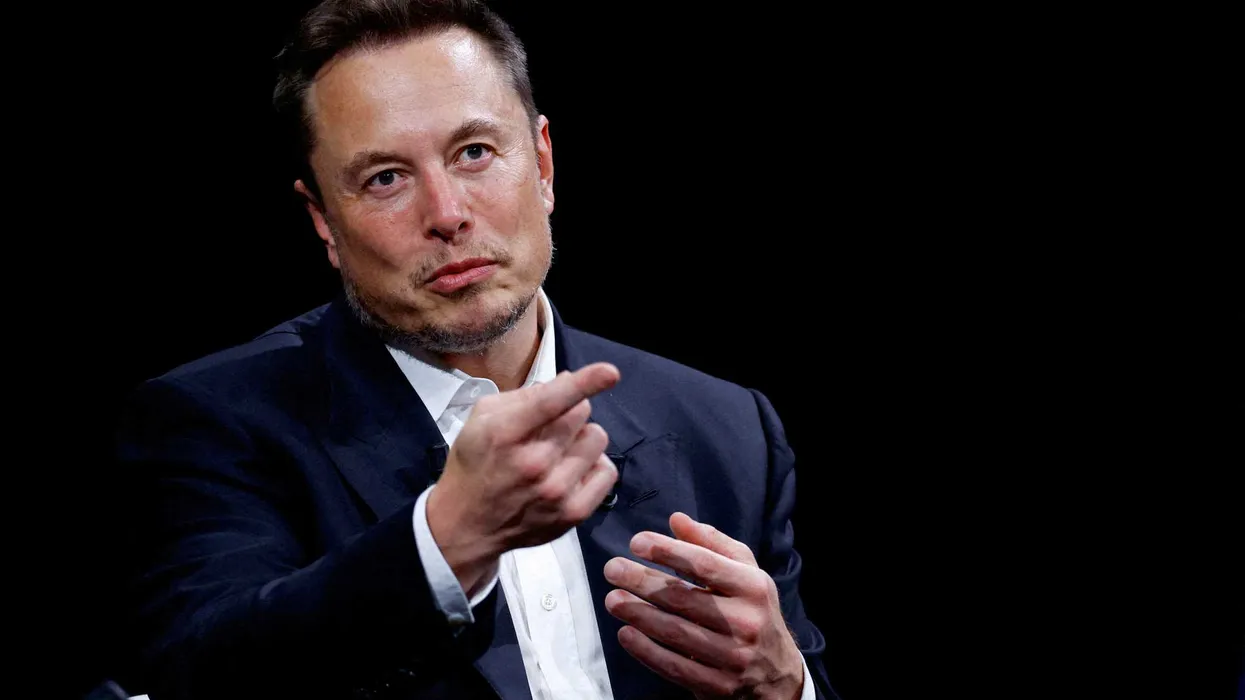
A secretive activist collective is preparing to publish the home addresses of some of the world's wealthiest people, including Elon Musk — the world's richest man and an associate of President Donald Trump who has threatened to imprison and otherwise worked to censor his critics — according to a report from Wired covered by Gizmodo.
"A group of activists has a message for Elon Musk: We know where you live," Gizmodo's AJ Dellinger reported on Monday. According to Wired, the collective, which calls itself Capytistas — a riff on the Zapatistas, the Indigenous insurgents of southern Mexico — is planning to release the home addresses of several extremely wealthy individuals, including the world's current richest person. Doxing — publicly publishing private identifying information such as home addresses, often to expose, pressure, or intimidate its subjects — is a well-established tactic of online activism.
The group claims to have secured more than $1 million in funding for its project to expose the wealthiest people in the world and their properties. It intends to share the home addresses of more than 150 locations allegedly owned by members of the 1%. Publishing residential addresses is widely regarded as a serious privacy and safety matter, since a home cannot be changed the way an email address or phone number can. The first release focuses primarily on Musk and people close to him, and will reportedly reveal not only the location of Elon's home but also that of his brother Kimbal and several members of the Tesla board of directors. The reporting did not specify when that release would take place.
Per Wired, which reviewed a copy of the Capytistas' dossier on Musk, the group has amassed at least 32 addresses tied to Musk and his associates, most of which appear not to have been previously publicly reported. The group also claims that the first data dump will include more than 3,500 records that may show, in its estimation, "criminal exploits and security lapses."
Although the group is publicizing what it has learned about Musk, he is apparently not its primary target. "He is apparently not one of the people the group has spent the most time collecting information on — he's just a handy conduit for getting attention," Dellinger wrote. Instead, the group hopes that doxing Musk will pull in eyeballs so it can expose some of its preferred targets. Dellinger noted that the information is unlikely to last long on Musk's own platform, given that he previously banned a Twitter account that tracked his plane on the grounds that it violated his personal safety.
Musk has become a particularly controversial figure in the Trump era, with many arguing that the SpaceX and Tesla executive has too much power in modern America.
"Musk's decision to change the course of a war with 'a seeming flick of a switch,' taking it upon himself, with or without the complicity of White House officials, to reverse the foreign policy of the United States of America for the benefit of Russia's president Vladimir Putin, is a stunning assumption of power reminiscent of Revolutionary War general Benedict Arnold's weakening of the Americans' defenses and draining of supplies at the strategic fort at West Point to enable the British to capture it before he was discovered and defected," scholar Heather Cox Richardson wrote in October.
This article is based on reporting published by Alternet.

