Спасательные работы после землетрясения в Колумбии входят в «финальную фазу», число погибших достигло 239
Ключевые выводы
- •Землетрясение магнитудой 7,4, произошедшее 10 августа на западе Колумбии, стало самым сильным в стране в этом столетии и привело как минимум к 239 подтвержденным погибшим, 2,595 раненым и примерно 195 пропавшим без вести.
- •Стихийное бедствие оставило без жилья не менее 3,700 семей и нанесло серьезный ущерб кофейному региону Колумбии, который является экономической основой сельских районов страны.
- •Спасательные работы подходят к концу критического 72-часового окна, когда шансы найти выживших наиболее высоки, при этом спасатели уже извлекли людей из-под завалов, в том числе одну женщину спустя 35 часов.
- •Новый президент Абелардо де ла Эсприелья объявил чрезвычайное положение и пообещал субсидии на аренду для пострадавших семей, что стало для его администрации важным ранним испытанием.
- •США выделили $15.5 million экстренной помощи в рамках более широкого международного ответа на одну из крупнейших катастроф в Колумбии за последние годы.
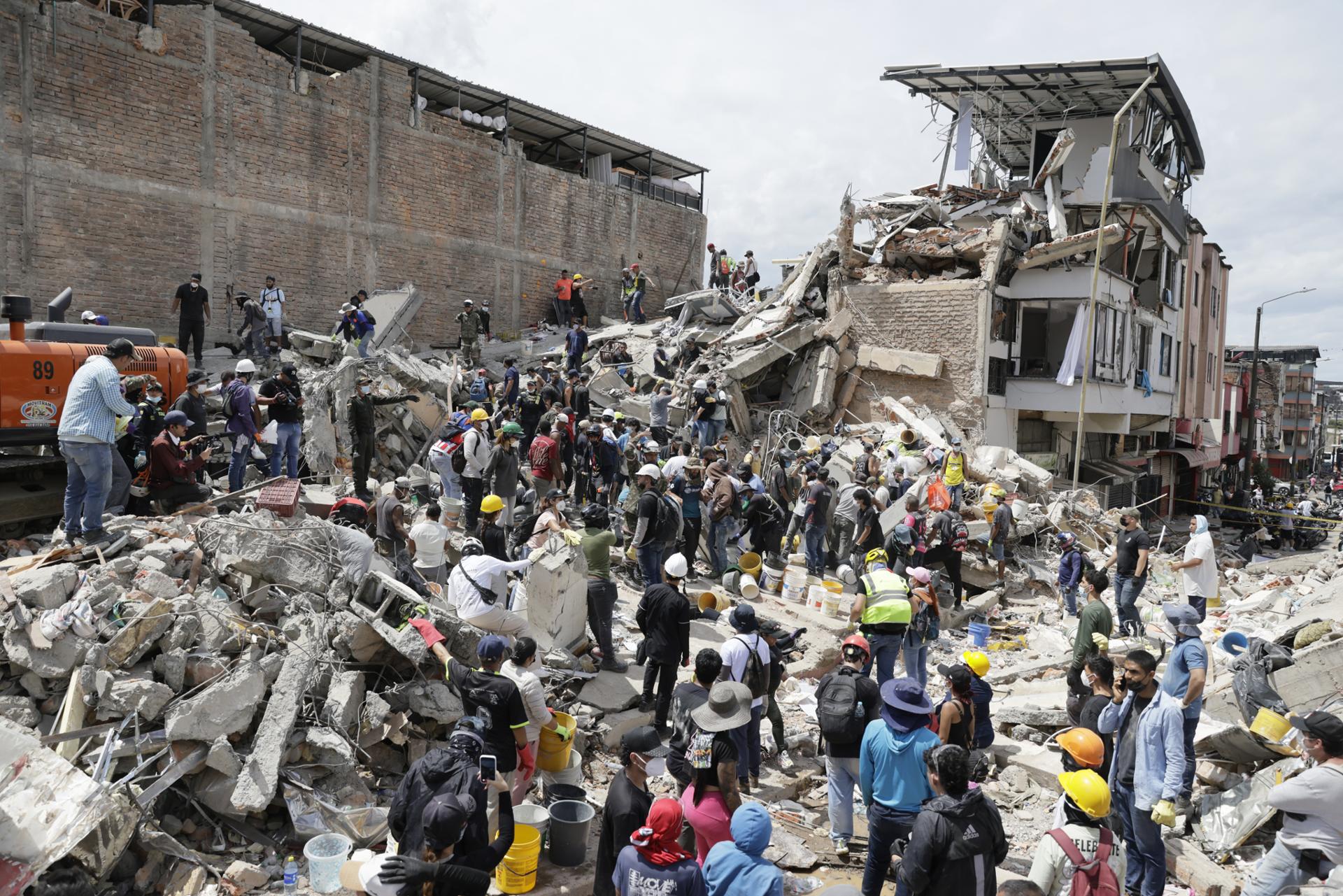
BOGOTA — Colombia declared three days of national mourning on Wednesday for victims of the devastating earthquake that has claimed at least 239 lives, as rescue teams entered what officials described as the final phase of the search for survivors.
The magnitude 7.4 quake struck western Colombia on Aug. 10, making it the strongest to hit the country this century. Colombia sits along the Pacific Ring of Fire, where the Nazca, South American, and Caribbean tectonic plates converge, making major seismic events a recurring threat to the Andean nation. According to the Colombian Presidency's official report, at least 240 people have been killed, 2,595 others injured, and approximately 195 remain missing. The national disaster management agency said the disaster has left at least 3,700 families homeless, devastating towns across the coffee-growing region — an area that forms the economic backbone of rural Colombia and is home to some of the country's most productive agricultural communities.
The government announced that flags would be lowered to half-staff on official buildings and at Colombian embassies abroad "in honor of all the dead."
In the cities of Pereira and Cali, emergency crews worked through the night using cranes, search dogs, and heavy machinery. Volunteers formed human chains to clear debris by hand in a race against time.
Rescuers pulled 32-year-old Daniela Largo alive from the rubble of a Pereira hotel after she had been trapped for 35 hours, offering a rare glimmer of hope as the survival window narrowed.
"We were losing hope and then we received a call," her mother Sandra Milena Perez told AFP. A local resident heard cries for help beneath the rubble and joined neighbors in clearing debris before professional rescuers arrived.
"I thank him with all my heart because thanks to him today we are happy... a son is waiting for her at home," Perez said.
Cali Mayor Alejandro Eder said Wednesday that rescue teams were approaching a critical threshold. "We're entering the final phase of the first 72 hours," he said, referring to the period when survivors are most likely to be found alive beneath rubble. "That doesn't mean there won't be survivors afterwards, but it is more difficult."
Veteran volunteer Julio Cesar Pineda said teams still believed survivors could be found despite dwindling odds. "These are critical hours because two days have already passed," he told AFP. "I know that today and tomorrow we will pull people out alive."
Widespread Devastation
Viewed from the air, neighborhoods in Cali appeared flattened, with piles of rubble replacing entire blocks of homes and apartment buildings. The quake overwhelmed parts of the health system, making the rescue effort one of Colombia's largest disaster responses in years.
Many survivors spent a second night outdoors, either because their homes were damaged or due to fears of aftershocks. A park in Pereira was converted into a makeshift shelter filled with tents and mattresses.
"We lost everything, but we're alive," said 23-year-old John Tabasco, who was camped at the shelter with his wife and seven-month-old son.
In the mountain town of El Cairo, residents gathered at community kitchens as power outages persisted and many remained reluctant to return home.
"People don't want to go inside their homes, people don't want to sleep, people don't know what to do," resident Adriana Gonzalez told AFP.
In nearby Roldanillo, Yuliana Mendez picked through the wreckage of the beauty products store where she worked, one of many businesses damaged in the disaster. "It's like starting over from scratch," she said.
In Pereira's Providencia neighbourhood, residents hauled furniture and household items from damaged buildings. Among them was lawyer Ana Paulina Crosthwaite, whose apartment block was rendered unsafe by the quake.
"We're in a state of shock," she told AFP. "We're not prepared to tell our children that we have to pack whatever we can and start a new life."
Community Mobilization and Government Response
Many Colombians mobilized to assist, bringing water, food, and supplies to affected neighborhoods. Long lines formed outside blood donation centers across the country.
"It's about wanting to help your community, your city and your country," said blood donor Ferney Cabrera.
President Abelardo de la Espriella, who was sworn in on Friday, declared a state of emergency and promised rent subsidies for affected families during a visit to Pereira on Tuesday. The disaster poses an early governing test for the newly inaugurated administration, which now faces the dual challenge of immediate relief coordination and longer-term reconstruction planning across multiple municipalities.
The United States announced $15.5 million in emergency aid, while messages of support and offers of assistance arrived from around the world.
Source: The Korea Times
