Zebra Technologies' "Physical AI" Reshapes Supply Chain Operations
Key Takeaways
- •Physical AI combines sensor data, computer vision, and machine learning to provide frontline supply chain workers with real-time, context-aware guidance rather than passively tracking goods.
- •Zebra Technologies is extending its existing portfolio of barcode scanning, RFID, mobile computing, and real-time location systems to incorporate physical AI capabilities.
- •AI-enhanced tools deliver immediate feedback on tasks such as picking, packing, loading, and inventory verification, which reduces errors and increases operational throughput.
- •Major enterprise hardware vendors including Honeywell and Cognex are competing to embed AI more deeply into warehouse and logistics workflows alongside Zebra Technologies.
- •Persistent warehouse labor gaps and high turnover rates are driving operators toward automation-assisted workflows that maintain consistent productivity without fully replacing human workers.
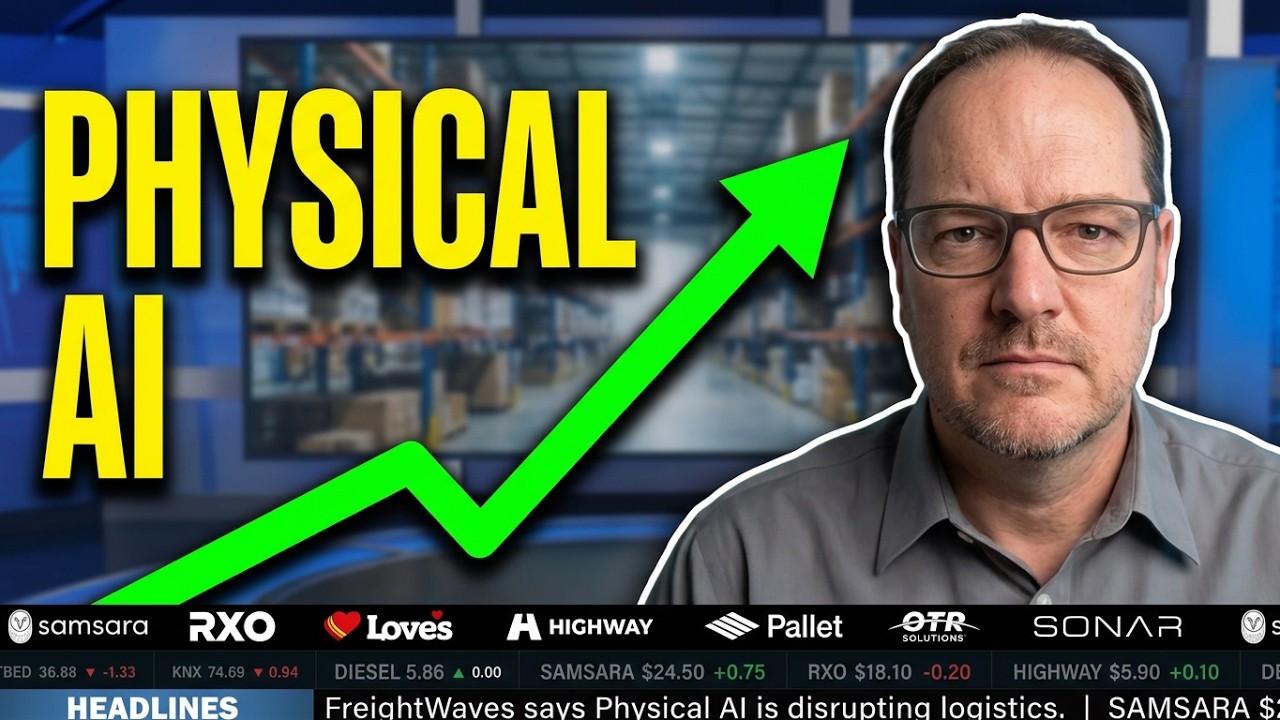
Andre Luecht of Zebra Technologies outlines how "physical AI" is transforming supply chain operations, offering frontline workers real-time feedback that enhances warehouse and logistics performance.
In an expert commentary featured by FreightWaves, Luecht explains that physical AI represents a shift from conventional tracking tools toward systems that actively interpret physical environments and deliver actionable intelligence to workers on the ground. Rather than passively monitoring goods as they move through the supply chain, these advanced visibility solutions generate granular insights that improve both accuracy and speed across every stage — from the factory floor to final delivery.
Zebra Technologies, a global provider of enterprise asset intelligence solutions headquartered in Lincolnshire, Illinois, has built its portfolio around barcode scanning, RFID technology, mobile computing, and real-time location systems. The concept of physical AI extends these capabilities by combining sensor data, computer vision, and machine learning to give workers context-aware guidance in real time. Zebra's push into this space comes as major enterprise hardware vendors — including Honeywell and Cognex — race to embed AI deeper into warehouse and logistics workflows.
According to Luecht, this approach can fundamentally reshape how distribution centers, fulfillment operations, and transportation networks function. Frontline employees equipped with AI-enhanced tools receive immediate feedback on tasks such as picking, packing, loading, and inventory verification, reducing errors and increasing throughput.
The technology also moves beyond basic location tracking. Modern visibility platforms can identify bottlenecks, flag potential compliance issues, and recommend workflow adjustments on the fly. Luecht emphasizes that the value lies in turning operational data into timely, worker-facing intelligence rather than simply accumulating it for after-the-fact analysis.
As supply chains face growing pressure from e-commerce demands, labor shortages, and rising customer expectations, physical AI offers a pathway to greater operational resilience. Persistent warehouse labor gaps and high turnover rates have made automation-assisted workflows increasingly attractive to operators seeking consistent productivity without fully replacing human workers. By embedding intelligence directly into the physical workflow, companies can close the gap between data collection and decision-making at the point of action — a capability that industry observers will be watching as more pilot programs scale into enterprise-wide deployments.

