Ukrainian Drone Strikes Force Russia's Wildberries to Seek Warehouse Space in Kazakhstan
Key Takeaways
- •Ukrainian drone strikes on Russian logistics infrastructure have destroyed at least 10 percent of Wildberries' total inventory, prompting the company to seek warehouse space in Kazakhstan.
- •Wildberries is constructing two warehouses in Kazakhstan totaling 260,000 square meters, but neither facility will be operational before 2027 and they are primarily designed to serve the Kazakh domestic market.
- •Kazakh businesses have lost at least $3 million in merchandise due to the destruction of Wildberries warehouses, while Kyrgyz vendors have suffered losses severe enough to warrant tax holidays from the Bishkek government.
- •Kazakhstan has declined to recognize Russia's annexation claims in Ukraine while maintaining trade ties, creating a politically sensitive environment for large-scale expansion of Russian commercial infrastructure on its territory.
- •A second major wave of Russian emigration to Central Asia is underway, driven by fears that the Kremlin may announce a military draft or full mobilization this fall.
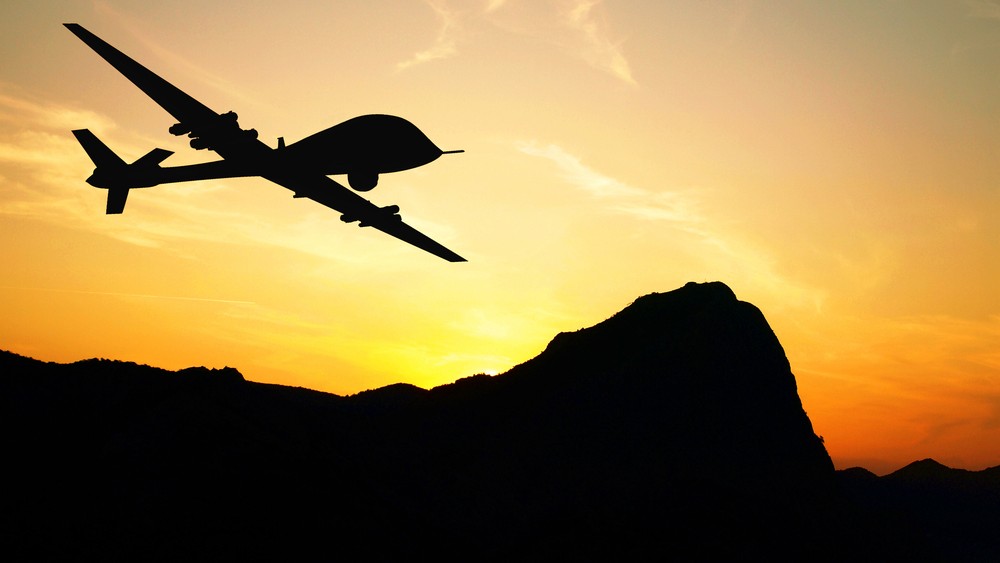
The operator of Wildberries, Russia's largest e-commerce platform, is seeking to lease warehouse space in neighboring Kazakhstan in an effort to mitigate the impact of Ukrainian drone attacks on its logistics infrastructure. The development underscores how Ukraine's deep-strike drone campaign, which has increasingly targeted Russian logistics hubs, fuel depots, and industrial facilities far from the front lines, is now reverberating through the civilian retail economy.
According to the Russian business daily Kommersant, citing four anonymous real estate sources, representatives of RMB Group — Wildberries' parent company — are actively scouting Kazakhstan and are "ready to occupy all available warehouse space in the country." The move comes after a series of Ukrainian drone strikes across Russia destroyed at least 10 percent of Wildberries' inventory.
Ukraine has designated Wildberries as a legitimate military target, asserting that the platform has been used to distribute equipment and electronics deployed on the battlefield in Ukraine. Wildberries representatives have denied any connection to military activities.
Wildberries is currently constructing a 100,000-square-meter facility near Almaty and a second facility of 160,000 square meters near Astana, company representatives told Kommersant. However, those warehouses will not be operational until 2027 at the earliest and are primarily intended to serve the Kazakh domestic market. Additional capacity in Kazakhstan is needed to handle the distribution of goods to Wildberries' customers inside Russia.
According to the Kommersant sources, Wildberries is reluctant to secure replacement warehousing within Russia and instead aims to expand its storage footprint in Kazakhstan. Meanwhile, Russian vendors are reportedly hesitating to enter new agreements, weighing the risks of working with Wildberries against potential financial returns. Available warehouse inventory in Kazakhstan is described as very limited.
While relocating inventory to Kazakhstan would likely shield Wildberries' facilities from Ukrainian drone attacks, the strategy introduces significant logistical challenges. Both Kazakhstan and Russia are members of the Eurasian Economic Union, which in principle facilitates free trade between the two nations. In practice, however, the Kazakh-Russian border remains far from frictionless. Kazakhstan has also sought to maintain a careful diplomatic balance since the start of the war, declining to recognize Russia's annexation claims in Ukrainian territory while preserving extensive trade ties with Moscow — a posture that adds a political dimension to any large-scale expansion of Russian commercial infrastructure on Kazakh soil.
Over the past year, cargo trucks have experienced prolonged wait times at customs checkpoints along the entire frontier. In July, Kazakh authorities introduced police checkpoints at major border crossings, ostensibly to curb gas-purchase tourism by Russian citizens seeking to bypass fuel shortages in Russia.
Vendors in both Kazakhstan and Kyrgyzstan are reporting substantial losses stemming from the Ukrainian destruction of Wildberries warehouses in Russia. In Kyrgyzstan, some small businesses that depend on Wildberries' distribution network have been affected so severely that the State Tax Service in Bishkek has offered them tax holidays through the end of the year. Kazakh businesses have reportedly suffered comparatively less damage but have still lost at least $3 million worth of merchandise.
Separately, Central Asia is experiencing a second major wave of Russian immigration, reminiscent of the exodus that followed the launch of Russia's invasion of Ukraine in 2022. Kazakh authorities have reported a sharp increase in real estate purchases and investments by Russian nationals. The driving factor behind the new wave is fear within Russia that the Kremlin will announce a military draft or full mobilization in the fall to replenish depleted Russian forces and shore up its diminishing combat capability in Ukraine. Armenia is also reporting a significant influx of Russian arrivals.
Source: Eurasianet

