WHO Issues Heat Wave Guidance as South Korea Records All-Time High Temperature of 42.5°C
Key Takeaways
- •South Korea recorded its highest-ever temperature of 42.5 degrees Celsius in Yangsan, located in South Gyeongsang Province.
- •The WHO advises against using electric fans when air temperatures exceed 40 degrees Celsius, as they may circulate hot air and increase body temperature rather than cool it.
- •Combining air conditioning set at 27 degrees Celsius with a running fan can make a room feel approximately 4 degrees cooler while reducing cooling costs by up to 70 percent.
- •Between 2000 and 2019, heat waves caused an estimated 489,000 deaths annually worldwide on average, according to WHO data.
- •The prolonged heat wave has driven a 20 percent increase in ice factory production in Daegu's Buk District and a nationwide rise in livestock deaths.
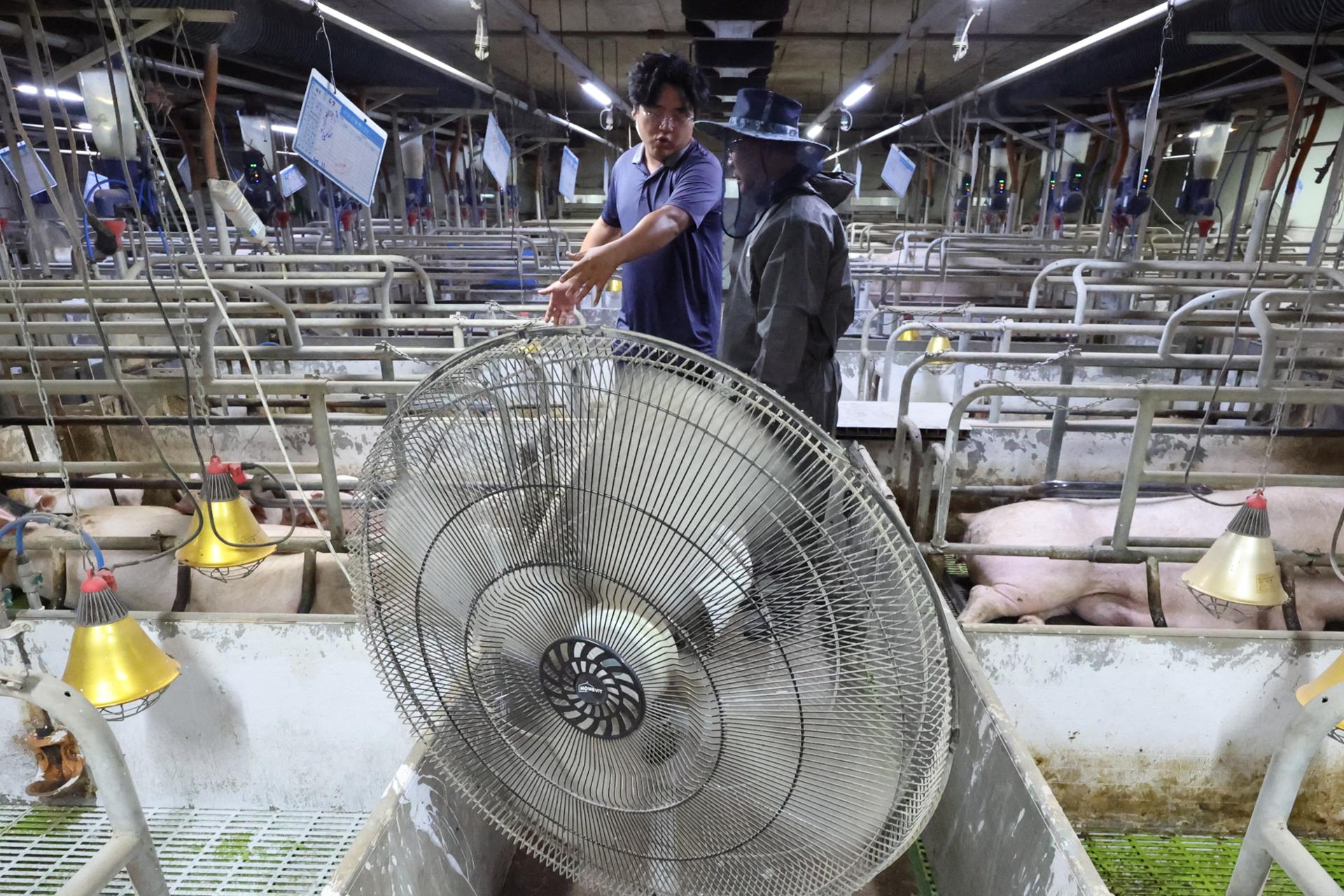
As South Korea recorded its highest-ever temperature — with Yangsan in South Gyeongsang Province reaching 42.5 degrees Celsius — the World Health Organization (WHO) has issued comprehensive guidance to help mitigate health risks during extreme heat. The new national record comes amid a broader pattern of record-shattering temperatures across Asia this summer, adding urgency to public-health preparedness.
According to the WHO on Saturday (local time), its recommendations fall into four main categories: avoiding the heat, keeping homes cool, staying cool and hydrated, and protecting infants and children.
Avoiding the Heat
To prevent heat-related illness, the WHO advises people to stay indoors whenever possible. If going outside is unavoidable, individuals should remain in the shade as much as possible, as temperatures in direct sunlight can be 10 to 15 degrees higher than in shaded areas. The agency also recommends spending two to three hours a day in a cool place and regularly monitoring heat wave alerts.
Keeping Homes Cool
During daytime hours, blinds or curtains should be drawn to block direct sunlight, while windows should be opened at night once outdoor temperatures have declined.
The WHO recommends using electric fans only when the air temperature is below 40 degrees Celsius. At temperatures above 40 degrees, fans may circulate extremely hot air, potentially raising body temperature rather than cooling it. This threshold is notable given that Yangsan's 42.5°C reading exceeds the point at which fan use becomes counterproductive.
When using air conditioning, the agency advises setting the thermostat to 27 degrees Celsius and running a fan simultaneously. This combination can make a room feel approximately 4 degrees cooler while reducing cooling costs by up to 70 percent.
Staying Cool and Hydrated
The WHO stresses the importance of staying hydrated, even before feeling thirsty. Adults are encouraged to drink water regularly and consume at least 2 to 3 liters of fluids per day. Cooling the skin with a damp cloth, a spray bottle, or lightweight wet clothing can also help reduce body temperature.
Protecting Infants and Children
Special care should be taken to protect infants and young children, who are particularly vulnerable to extreme heat. Children and animals must never be left unattended in parked vehicles, where interior temperatures can rise rapidly. During the hottest part of the day, children should remain indoors or in the shade and avoid direct sun exposure.
The WHO also warns against covering strollers with dry cloth, as this can trap heat and raise the temperature inside. Instead, caregivers should use a thin, damp cloth, rewetting it periodically, and use a portable fan to enhance the cooling effect.
Global Toll of Extreme Heat
Between 2000 and 2019, heat waves were responsible for an estimated 489,000 deaths worldwide each year on average, according to WHO data. The organization warned that extreme heat is not merely an inconvenience but a serious threat to human health. The World Meteorological Organization has also documented that the frequency and intensity of extreme heat events have increased markedly in recent decades, a trend it links to human-induced climate change.
In Daegu's Buk District, an ice factory reported that production has increased by 20 percent compared with the previous summer, as demand continues to surge amid the prolonged heat wave. Meanwhile, livestock deaths have been rising nationwide, with farmers running air conditioners and electric fans inside barns to protect animals. Such impacts underscore the economic strain that sustained heat waves place on agriculture, energy systems, and local industries.
This article is based on reporting by the Hankook Ilbo, sister publication of The Korea Times, translated by a generative AI system and edited by The Korea Times.
Source: The Korea Times

