US Official Reaffirms Strait of Hormuz as International Waterway Amid Ongoing Iran Tensions
Key Takeaways
- •A U.S. official has reaffirmed that the Strait of Hormuz is an international waterway where no single nation controls the shipping lanes and transit must remain unimpeded.
- •Approximately one-fifth of global daily oil consumption transits through the Strait of Hormuz, making any disruption an immediate concern for worldwide energy markets.
- •Under the United Nations Convention on the Law of the Sea, all nations enjoy transit passage rights through the strait, though the United States has not ratified the treaty while still recognizing those rights as customary international law.
- •Iran has previously threatened to close the waterway during periods of heightened tension and has been linked to multiple incidents including tanker seizures, limpet mine attacks, and harassment of commercial vessels.
- •Market pricing suggests participants believe the latest U.S. statement may increase the probability of a U.S.–Iran agreement being reached by August 15.
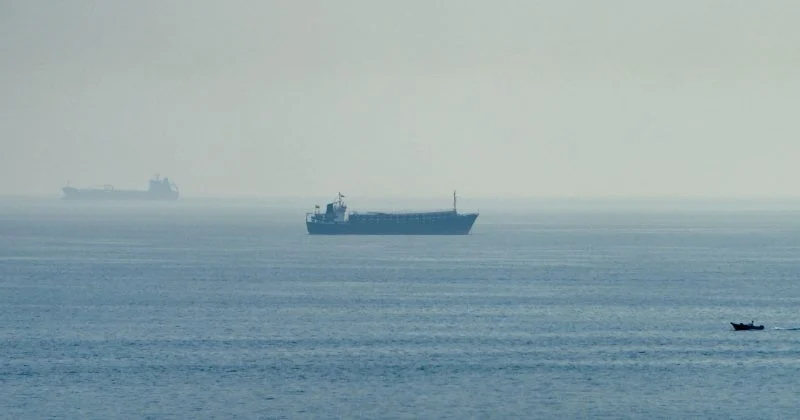
A U.S. official has reaffirmed that the Strait of Hormuz is an international waterway, emphasizing that no single party controls its shipping lanes and that transit routes will remain open without interference.
The statement comes against the backdrop of persistent U.S.–Iran tensions over control and access to the strategic passage. The Strait of Hormuz, located between Iran to the north and Oman and the United Arab Emirates to the south, connects the Persian Gulf to the Gulf of Oman and the Arabian Sea. At its narrowest point, the shipping lane is roughly 21 miles wide, with inbound and outbound traffic separated by a two-mile buffer. It is one of the world's most critical energy and shipping corridors, through which roughly one-fifth of global oil consumption transits daily, making any disruption a immediate concern for energy markets and consumer economies worldwide.
Under the United Nations Convention on the Law of the Sea (UNCLOS), the strait is classified as an international strait, meaning vessels of all nations enjoy the right of transit passage. Iran is a signatory to UNCLOS, though the United States has not ratified the treaty while still recognizing transit passage rights as customary international law. The U.S. position underscores a commitment to ensuring unimpeded navigation through the waterway, a stance that could influence ongoing diplomatic engagement with Iran over regional maritime policies. The U.S. Navy's Fifth Fleet, headquartered in nearby Bahrain, has historically conducted patrols aimed at safeguarding commercial shipping in and around the strait.
The announcement may also signal a broader U.S. strategy aimed at countering Iranian assertions of authority over the strait. Iran has previously threatened to close the waterway during periods of heightened tension, and there have been multiple documented incidents in recent years involving tanker seizures, limpet mine attacks, and harassment of commercial vessels attributed to Iranian forces. An actual closure attempt would carry significant economic and military ramifications, affecting not only Gulf oil producers but also major importers in Asia and Europe.
Market pricing indicates that participants view the latest development as potentially increasing the likelihood of a U.S.–Iran agreement by August 15. Key developments to monitor include any joint statements or agreements between the two nations, as well as military or diplomatic actions that might signal changes to the status quo. Further statements from U.S. or Iranian officials could provide additional clarity on the prospects for either a resolution or an escalation in the region.
