United States Restricts New Imported Robots Citing National Security and Surveillance Concerns
Key Takeaways
- •The U.S. government has imposed restrictions on newly imported robots due to concerns that foreign-made systems could be used for surveillance or unauthorized data collection.
- •Modern robots equipped with cameras, microphones, AI systems, and internet connectivity present new security risks because they can gather detailed information about their environments.
- •The restrictions follow a broader U.S. pattern of limiting foreign-connected technologies, including previous measures targeting Huawei, ZTE, DJI, and Kaspersky.
- •Businesses relying on robotics and automation may face new compliance requirements, including supplier evaluations and cybersecurity reviews.
- •The global robotics industry could see shifts in supply chains, increased domestic manufacturing, and greater investment in cybersecurity measures as companies adapt to the new policy.
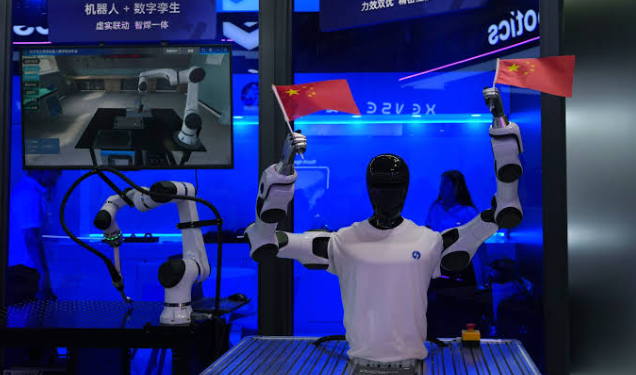
The United States has introduced restrictions on newly imported robots, citing national security concerns that certain foreign-made robotic systems could be used for surveillance or to collect sensitive information from Americans.
The move reflects mounting concern among U.S. officials regarding security risks tied to connected devices, artificial intelligence–powered machines, and advanced robotics. As robots become more prevalent in homes, businesses, factories, and public spaces, policymakers are scrutinizing how these systems collect, process, and transmit data. The action follows a pattern of U.S. technology restrictions targeting foreign-connected products, including earlier measures against companies such as Huawei and ZTE in telecommunications, DJI in drones, and Kaspersky in cybersecurity software.
The announcement has ignited debate over the balance between technological innovation and national security. Officials have warned that some imported robotic platforms could create opportunities for unauthorized monitoring or data collection. The development was highlighted by cryptocurrency and technology analysis account Coin Bureau on X, drawing additional attention from online communities. The broader issue, however, centers on government concerns about cybersecurity, dependence on foreign technology, and the protection of consumer data.
United States Raises Concerns Over Foreign-Made Robotics
Robotics technology has advanced rapidly in recent years, with modern machines growing more capable through improvements in artificial intelligence, sensors, cameras, and connectivity. Many robots today are internet-connected and rely on cloud-based systems to perform advanced functions. These capabilities enable robots to navigate environments, recognize objects, communicate with users, and carry out complex tasks.
However, the same features that make robots useful can also create security concerns. Government officials have warned that connected robotic systems could collect sensitive information if improperly managed. Unlike traditional machines, modern robots may contain cameras, microphones, location sensors, and AI systems capable of analyzing large volumes of data. This has raised questions about who controls the information these devices collect and where that data is stored.
National Security Concerns Drive Policy Changes
The U.S. government has increasingly focused on technology-related national security risks in recent years. Concerns about foreign-made technology have expanded beyond traditional sectors such as telecommunications and cybersecurity. Officials are now examining emerging technologies including artificial intelligence, drones, autonomous vehicles, and robotics.
The concern is that devices manufactured by foreign companies could potentially be influenced by outside governments or organizations. If connected systems collect information from American homes, businesses, or government facilities, officials argue that unauthorized access could create security vulnerabilities. The restrictions on imported robots form part of a broader effort to evaluate technology supply chains and reduce potential risks to critical infrastructure. The U.S. has used various mechanisms for such restrictions, including the Commerce Department's Entity List, executive orders, and Federal Communications Commission authorizations.
Why Robots Are Becoming a Security Issue
Robots are no longer confined to industrial factories. Modern robotic systems are being developed for a wide range of applications, including household assistance, healthcare, logistics, agriculture, education, and security. Many of these robots rely on artificial intelligence to understand their environments and make decisions.
A home robot, for example, may use cameras and sensors to navigate rooms, recognize people, and respond to voice commands. A workplace robot may collect information about production processes, employee activity, or operational conditions. While these features enhance functionality, they also raise new privacy considerations. Security experts have warned that connected devices can become targets for hackers or misuse if proper safeguards are not in place.
Data Collection and Privacy Concerns
A primary concern surrounding advanced robotics is data collection. Robots equipped with cameras and sensors can gather detailed information about their surroundings. In a household environment, this could include personal routines, home layouts, conversations, and individual behaviors. In business environments, robots could potentially collect information about operations, manufacturing processes, or confidential activities.
The storage and handling of such information have become increasingly significant. Officials argue that companies and consumers need greater transparency about how robotic systems collect and use data. Questions remain about whether data is stored locally, transferred to foreign servers, or made accessible to third parties. These concerns echo debates that surrounded consumer-facing connected devices like smart home assistants and internet-connected security cameras.
The Growing Role of Artificial Intelligence in Robotics
Artificial intelligence has transformed the robotics industry. Traditional robots typically performed repetitive tasks in controlled environments. Modern AI-powered robots can adapt to changing situations, recognize objects, understand speech, and make autonomous decisions. This advancement has expanded the potential applications of robotics but has also heightened concerns about security and control.
AI systems depend heavily on data—the more information a robot collects, the more effectively it can perform tasks. Yet the collection of large amounts of data also increases potential risks. Governments worldwide are now considering how to regulate AI-powered devices while still encouraging technological development. In the United States, the IoT Cybersecurity Improvement Act of 2020 established baseline security standards for government-purchased connected devices, and subsequent federal initiatives have sought to create cybersecurity certification programs for consumer IoT products.
Impact on the Global Robotics Industry
The new restrictions could have significant implications for the global robotics market. The industry relies heavily on international supply chains involving manufacturers, software developers, component suppliers, and research organizations. According to the International Federation of Robotics, global industrial robot installations reached record levels in recent years, with China accounting for the largest share of new installations worldwide. Restrictions on imported robots could influence how companies design, manufacture, and distribute robotic products.
Businesses may seek alternative suppliers or increase domestic production. Some companies may also invest more heavily in cybersecurity measures to demonstrate compliance with government requirements. The policy could accelerate efforts to develop robotics technology within the United States.
U.S. Pushes for Domestic Technology Development
The restrictions align with broader efforts by U.S. policymakers to strengthen domestic technology capabilities. In recent years, the government has encouraged investment in critical technologies including semiconductors, artificial intelligence, and advanced manufacturing. Reducing dependence on foreign technology suppliers has become a major policy goal. The CHIPS and Science Act of 2022, which authorized billions in funding to boost domestic semiconductor manufacturing, exemplifies this push across interconnected technology sectors.
Supporters of these measures argue that domestic development can improve security and create new economic opportunities. They maintain that critical technologies should be built with strong oversight and reliable supply chains. Critics, however, warn that excessive restrictions could slow innovation and raise costs for businesses and consumers.
Businesses Face New Compliance Challenges
Companies using or importing robotic systems may need to adjust to new requirements. Businesses may have to evaluate suppliers, review cybersecurity practices, and ensure that robotic devices meet government standards.
Industries that rely heavily on automation could be particularly affected. Manufacturing companies, warehouses, healthcare providers, and research institutions increasingly use robots to improve efficiency. Any restrictions affecting access to robotic technology could influence investment decisions and operational planning. Companies may also need to assess whether alternative systems can deliver similar capabilities while meeting security requirements.
Debate Over Security Versus Innovation
The decision to restrict imported robots has triggered a broader debate about balancing security and technological progress. Supporters argue that protecting national security should be a priority, especially as connected devices grow more powerful. They point to previous cybersecurity incidents involving foreign technology as evidence that stronger safeguards are needed.
Opponents argue that limiting access to international technology could reduce competition and slow innovation. They believe that security standards should target specific risks rather than impose broad restrictions based on country of origin. The debate mirrors a larger global discussion about how governments should regulate emerging technologies.
Robotics as a Future Strategic Industry
Robotics is expected to become one of the most important technology sectors in the coming decades. Advances in artificial intelligence, machine learning, and automation are likely to transform numerous industries, with robots playing major roles in manufacturing, healthcare, transportation, agriculture, and everyday life.
Because of this potential, governments view robotics as a strategic technology. Countries around the world are investing in robotics research and development as they compete for leadership in advanced technology. The United States, China, Japan, South Korea, and European nations are among the major players in the global robotics race. Japan has historically been a dominant force in industrial robot manufacturing through companies like Fanuc and Yaskawa, while Chinese firms have rapidly expanded their market share in both industrial and consumer segments.
Cybersecurity Becomes Essential for Connected Devices
As robotics technology expands, cybersecurity will become increasingly important. Experts emphasize that manufacturers must build security features into robotic systems from the outset. These protections may include stronger encryption, secure software updates, access controls, and transparent data policies.
Consumers and businesses are also expected to become more aware of the risks associated with connected devices. Just as cybersecurity has become a major concern for computers and smartphones, it is likely to become equally important for robots.
The Future of Imported Robotics in the U.S.
The long-term impact of the restrictions will depend on how policymakers implement the rules and how the technology industry responds. Companies may adapt by developing new security standards, shifting supply chains, or increasing domestic manufacturing. The robotics industry is expected to continue growing despite regulatory challenges, as demand for automation and AI-powered systems remains strong across many sectors. Future growth, however, will likely depend on finding a balance between innovation, economic competitiveness, and national security.
Conclusion
The United States' decision to restrict new imported robots underscores growing concerns about the security risks tied to advanced connected technologies. Officials warn that certain robotic systems could be used for surveillance or unauthorized data collection, raising questions about privacy and cybersecurity. The move reflects a broader effort to protect critical technology infrastructure while encouraging domestic innovation. As artificial intelligence and robotics become more deeply integrated into everyday life, governments and businesses will face increasing pressure to develop secure, transparent, and reliable systems. The trajectory of the robotics industry will depend not only on technological advancement but also on how effectively countries address the security challenges posed by increasingly intelligent machines.
Source: hoka.news

