Union Pacific Reports Stronger Q2 2026 Earnings with Profit and EPS Growth
Key Takeaways
- •Union Pacific’s second-quarter 2026 net income rose 6% year over year to $2.0 billion.
- •Diluted earnings per share increased 7% to $3.36 for the quarter.
- •Adjusted net income advanced 12% to $2.0 billion, while adjusted diluted EPS rose 13% to $3.41.
- •The company scheduled an early morning analyst call to discuss the results and operating trends.
- •Union Pacific operates about 32,000 route miles across the western two-thirds of the United States.
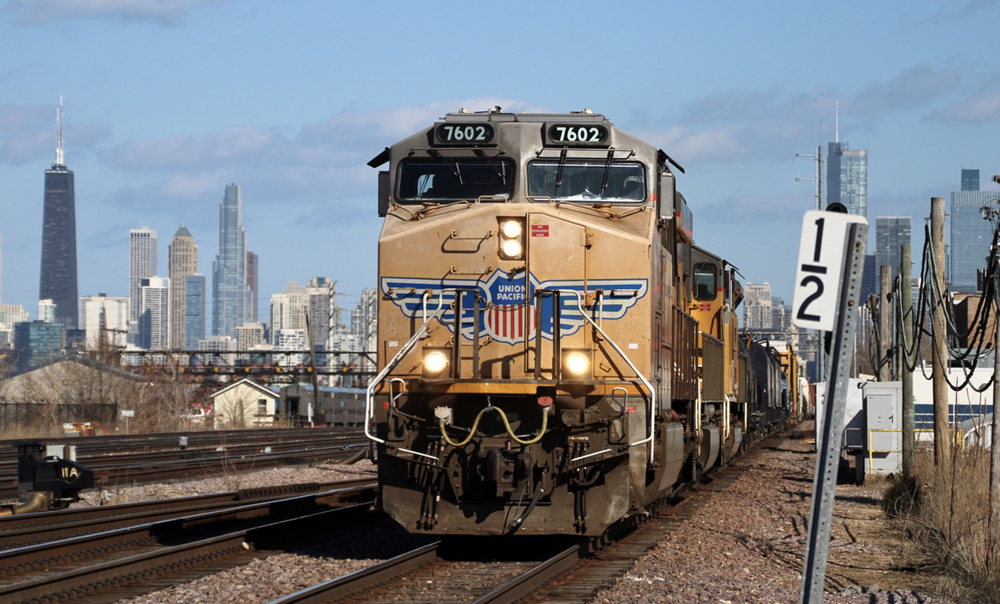
Union Pacific Corporation (NYSE: UNP) reported improved second-quarter 2026 results on Thursday, with net income and earnings per share both increasing year over year as the railroad continued to benefit from stronger underlying operating performance.
The Omaha, Nebraska-based company said net income rose 6% year over year to $2.0 billion, while diluted earnings per share improved 7% to $3.36.
On an adjusted basis, the results were even stronger. Adjusted net income climbed 12% to $2.0 billion, and adjusted diluted EPS advanced 13% to $3.41, indicating that core operating trends outpaced the headline comparison.
The company scheduled an early morning conference call with analysts to discuss the results. For freight rail operators, investors and customers typically focus on management commentary about shipment volumes, pricing, service performance, fuel costs, and operating efficiency, because those factors help explain whether earnings growth is being driven by demand, cost control, or both.
Union Pacific is one of the largest freight railroads in North America, operating approximately 32,000 route miles across the western two-thirds of the United States. The railroad connects Pacific Coast and Gulf Coast ports with key Midwest and Eastern gateways, serving a diversified mix of freight including intermodal containers, agricultural products, automotive traffic, chemicals, and coal. Its network gives the company exposure to several parts of the U.S. goods economy, making its quarterly results a closely watched readout on freight activity across industrial, consumer, agricultural, and energy-related markets.

