Trump Says U.S. Controls Strait of Hormuz, Links Iran Access to Future Negotiations
Key Takeaways
- •President Trump declared that the United States controls the Strait of Hormuz and stated that no shipments will reach Iran unless a negotiated agreement or what he called "total surrender" is achieved.
- •The Strait of Hormuz facilitates the transit of approximately 20 million barrels of oil and petroleum products per day, representing about 20% of global oil consumption according to the U.S. Energy Information Administration.
- •No formal policy changes have been announced by any government in response to Trump's remarks, though analysts caution that statements from senior leaders can still influence short-term market sentiment.
- •The United States withdrew from the Joint Comprehensive Plan of Action in 2018 during Trump's first term, and Iran has since progressively exceeded the enrichment limits established under that agreement.
- •The Strait of Hormuz serves as the primary export route for crude oil and liquefied natural gas from major producers including Saudi Arabia, the UAE, Kuwait, Iraq, and Qatar, making any related geopolitical developments significant for global energy markets.
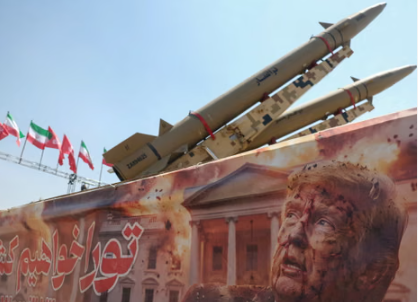
Trump Says U.S. Controls Strait of Hormuz, Links Iran Access to Future Negotiations
President Donald Trump has issued a series of forceful statements regarding ongoing tensions between the United States and Iran, declaring that the United States controls the Strait of Hormuz and asserting that nothing will reach Iran unless a negotiated agreement is reached or what he described as "total surrender" occurs.
The comments immediately drew international attention because the Strait of Hormuz is one of the world's most strategically important maritime trade routes, serving as a vital passageway for global oil and natural gas exports. According to the U.S. Energy Information Administration, roughly 20 million barrels of oil and petroleum products flow through the strait each day, accounting for approximately 20% of global oil consumption.
The statements were widely discussed after being highlighted by the X account of Cointelegraph (source post). While the remarks spread rapidly across financial and cryptocurrency communities, analysts focused primarily on the broader geopolitical implications rather than the social media discussion itself.
Trump's comments come at a time when investors continue to closely monitor diplomatic efforts, military developments, and energy market stability across the Middle East, where geopolitical events frequently influence commodity prices, inflation expectations, and global financial markets.
The Strait of Hormuz Remains Critical to Global Energy Markets
The Strait of Hormuz is widely recognized as one of the most strategically important waterways in the global economy. Located between the Persian Gulf and the Gulf of Oman, the narrow maritime corridor serves as the primary export route for crude oil, petroleum products, and liquefied natural gas produced by several major energy-exporting nations, including Saudi Arabia, the UAE, Kuwait, Iraq, and Qatar.
A significant share of internationally traded oil moves through the strait every day. Because of its strategic location, any political or military developments involving the waterway immediately attract worldwide attention from governments, financial markets, shipping companies, and energy producers. Even statements from senior political leaders can influence investor expectations regarding future supply risks.
Iran itself has periodically threatened to close the strait during past periods of heightened tensions, including during the Iran-Iraq War in the 1980s, when a series of attacks on commercial tankers became known as the "Tanker War." The United States has maintained a continuous naval presence in the region through its Fifth Fleet, headquartered in Bahrain, partly to ensure the waterway remains open.
Trump's Comments Add to Existing Geopolitical Tensions
Trump's latest remarks further intensified attention surrounding the relationship between Washington and Tehran. Although negotiations between the two countries have periodically emerged over the years, political tensions have frequently remained elevated due to disagreements involving nuclear policy, regional security, sanctions, and military activities.
The U.S. withdrew from the Joint Comprehensive Plan of Action (JCPOA), the 2015 international agreement that placed restrictions on Iran's nuclear program in exchange for sanctions relief, during Trump's first term in 2018. Since then, Iran has progressively exceeded enrichment limits set under the agreement, raising international concern about its nuclear capabilities and adding urgency to diplomatic efforts.
By linking future access to Iran with either a negotiated agreement or what he described as "total surrender," Trump introduced additional uncertainty regarding future diplomatic developments. While governments have not announced immediate policy changes following the remarks, investors continue evaluating how such statements could influence ongoing negotiations.
Markets Closely Watch Political Developments
Financial markets regularly respond to geopolitical headlines. Oil prices, currency markets, government bonds, defense stocks, precious metals, and cryptocurrencies can all experience increased volatility when major international developments occur.
Statements involving the Strait of Hormuz often receive particular attention because potential disruptions to shipping routes may affect global energy supplies. Although markets generally distinguish between rhetoric and official policy, investors remain highly sensitive to geopolitical uncertainty.
Energy Prices Often React to Middle East News
The Middle East remains one of the world's most important energy-producing regions. Consequently, developments involving Iran, Saudi Arabia, the United Arab Emirates, Iraq, Kuwait, Qatar, and nearby shipping routes frequently influence crude oil prices.
If traders anticipate increased risks to global energy supplies, oil prices often rise. Conversely, signs of successful diplomacy or reduced regional tensions may lower geopolitical risk premiums. Trump's comments therefore received immediate attention from commodity traders worldwide.
Diplomacy Versus Escalation
International observers continue watching whether diplomatic engagement or heightened political confrontation will define the next phase of U.S.-Iran relations. Diplomatic negotiations generally reduce uncertainty surrounding energy markets and regional security, while military escalation often increases market volatility.
Governments around the world continue encouraging peaceful dialogue aimed at maintaining regional stability and ensuring uninterrupted international trade. The coming weeks may provide greater clarity regarding future diplomatic efforts.
Why Investors Care About the Strait of Hormuz
Global investors monitor the Strait of Hormuz because energy prices influence nearly every sector of the world economy. Transportation costs, manufacturing expenses, shipping, electricity generation, consumer inflation, central bank policy, and corporate earnings can all be affected by sustained changes in crude oil prices.
Consequently, geopolitical developments involving major energy transit routes often receive immediate attention from financial institutions.
Global Shipping Depends on Safe Navigation
Commercial shipping companies rely upon uninterrupted access through major international waterways. The Strait of Hormuz represents one of several critical maritime chokepoints supporting international commerce, alongside others such as the Bab el-Mandeb Strait and the Suez Canal. Recent attacks on commercial vessels in the Red Sea by Houthi militants have already demonstrated how disruptions at maritime chokepoints can reroute global shipping, increase freight costs, and delay supply chains.
Governments frequently cooperate through diplomatic and security initiatives aimed at protecting international shipping lanes. Because the global economy depends upon efficient transportation networks, developments affecting these routes receive close monitoring.
Implications for Inflation and Monetary Policy
Oil prices remain an important component of global inflation. Higher energy prices can increase transportation costs and production expenses, contributing to broader consumer price inflation. Lower oil prices often ease inflationary pressures.
Central banks therefore monitor geopolitical developments involving major energy-producing regions when evaluating monetary policy. While individual political statements alone rarely determine long-term inflation trends, they may influence short-term market expectations.
Cryptocurrency Markets Also Monitor Geopolitical Risk
Digital asset investors increasingly follow geopolitical developments because macroeconomic conditions frequently influence cryptocurrency performance. Bitcoin and other digital assets often react to changes involving inflation expectations, investor risk appetite, monetary policy, and global financial uncertainty.
Although cryptocurrencies operate independently from traditional political institutions, investor behavior remains closely connected to broader economic conditions. Major geopolitical developments therefore receive attention throughout cryptocurrency markets.
International Community Watches Future Negotiations
The international community continues monitoring diplomatic communications involving Washington and Tehran. Future negotiations may influence sanctions policy, regional stability, maritime security, energy markets, and broader geopolitical relations.
Official statements from governments, international organizations, and diplomatic representatives will likely remain closely scrutinized by investors and policymakers. Although uncertainty persists, markets generally favor developments supporting peaceful diplomatic engagement.
Analysts Urge Investors to Focus on Confirmed Policy
Market analysts caution against interpreting political statements as immediate policy changes. Official government actions, legislative decisions, diplomatic agreements, military deployments, and formal sanctions typically have greater long-term market impact than individual public comments.
Nevertheless, statements from senior government leaders often shape investor expectations and market sentiment in the short term. For that reason, financial institutions continue monitoring developments surrounding the Strait of Hormuz very closely.
Looking Ahead
President Donald Trump's remarks asserting that the United States controls the Strait of Hormuz and linking future access to Iran with either a negotiated agreement or what he described as "total surrender" have renewed international attention on one of the world's most strategically important maritime corridors.
While no immediate policy changes have been formally announced, the comments underscore the continuing importance of U.S.-Iran relations for global energy markets, international shipping, inflation expectations, and financial market stability. Investors, governments, and businesses worldwide will continue monitoring diplomatic developments, official policy announcements, and regional security conditions in the coming weeks.
As geopolitical uncertainty remains elevated, the Strait of Hormuz is likely to remain a central focus for energy markets and international economic discussions. Whether future developments lead to renewed negotiations or continued political tensions, the situation will remain highly significant for global commodity markets, international trade, and broader investor sentiment.

