Trump Conditions U.S.-Saudi Civil Nuclear Deal on Abraham Accords Membership
Key Takeaways
- •Trump said approval of the U.S.-Saudi civil nuclear deal depends on Saudi Arabia joining the Abraham Accords.
- •Saudi Arabia has not joined the Abraham Accords and has linked normalization with Israel to Palestinian statehood guarantees.
- •The proposed nuclear agreement would prohibit enrichment of nuclear material and apply only to non-military use.
- •The deal has faced concern in Congress over proliferation risks and potential weapons capability expansion.
- •Saudi Arabia’s civilian nuclear ambitions are part of Vision 2030 and are influenced by regional nuclear developments involving Iran.
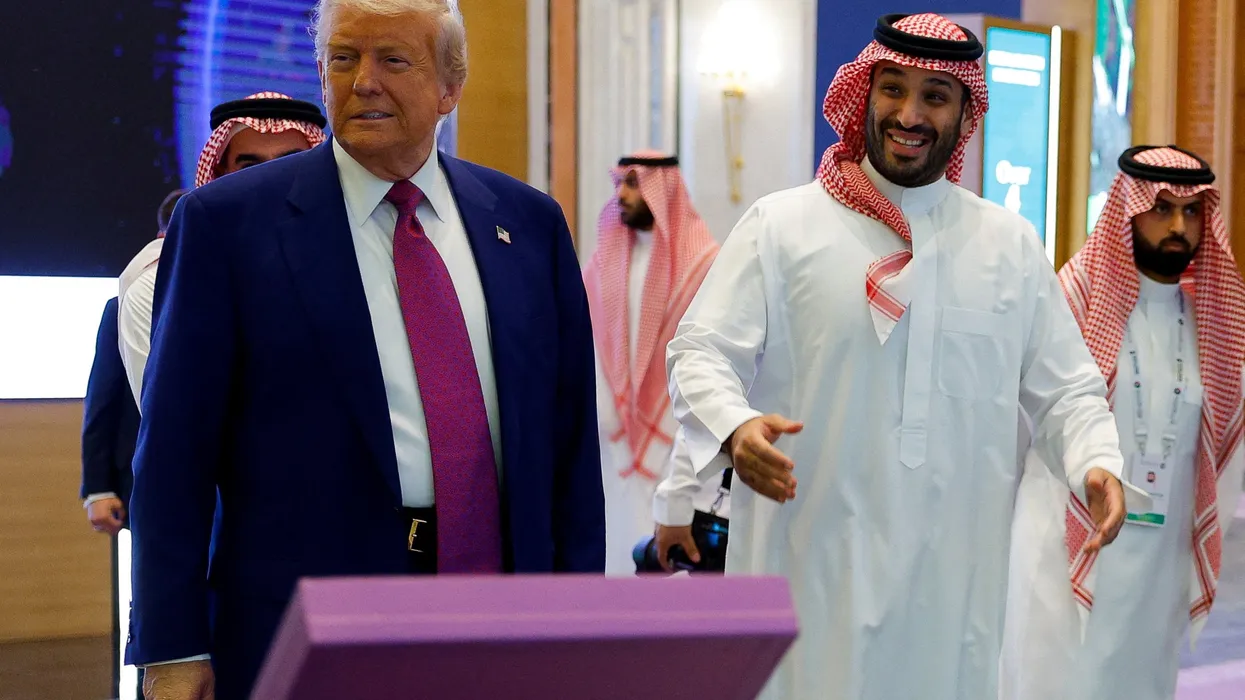
President Donald Trump has introduced an unexpected new condition into a reportedly finalized civil nuclear cooperation agreement between the United States and Saudi Arabia, demanding that the kingdom normalize relations with Israel and join the Abraham Accords before receiving U.S. nuclear technology.
According to The Washington Post, the condition was added to what had been described as a completed agreement, throwing the pact into uncertainty.
Trump announced the stipulation via Truth Social, stating: "The Civil Nuclear Deal (There will be no enrichment of material!) being made between the United States Department of Energy and Saudi Arabia, which pertains only to non-military use such as the ones that Iran and UAE (and others) already have, will be approved, but is totally subject to Saudi Arabia joining the very respected and successful Abraham Accords."
The move has thrown the entire agreement into chaos, as Saudi Arabia has consistently refused to join the Abraham Accords without a guarantee of Palestinian statehood, according to the Middle East Institute.
The Abraham Accords, brokered in 2020 under the first Trump administration, normalized diplomatic relations between Israel and several Arab states, including the United Arab Emirates and Bahrain. Saudi Arabia has not joined the framework.
Saudi leaders had pursued normalization with Israel prior to the October 7 Hamas attack, but talks have since stalled, the Middle East Institute report added.
The nuclear deal itself has generated controversy in the U.S. Congress over proliferation risks and concerns about weapons capability expansion. Civil nuclear cooperation agreements, governed under Section 123 of the U.S. Atomic Energy Act, establish the terms under which the United States can export nuclear material, equipment, and technology to partner nations. Once submitted to Congress, such agreements are subject to a review period before entering into force. The proposed deal with Saudi Arabia stipulates that there will be no enrichment of nuclear material, a constraint intended to address concerns that domestic enrichment capability could be redirected toward weapons development.
Saudi Arabia's push for nuclear energy is also shaped by regional dynamics, with Iranian nuclear advances long cited as a factor driving Gulf states' interest in comparable civilian programs. Riyadh has previously signaled it would seek to match any weaponization of nuclear technology in the region.
The kingdom has long sought to develop a civilian nuclear energy program as part of its Vision 2030 economic diversification initiative, aimed at reducing domestic reliance on oil for electricity generation.

