Trump Administration Scrambles to Rebuild Election Security Apparatus It Dismantled, Officials Say It's Too Late
Key Takeaways
- •The Trump administration dismantled CISA's election security infrastructure after returning to office, angered by the agency's affirmation that the 2020 election was secure.
- •With fewer than 100 days before the midterm elections, the administration is now attempting to rebuild election security capabilities from scratch.
- •CISA has been largely dormant since its director was dismissed in February 2025, followed by 176 additional DHS employee terminations in October 2025.
- •Former CISA official Geoff Hale warns that a 14-to-18-month intelligence gap has created a critical vulnerability that cannot be remedied before the midterms.
- •CISA has documented a significant increase in cyber threats targeting programmable logic controllers used in U.S. water and wastewater systems despite severe staffing reductions.
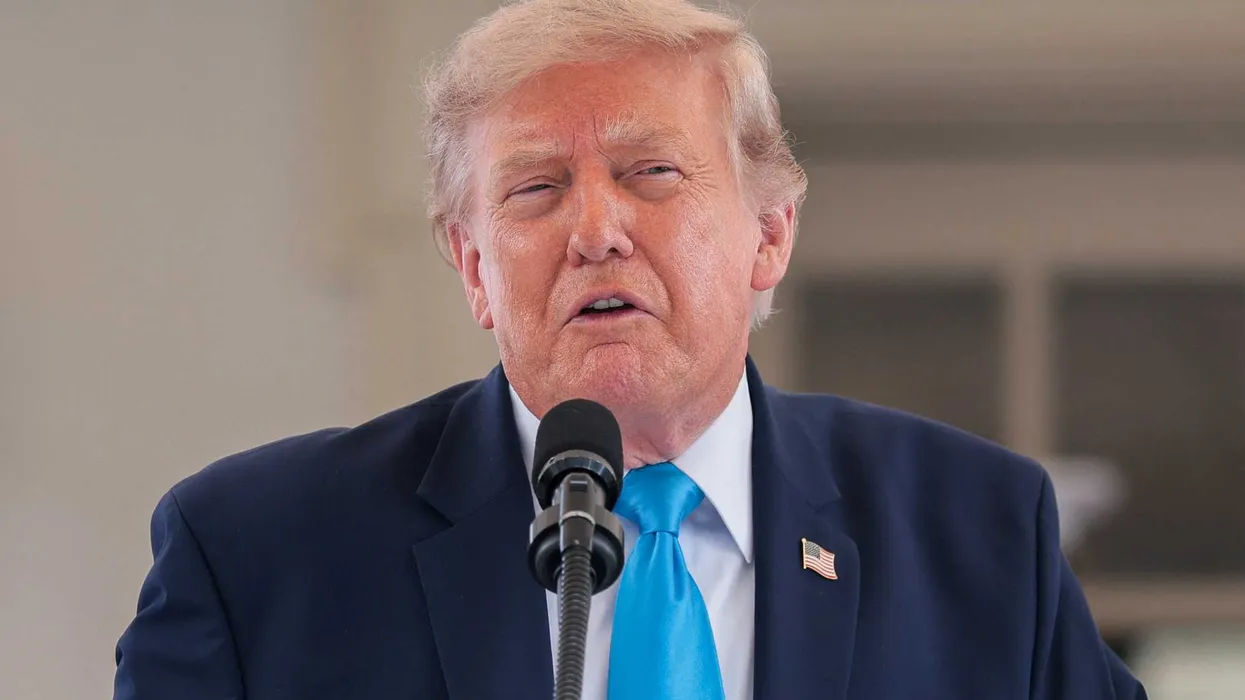
President Donald Trump's administration dismantled the federal election security infrastructure upon entering the White House last year. Now, with fewer than 100 days remaining before the midterm elections, the administration is seeking to rebuild what it tore down. Election officials are warning that the effort comes far too late — with one official telling CNN that all that remains to protect elections is "duct tape."
CNN cybersecurity reporter Sean Lyngaas described the situation as "ironic," noting that the first Trump administration had "built a large federal apparatus for supporting election officials." CISA was elevated to a standalone agency within DHS in 2018 under Trump's first term, created in the aftermath of Russian interference efforts during the 2016 election. That infrastructure included cybersecurity support, physical security assessments of election facilities, and intelligence-sharing on emerging threats from the intelligence community. Because U.S. elections are administered by thousands of state and local jurisdictions of varying sizes and resources, CISA's voluntary services — from vulnerability scanning to incident response planning — have been a critical layer of support for under-resourced election offices.
However, when Trump returned to office, he remained angered at the Department of Homeland Security's Cybersecurity and Infrastructure Security Agency (CISA) for having affirmed that the 2020 election was secure. In response, he dismissed most of the agency's election security experts, Lyngaas explained.
In a prime-time address on July 16, Trump claimed that the 2020 election he oversaw was flawed and alleged that China had interfered in it.
The administration now intends to rebuild the cyber agency, as Lyngaas put it, "starting from scratch." He added that officials "make the point that they want to rebuild trust with election officials, trust that has been severely damaged by their actions in the last year."
Geoff Hale, a former election security official at CISA, emphasized that the window for effective action has largely closed. "We are well into the election cycle. It is not simply about Election Day. Election Day is not when the Russians started in 2016. It is not when the Iranians started in 2020... People should be realizing we have a gap of information of 14 to 18 months," Hale said.
CISA has been largely dormant since Trump fired the agency's director in February 2025. In October 2025, an additional 176 DHS employees were dismissed, many of whom worked for CISA, The Hill reported.
"So, this whole federal bureaucracy has been dormant," Lyngaas continued. "Not really connecting with election officials. And now they're scrambling to do so with less than 100 days to go to the midterm elections."
Despite the drastic staffing reductions, CISA retains some personnel. A press release issued this week revealed that the agency has documented "a significant increase in cyber threats" targeting programmable logic controllers (PLCs) used in Water and Wastewater Systems (WWS) across the United States.

