Analyst says Trump faces a reckoning as his political reach narrows
Key Takeaways
- •The Atlantic’s Jonathan Lemire said the Iran war has lasted five months, with U.S. casualties rising, weapons stocks falling and gas prices increasing again.
- •Trump is receiving mixed advice from aides on the Iran conflict, with some urging escalation and others advising withdrawal.
- •Republicans have refused Trump’s request to end the filibuster for the SAVE Act, showing that he cannot always secure the legislative support he wants.
- •Lemire said Trump’s approval ratings are falling and that he is facing small but notable resistance from Republicans.
- •After the midterms, Trump could become a lame duck and face reduced political centrality as attention shifts to the 2028 presidential campaign.
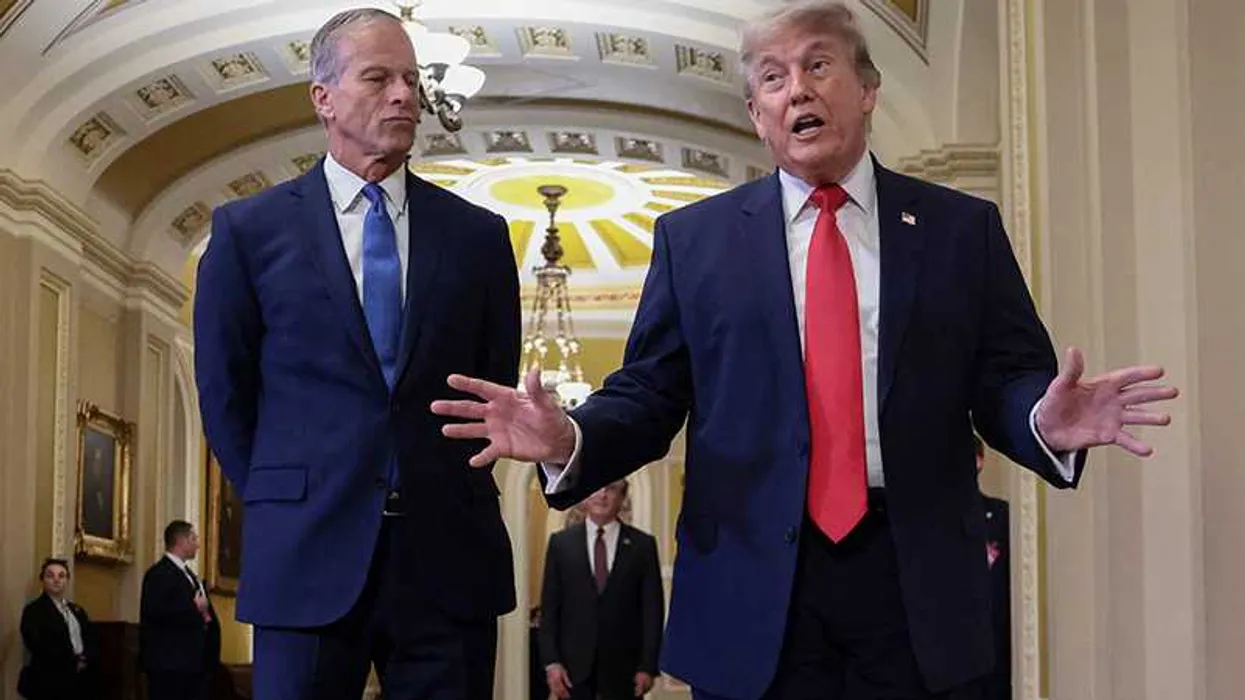
President Donald Trump cannot run for a third term in the 2028 presidential election, has failed to persuade the Senate to do all of his bidding, and is losing parts of the political base that once backed him strongly. Now, a political analyst has offered a familiar explanation for that shift: the passage of time and the limits that come with it.
“Recent months have delivered a reckoning for Trump, who has crashed hard against some real limits,” The Atlantic’s Jonathan Lemire wrote on Tuesday. Lemire said the war in Iran, which Trump had once believed would last only a few weeks, reached the five-month mark on Tuesday. He wrote that the U.S. casualty count is rising, weapons stockpiles are running low, and gas prices are again increasing. Trump, Lemire said, badly wants the war to end and is receiving mixed advice from his aides, with some urging escalation and others advising him to withdraw. Lemire added that Trump has become the latest U.S. president to be humiliated by hard-liners in Tehran.
Lemire also said Trump is struggling domestically, where approval ratings have fallen and Republicans have begun, in small ways, to resist him. Trump has demanded that the Senate eliminate the filibuster in order to pass the SAVE Act, which would make voting more difficult and require voters to provide proof of citizenship. Republicans, however, have refused, underscoring that even with his party in power, Trump does not always get the legislative support he wants.
Beyond Trump’s declining popularity on issues such as the war and his focus on the 2020 election “Big Lie,” Lemire argued that Trump is also encountering a more basic political reality: he is nearing the end of his second term and, with it, the end of his political centrality.
“Once the midterms are over, Trump could face his worst fear: irrelevance,” Lemire wrote. “He will be a lame duck, down to his final two years in office, and at some point will no longer be the nation’s top topic of conversation. As focus shifts to the presidential primaries, Trump risks disappearing from the headlines. Even some of his closest allies don’t know how he’ll react.”
Lemire said that dynamic could make Trump unpredictable, since he is unlikely to accept the normal lame-duck status that comes after a president’s party passes the midterms of a second term.
“But even those in Trump’s inner circle aren’t sure what to expect if people start talking about him less,” Lemire wrote. “The political calendar is relentless: Once the midterms clear, Washington will turn its focus to the 2028 presidential campaign. With no incumbent in the race and no clear front-runner in either party, it will be as wide-open as any race in decades. Trump may no longer be among each day’s top stories—arguably for the first time since he came down the Trump Tower escalator more than a decade ago.”
Lemire concluded that Trump will not simply disappear from public life. He said Trump will still seek to act as a GOP kingmaker and will remain commander in chief. But he will also be facing life as a private citizen again, with his businesses and family potentially exposed to questions from a future Democratic president’s Department of Justice.
Lemire pointed to Trump’s widely criticized speech at last week’s White House Correspondents’ Dinner as a possible preview of that future, saying his grievances were met mostly with silence. He also wrote that some of Trump’s allies have privately begun to wonder how he will handle a diminished role, adding that no one expects him to take it well.

