Trump's Second-Term Corruption Creates 'Obvious Target' for Democrats, Analyst Argues
Key Takeaways
- •Financial disclosures indicate President Trump generated over $2 billion during his first year back in office, primarily through his family's cryptocurrency ventures such as World Liberty Financial and meme coin offerings.
- •Major corporations including Apple, Meta, and Microsoft have each donated at least $10 million to Trump-affiliated projects, and lobbyists have been asked to raise $50 million or more from clients.
- •A CNN/SSRS poll found that 41% of respondents most associate the GOP with corruption, while 31% named Democrats and 25% cited both parties.
- •Democratic candidates including Senator Jon Ossoff and Texas state Senator James Talarico are emphasizing anti-corruption themes in their campaigns, though polling suggests the issue may be harder to leverage than expected.
- •Downie contends that Democrats must follow through on ethics and campaign finance reform legislation if they return to power, noting broad bipartisan public support for such measures.
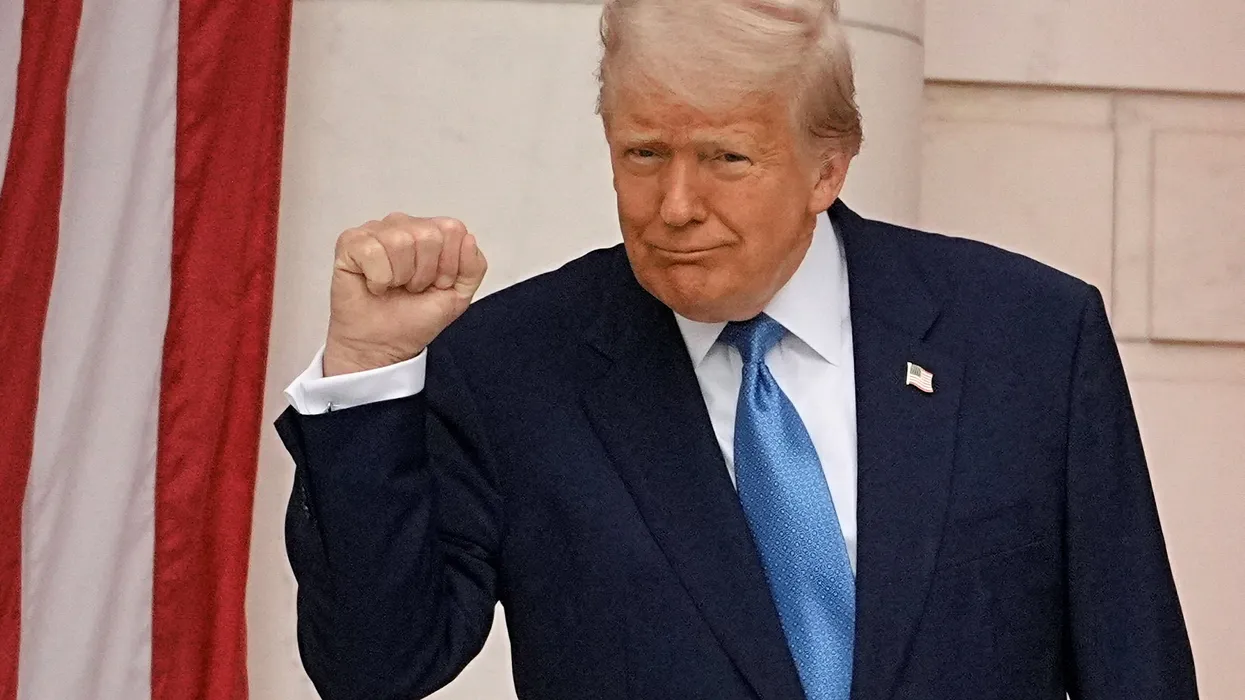
Reporter James Downie, writing for MS NOW, argued Monday that President Donald Trump's overt corruption during his second term has created the most "obvious target" for political opponents to exploit.
Despite campaigning heavily on "draining the swamp" of government corruption, Trump's second term has become one of the most self-serving presidencies in the nation's history, Downie wrote. The president reportedly keeps close track of which companies contribute to his presidential library, ballroom, political action committees, and other entities. Major corporations including Apple, Meta, and Microsoft have each donated at least $10 million. According to a Wall Street Journal report, "Several top Washington lobbyists have been asked to raise $50 million or more, including from their clients, for Trump projects." The solicitation pattern marks a departure from norms established under prior administrations of both parties, which generally maintained formal separation between policy deliberations and presidential fundraising for personal or legacy projects.
Recent financial disclosures revealed that Trump pulled in over $2 billion during his first year back in office. The majority of that revenue came from his family's cryptocurrency ventures, which Downie identified as the epicenter of his most corrupt dealings as president. The Trump family's crypto operations, including the World Liberty Financial platform and meme coin offerings, have drawn scrutiny from ethics watchdogs because they create direct financial channels from undisclosed purchasers — potentially including foreign actors — to the sitting president's family. The cryptocurrency industry, meanwhile, has concurrently lobbied the administration for lighter regulatory treatment under the SEC and other agencies.
Downie contended that by conducting this activity in broad daylight, Trump has placed a clear target on himself for Democrats, particularly given recent polling that shows voters' deep distaste for political corruption.
"This 'Trump Transaction Tax,' as one Wall Street analyst called it, as well as his crypto profiteering, his plane from Qatar, the 'anti-weaponization fund' and the many other money-grabbing acts of his second term make his corruption an obvious target for Democrats this fall and beyond," Downie wrote. "Even under far cleaner administrations, investigating corruption can be a powerful weapon for legislators from the opposition party. But in this case, Democrats can contrast what Trump promised to what he's done."
Downie added that the president "has abandoned even the pretense of ridding Washington of corruption." He noted that Democratic candidates such as Senator Jon Ossoff of Georgia and Texas state Senator James Talarico, who is running for the U.S. Senate, appear to be gaining traction with campaigns that heavily emphasize fighting corruption. However, Downie acknowledged that recent polls suggest running on corruption may prove more difficult than many Democrats anticipate.
A recent CNN/SSRS poll found that "a plurality of respondents (41 percent) most associated the GOP with corruption, but 31 percent said Democrats and a quarter said both parties." The findings also indicated "extraordinary bipartisan support for ethics and campaign finance reforms," with voters blaming both parties for the lack of legislative action. That appetite for reform comes after years of stalled congressional ethics legislation, including disclosure requirements for presidential and judicial candidates that have repeatedly failed to advance despite bipartisan public support.
Downie stressed that Democrats must be prepared to act against corruption if they regain power. "That makes it even more imperative that Democrats not just run on finally addressing this longstanding frustration but actually follow through on their promises," he concluded. "The party that believes in government's ability to solve problems has more to lose when voters believe that government is corrupted."

