Southern Copper, Newmont Lead Top U.S. Miners as Metals Prices Lift Results
Key Takeaways
- •Southern Copper’s net income rose 28% to $4.33 billion and sales increased 17% to $13.4 billion as stronger metal prices and higher by-product production lifted results.
- •The company plans to invest about $20.5 billion over the next decade to raise annual copper production to 1.6 million tonnes by 2033, with Tía María in Peru expected to begin first production in the second half of 2027.
- •Newmont generated $7.3 billion in free cash flow, cut debt by $3.4 billion and returned $3.4 billion to shareholders after completing major asset sales tied to its portfolio review.
- •Freeport-McMoRan’s Grasberg mine suffered a fatal mud flow in September 2025, and the company lowered 2026 copper and gold sales guidance after a slower recovery than expected.
- •Alcoa’s 2025 net income jumped to $1.2 billion from $60 million a year earlier, and it later announced a $4.7 billion plan to buy South32 assets in a move to expand capacity.
Rising metals prices helped global miners Southern Copper (NYSE: SCCO), Newmont (NYSE: NEM) and Freeport-McMoRan (NYSE: FCX) widen their lead over U.S. peers in both market capitalization and earnings, underscoring how commodity exposure can shape results across the sector even as company-specific project, portfolio and operating issues remain front and center.
Southern Copper reported record financial results while continuing to advance long-term copper growth projects in Peru and Mexico. Net income increased 28% to $4.33 billion (C$6.07 billion), supported by stronger copper, silver, molybdenum and zinc prices as well as higher by-product production, while sales rose 17% to $13.4 billion.
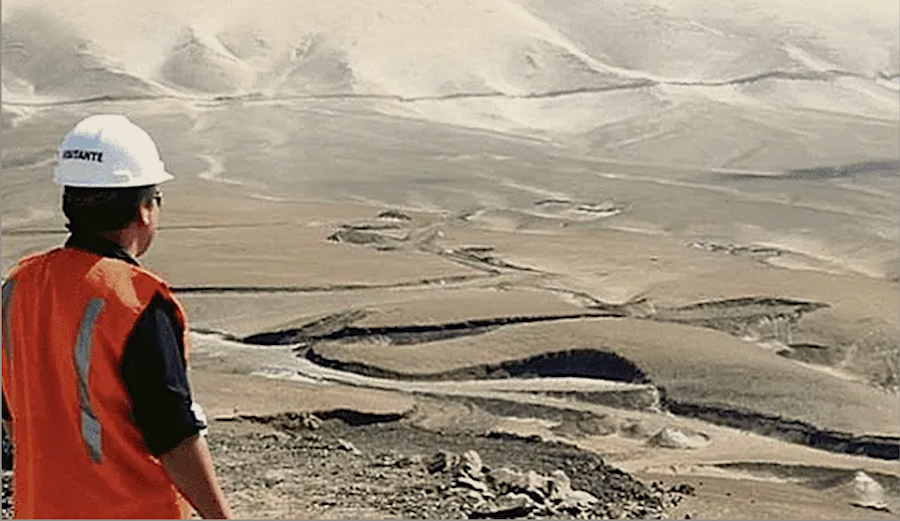
The Grupo Mexico unit plans to invest about $20.5 billion over the next decade as part of a strategy to lift annual copper production to 1.6 million tonnes by 2033. A major part of that expansion is the $1.8-billion Tía María copper project in Peru, a decade-long project that has faced controversy. Peru reauthorized the project’s mining permit this year after authorities had earlier required a fresh review.
By the end of April, Southern Copper said Tía María was about one-third complete, with first production targeted for the second half of 2027. The mine is expected to produce 120,000 tonnes of copper a year from 2028.
Newcrest takeover
Newmont’s recent performance has centered on portfolio optimization following its 2023 purchase of Newcrest. The world’s largest gold miner recently completed a broad divestiture program, generating about $4.3 billion in gross proceeds from the sale of non-core assets such as the Musselwhite, Éléonore and Porcupine mines in Canada. In September, the company also sold its stake in Orla Mining to help fund core operations.
Denver-based Newmont posted record financial results in 2025, producing 5.89 million attributable gold ounces. Higher gold prices helped push net income to $7.1 billion, more than double the prior year.
Newmont generated $7.3 billion in free cash flow, reduced debt by $3.4 billion, returned $3.4 billion to shareholders through dividends and share repurchases, and ended the year with net cash.
The year also brought major leadership and organizational changes. Long-time CEO Tom Palmer retired at the end of December, with former chief operating officer Natascha Viljoen taking over. Newmont also completed a broad restructuring tied to the Newcrest integration, cutting its workforce by about 16% under its Project Catalyst initiative to streamline operations and improve productivity.
Grasberg suspension
Operational problems weighed on Freeport-McMoRan’s year. A catastrophic mud flow at the company’s Grasberg mine in Indonesia in September 2025 killed seven workers and forced mining to be suspended in parts of the operation.
Attributable net income rose 17% to $2.2 billion, supported by strong copper fundamentals and ongoing investment in growth projects, while revenue increased 1.8% to $25.9 billion. Capital expenditures remained elevated as Freeport advanced underground mining, leaching initiatives in the United States and downstream processing facilities in Indonesia.
Throughout 2026, Freeport has focused on safely restarting production at Grasberg. A slower-than-expected recovery led the company in April to lower its 2026 copper and gold sales guidance. Even so, management reiterated its long-term outlook, pointing to growing copper demand from electrification, power infrastructure and artificial intelligence-related data centres.
New mills
A difficult North American steel market led Nucor (NYSE: NUE) to report a 14% decline in annual profit. Net income fell to $1.7 billion amid margin compression at the company’s sheet steel mills and scheduled outages in the raw materials business. Sales still rose 6% to $32.5 billion as new mills and downstream facilities supported production.
Royal Gold (Nasdaq: STLD) completed its acquisition of Sandstorm Gold and Horizon Copper last year, adding new streams and royalties and broadening its exposure to producing and development-stage assets.
Attributable net income reached a record $466.3 million, while revenue jumped 44% to $1.03 billion. Royal Gold also increased its annual dividend for the 25th consecutive year.
Several assets in Royal Gold’s portfolio advanced. Centerra Gold’s (TSX: CG; NYSE: CGAU) Mount Milligan operation in British Columbia benefited from an updated mine plan that extends its life to 2045, while assets such as Barrick Mining’s (TSX: ABX; NYSE: B) Pueblo Viejo and Newmont’s Peñasquito supported growth in attributable metal sales.
Aluminum
Alcoa (NYSE: AA) posted a sharp turnaround in 2025, with revenue rising 8% to $12.8 billion and net income surging to $1.2 billion from $60 million in 2024. The improvement reflected higher aluminum prices, stronger operating performance and better production at several facilities.
The past year also brought several strategic transactions. Alcoa sold its interest in the Ma’aden joint venture in Saudi Arabia, formed a new partnership with IGNIS Energy Holdings to support the San Ciprián aluminum complex in Spain, and permanently closed the Kwinana alumina refinery in Australia after concluding that the facility was no longer economically viable.
Deal-making continued into 2026. In late June, Alcoa announced plans to acquire bauxite, alumina and aluminum assets from Australia’s South32 (ASX, LSE: S32) in a transaction valued at about $4.7 billion including debt, a move aimed at expanding its upstream resource base and increasing alumina and aluminum capacity.

