Sąd w Seulu nakazuje Pjongjangowi wypłatę odszkodowania uciekinierce z Korei Północnej za tortury
Najważniejsze informacje
- •Sąd Okręgowy w Seulu orzekł, że Korea Północna musi wypłacić odszkodowanie uciekinierce Choi Min-kyung, która w lipcu 2025 roku wniosła pozew, domagając się 50 mln wonów (36 300 USD).
- •Choi powiedziała, że po ucieczce w 1997 roku została przymusowo odesłana z Chin w 2008 roku i przez około pięć miesięcy w północnokoreańskich ośrodkach detencyjnych była poddawana przemocy seksualnej, pobiciom i nieludzkiemu traktowaniu.
- •Jej argument prawny opierał się na tym, że konstytucja Korei Południowej uznaje cały Półwysep Koreański za jej terytorium i traktuje mieszkańców północy jako obywateli Korei Południowej, co jej zdaniem umożliwia pozywanie Pjongjangu przed południowokoreańskimi sądami.
- •Postępowanie odbyło się bez udziału jakiegokolwiek przedstawiciela strony północnokoreańskiej.
- •Mimo korzystnego wyroku powódka prawdopodobnie będzie miała trudności z faktycznym odzyskaniem odszkodowania, podobnie jak w wcześniejszych sprawach cywilnych przeciwko Korei Północnej.
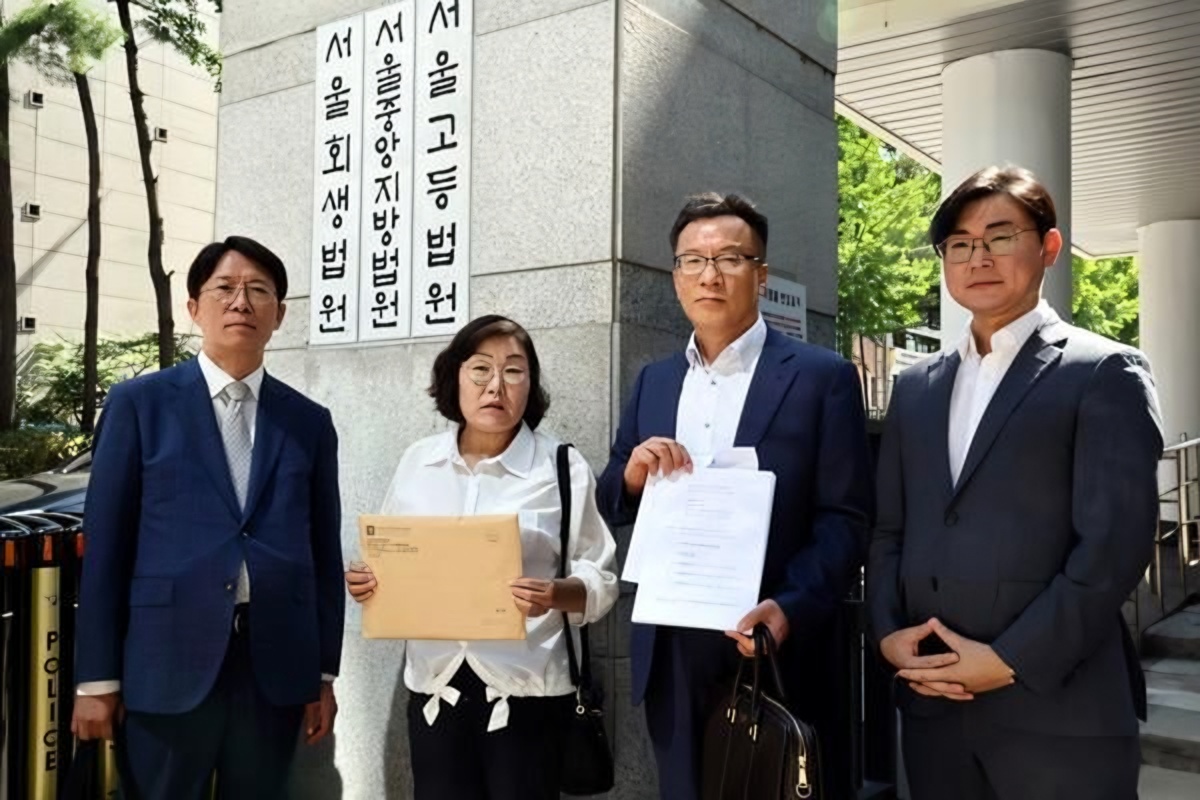
A South Korean court ruled Friday that North Korea must compensate a North Korean defector who says she was tortured while detained in the North.
The Seoul Central District Court issued the ruling in a lawsuit filed in July 2025 by Choi Min-kyung, head of the North Korea Imprisonment Victims' Family Association, against the Pyongyang regime. She sought 50 million won ($36,300) in damages for her suffering.
According to Choi, she defected from North Korea in 1997 but was forcibly repatriated in 2008 while staying in China. During roughly five months in detention facilities in the North, she said she suffered human rights violations including sexual abuse, physical violence and inhumane treatment.
Choi has argued that litigation against North Korea is possible in South Korean courts, citing the South Korean Constitution's definition of the entire Korean Peninsula as its territory and its recognition of people in the North as South Korean citizens. The case also highlights how South Korean courts can still hear claims tied to alleged abuses in North Korea even when the defendant side does not appear, leaving the judgment important as a legal finding even if collection remains uncertain.
The court hearings proceeded without any party representing the defendants.
Despite winning the case, the plaintiff may find it difficult to actually receive the compensation, as has been the case in previous civil lawsuits filed against North Korea.
Source: The Korea Times

